8 Sustainable Green Wedding Ideas for Eco Conscious Couples
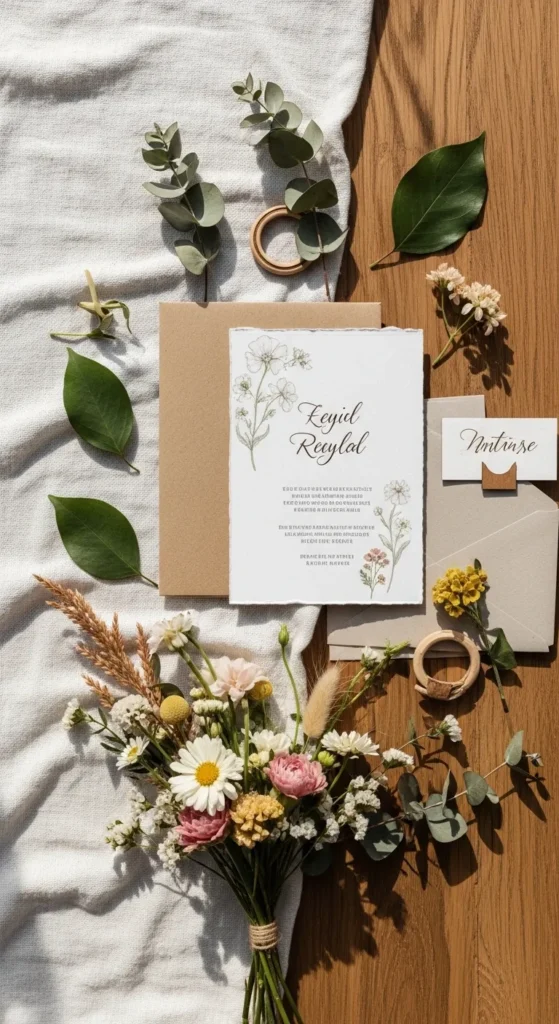
A sustainable wedding is not a compromise. It is not a list of things you cannot have or a series of substitutions that leave the celebration feeling smaller than it should. It is a set of deliberate, intelligent choices that make the wedding more beautiful, more personal, and more genuinely meaningful — because every element of it was chosen with care not just for the couple but for the world the couple is entering together. These 8 sustainable green wedding ideas prove that an eco-conscious celebration can be every bit as stunning, as joyful, and as genuinely unforgettable as any other. Perhaps more so.
1. Choose a Venue With Natural Beauty
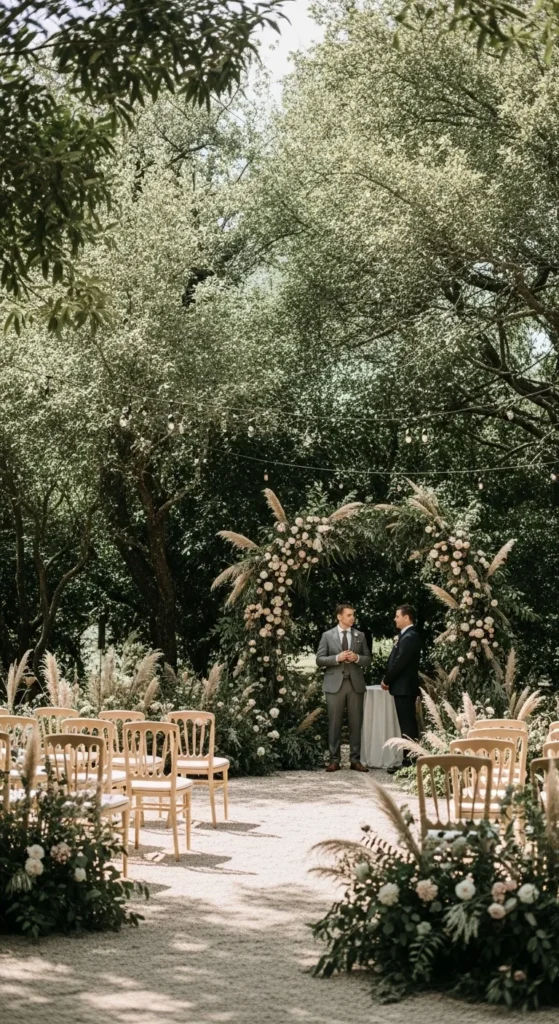
The most sustainable wedding venue is the one that needs the least decoration — and the one that needs the least decoration is almost always the one with the most genuine natural beauty. A woodland clearing, a working farm, a private garden, a coastal headland, a vineyard in full season. These venues do the decorative work that manufactured event spaces require thousands of pounds of styling to achieve — and they do it for free, simply by existing.
Choosing a venue with genuine natural beauty also reduces transport emissions significantly — when the venue is close to where the couple and their guests live, the carbon cost of the celebration drops dramatically without any additional effort or planning.
Key Detail: Look for venues that operate sustainably themselves — solar power, rainwater harvesting, composting, locally sourced catering. A venue that shares the couple’s values makes every sustainable choice easier and more cohesive throughout the entire day.
2. Seasonal and Local Flowers Only
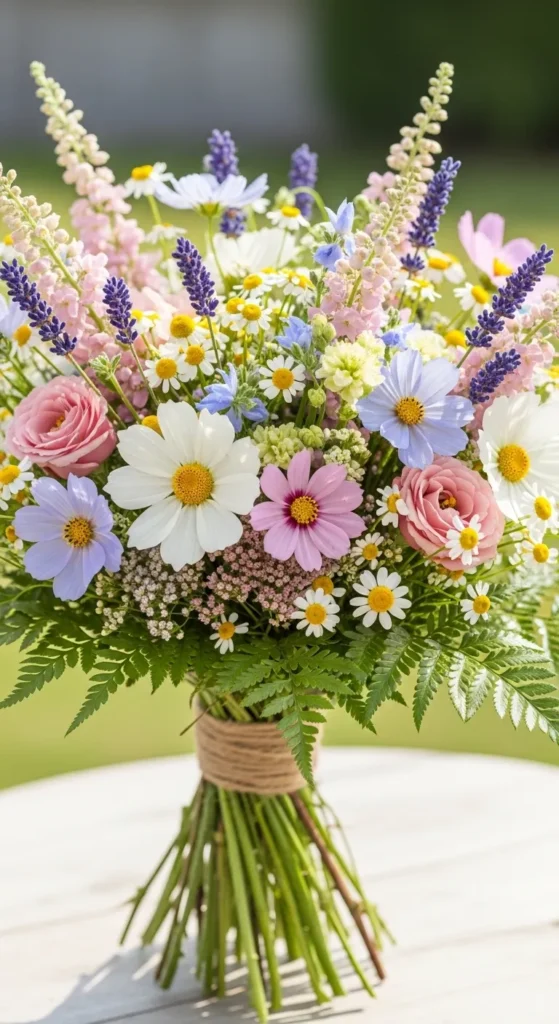
The cut flower industry is one of the most carbon-intensive supply chains in the world — most commercially sold flowers are flown from Kenya, Colombia, or the Netherlands, refrigerated throughout their journey, and treated with significant quantities of pesticides before reaching a florist. Choosing seasonal, locally grown flowers instead is one of the most impactful sustainable wedding choices available.
Seasonal local flowers are not a compromise in beauty — they are the opposite. A late summer bouquet of locally grown dahlias, sweet peas, and scabiosa from a flower farm thirty miles away is more beautiful, more fragrant, more genuinely alive, and more personally meaningful than the same quantity of imported roses that have spent four days in refrigerated transport before reaching the wedding.
Key Detail: Find a local flower farm or a florist who works exclusively with British or locally grown seasonal flowers. Book early — sustainable flower supplies are finite and book quickly for popular wedding dates. Ask about growing practices and prioritise growers who work without pesticides or with minimal intervention.
Explore modern wedding inspiration in 10 Wedding Dress Trends Every Bride Needs to Know.
3. A Plant-Based or Locally Sourced Menu
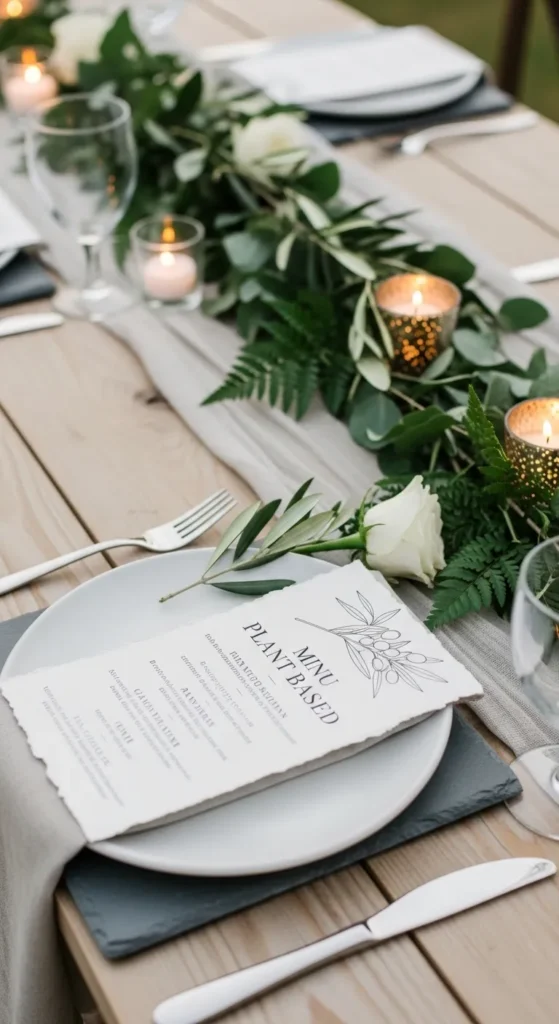
Food is the largest single source of carbon emissions at most weddings — and a plant-based or predominantly plant-based menu reduces the carbon footprint of the reception more significantly than almost any other single sustainable choice. A genuinely excellent plant-based wedding menu is not a series of substitutions — it is a celebration of the most beautiful seasonal vegetables, grains, and plant proteins available, cooked with genuine skill and served with genuine pride.
For couples who want to include meat, locally and ethically sourced is always the most sustainable choice — a single dish of genuinely excellent locally raised meat served as a centrepiece is always more beautiful and more sustainable than a menu built around imported protein at every course.
Key Detail: Work with a caterer who genuinely believes in plant-based cooking rather than one who treats it as an afterthought. The difference in quality between a caterer who loves vegetables and one who tolerates them is enormous — and the menu will reflect it completely.
4. Zero Single-Use Plastic Throughout
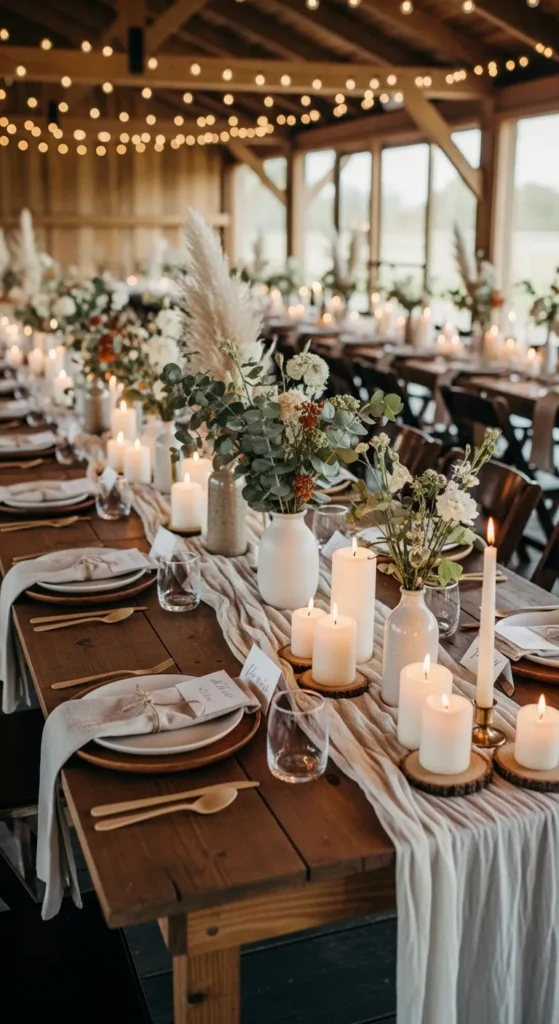
Single-use plastic at a wedding — plastic straws, plastic stirrers, plastic packaging on favours, synthetic ribbon, non-recyclable table decorations — is the most straightforwardly avoidable source of environmental harm available in wedding planning. Eliminating it entirely requires no sacrifice of beauty and very little additional planning.
Replace plastic straws with paper, bamboo, or metal alternatives. Use genuine fabric ribbon rather than synthetic. Choose candles made from beeswax or soy rather than paraffin. Package favours in recycled paper or natural fabric. Use genuine crockery, glassware, and silverware for every element of the catering rather than disposable alternatives.
Key Detail: Brief every supplier — the caterer, the florist, the stationer, the venue — on the zero single-use plastic requirement at the earliest possible stage of planning. Sustainable suppliers will already be working this way. Suppliers who push back may not be the right fit for a genuinely eco-conscious celebration.
5. Wildflower Seed Packet Favours
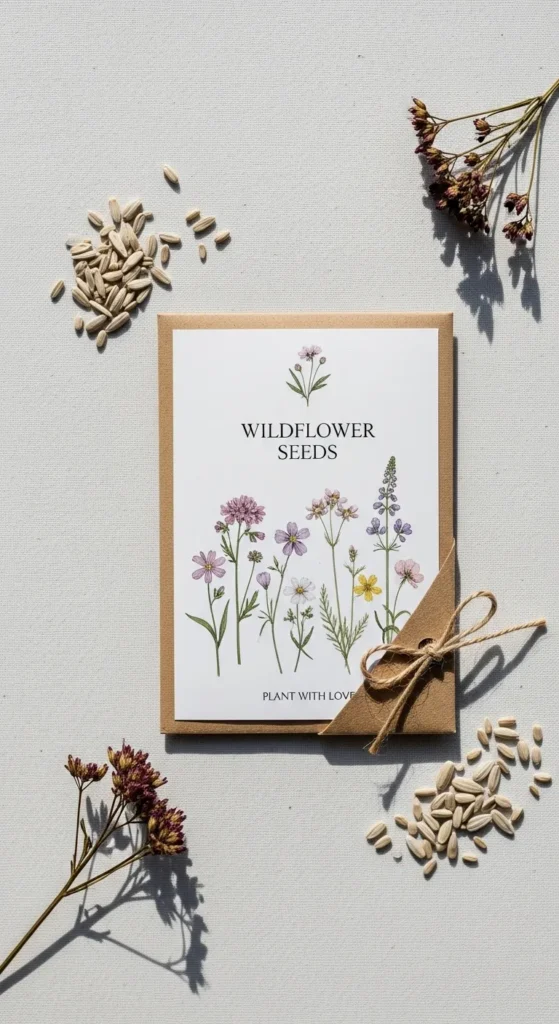
The wedding favour that gives back to the natural world rather than adding to landfill is one of the most genuinely thoughtful and most beautifully appropriate choices available for an eco-conscious couple. A small packet of wildflower seeds — native species chosen to support pollinators, packaged in a simple recycled paper envelope with the couple’s names and wedding date — costs almost nothing, produces almost no waste, and creates something genuinely living and genuinely beautiful every time a guest plants them.
Wildflower seed packets also communicate something important about the couple — they chose a favour that grows, that lives, that contributes to the natural world rather than sitting unused in a drawer. That intention is one of the most genuinely meaningful things a wedding favour can express.
Key Detail: Choose native wildflower seed mixes specifically formulated to support local pollinators — bees, butterflies, and moths. Include a small printed card with planting instructions and the names of the flowers in the mix. Source from a British seed supplier who grows and packages sustainably.
6. A Second-Hand or Borrowed Wedding Dress
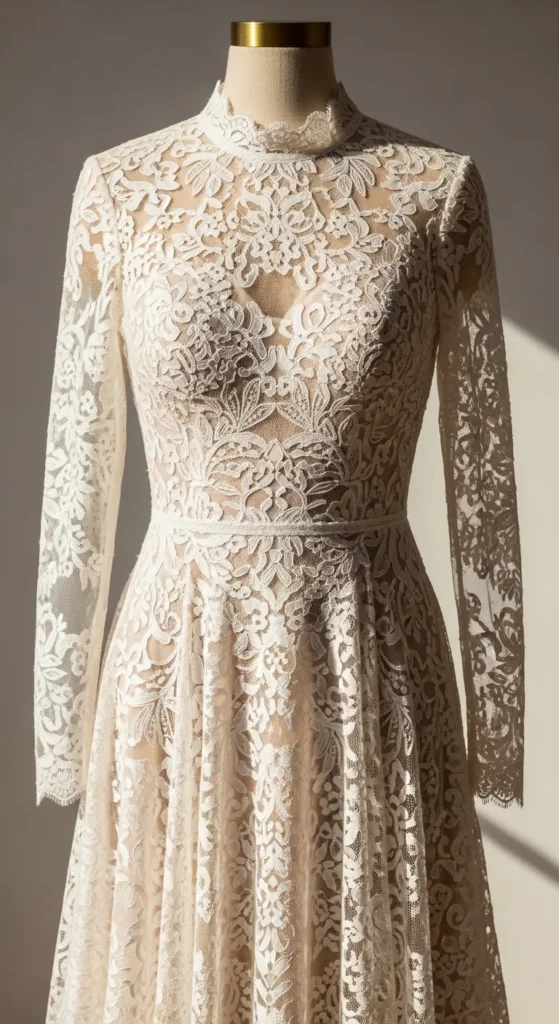
The wedding dress is the single most resource-intensive garment most women will ever purchase — and it is typically worn once, stored for decades, and eventually donated or discarded. Choosing a second-hand, vintage, or borrowed wedding dress is one of the most genuinely sustainable choices available — and the most beautiful wedding dresses in existence are often the vintage ones, with a quality of fabric and construction that contemporary mass-market alternatives cannot match.
A second-hand dress also carries a story — a history of another wedding, another love, another beginning — and wearing it adds a layer of meaning and connection to the past that a brand new dress purchased from a catalogue simply cannot possess.
Key Detail: Begin searching early — vintage and second-hand wedding dresses in specific sizes and styles require time to source. Specialist vintage bridal boutiques, online resale platforms, and family heirlooms are all genuinely excellent sources. Budget for alterations — a second-hand dress almost always requires tailoring to fit perfectly.
Discover fresh seasonal inspiration in 12 Spring Wedding Dresses That Feel Fresh and Romantic.
7. Digital Invitations or Recycled Paper Stationery
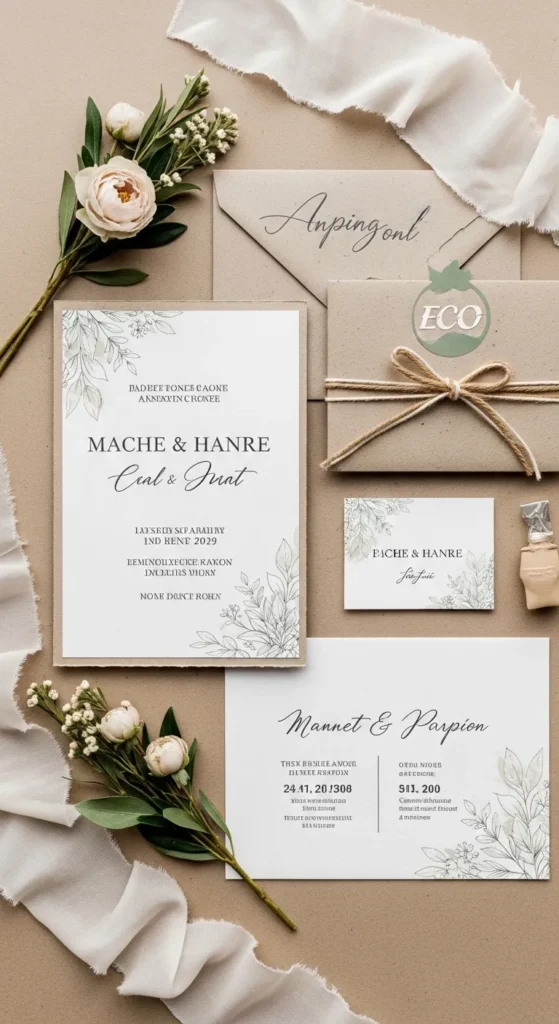
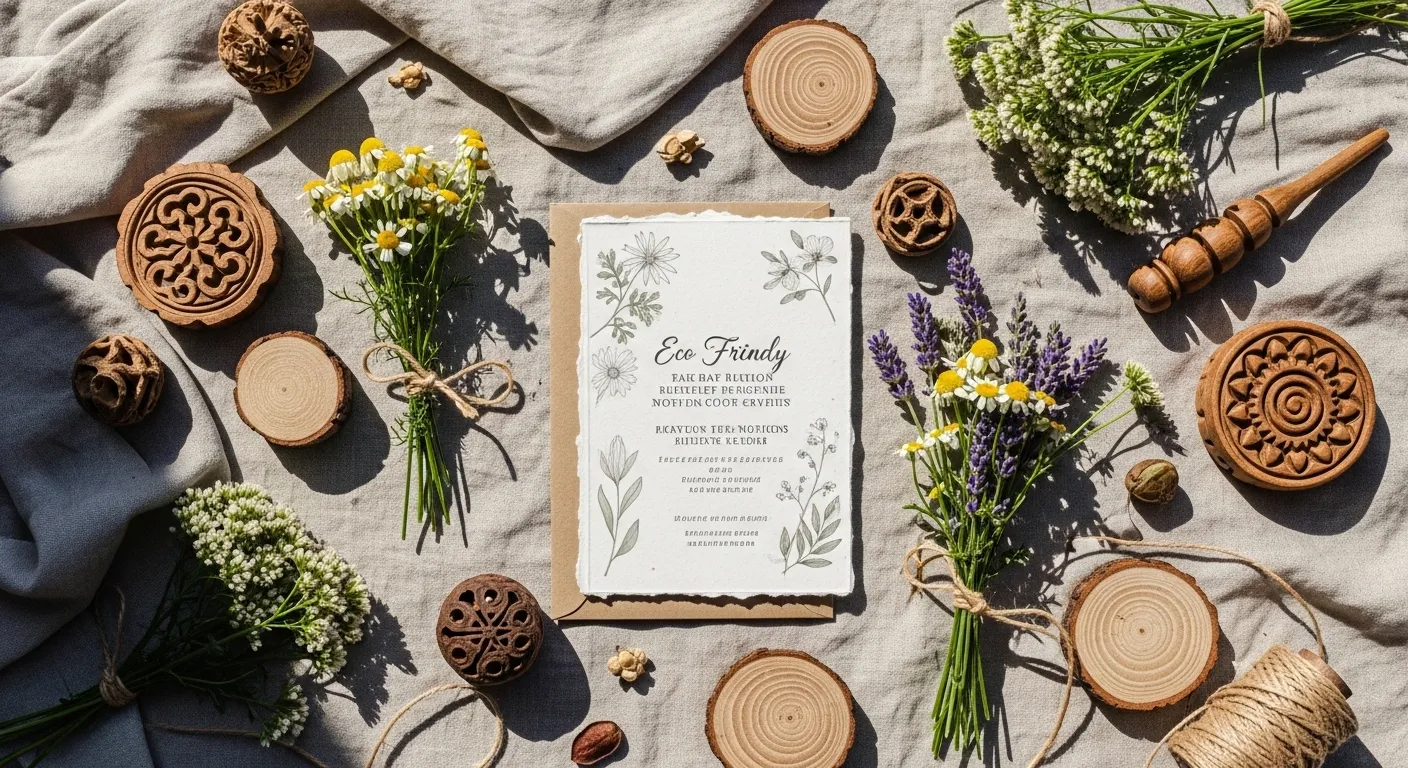
Wedding stationery — save the dates, invitations, information cards, RSVP cards, order of service booklets, menus, place cards, and thank you notes — represents a significant quantity of paper and print production for a single day’s celebration. Choosing digital invitations for the majority of guests, with printed stationery only for those who genuinely need or particularly value a physical invitation, reduces the paper footprint of the wedding significantly.
For couples who love beautiful physical stationery — and the beauty of a genuinely well-designed wedding invitation is real and worth acknowledging — recycled or sustainably sourced paper printed with vegetable-based inks by an independent printer is a beautiful and genuinely sustainable alternative to conventionally produced stationery.
Key Detail: Choose a stationer who can demonstrate sustainable sourcing and printing practices. Ask specifically about paper origin, ink type, and packaging. Beautiful stationery printed on genuinely recycled stock with genuine vegetable ink is indistinguishable in quality from conventionally produced alternatives — and the sustainable credentials are something worth mentioning to guests.
8. Donate Leftover Food and Flowers
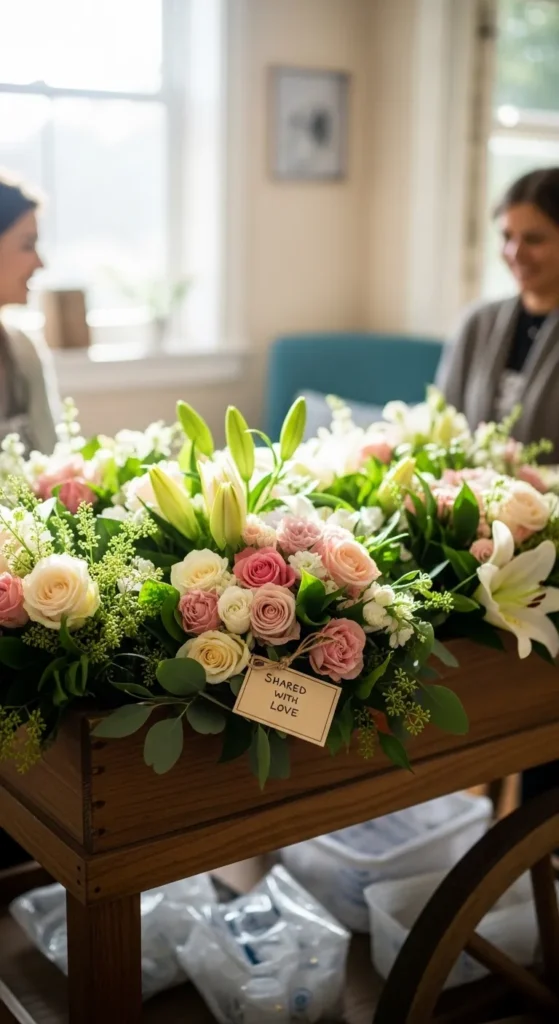
The end of a wedding reception typically produces two categories of genuine waste — leftover food and leftover flowers — both of which can be donated rather than discarded, transforming what would be waste into something genuinely valuable and genuinely kind.
Leftover food can be donated to a local food bank, a community kitchen, or a homeless shelter — many organisations will collect directly from a venue after an event, and the caterer may already have an existing relationship with a local food rescue organisation. Leftover flowers can be donated to a hospital, a care home, or a hospice — organisations like this genuinely value fresh flowers and will collect from venues or florists directly.
Key Detail: Arrange food and flower donations in advance rather than on the day — contact local organisations weeks before the wedding to confirm collection logistics and quantities. Brief the catering team and the florist on the donation plan so they can package appropriately throughout the event rather than at the end of the evening when everyone is tired and logistics become complicated.
Final Thoughts
A sustainable wedding is not smaller than a conventional one. It is not less beautiful, less joyful, or less genuinely celebratory. It is simply more considered — every choice made with awareness of its impact, every element chosen because it is genuinely the best option rather than simply the easiest one. Local flowers, seasonal food, a vintage dress, seed packet favours, and donated leftovers. These are not sacrifices. They are the choices that make the wedding more genuinely beautiful, more deeply meaningful, and more completely worthy of the life the couple is beginning together.