15 Fashion Tips for Effortless Style
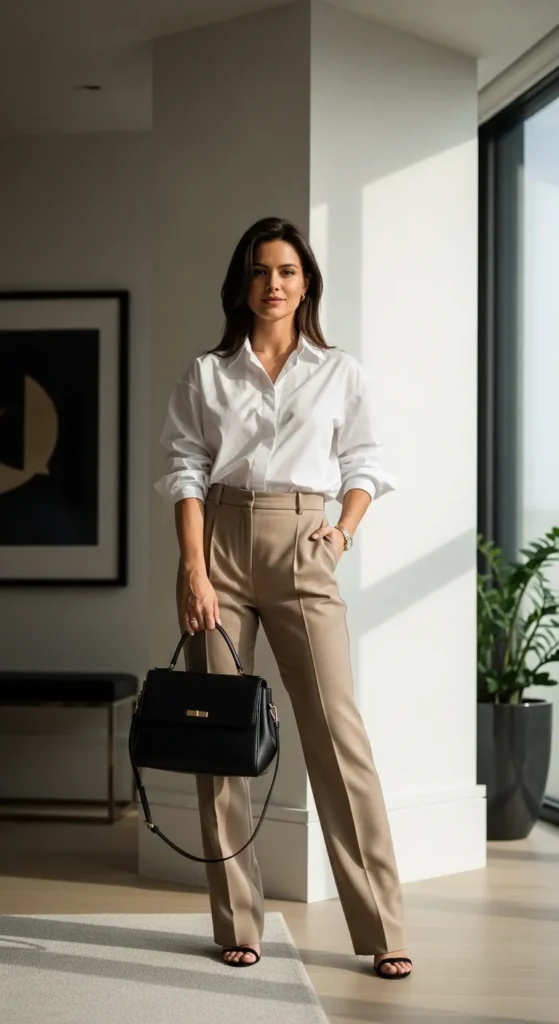
Effortless style is one of fashion’s greatest illusions. The woman who appears to have gotten dressed without thinking — whose outfit looks casual and uncontrived and completely natural — has almost certainly thought about it more than anyone around her realizes. She has simply thought about it so well, and for long enough, that the thinking has become instinct. The decisions have become automatic. The effort has become invisible.
That invisibility is the goal. Not the absence of effort but the complete concealment of it. The look that says this is simply how I am rather than this is what I worked on this morning. The confidence that comes not from trying hard but from knowing — deeply, privately, and without needing external confirmation — that what you are wearing is exactly right.
Effortless style is learnable. It is not a gift given to a specific type of woman or a quality reserved for those with a particular body type, budget, or background. It is a set of principles — understood, practiced, and eventually internalized — that any woman can apply to her own wardrobe and her own life.
These 15 fashion tips are those principles. Not rules to follow rigidly but ideas to absorb genuinely and make completely your own.
1. Fit is the Foundation of Everything
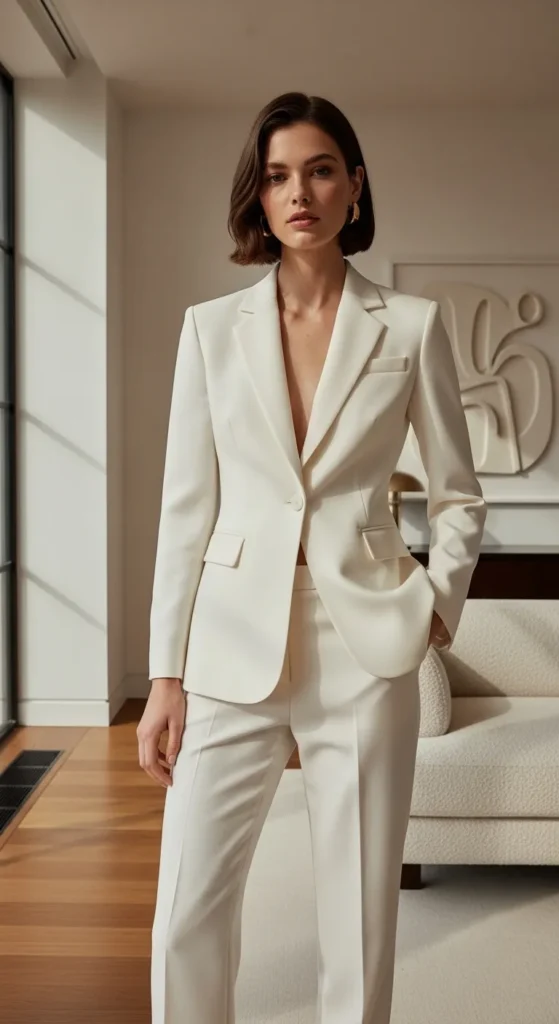
Before color. Before fabric. Before trend or style or aesthetic direction. Before any other consideration in fashion — fit.
A cheap dress that fits perfectly looks more expensive than an expensive dress that does not. A simple white tee in the exactly right size communicates more style than an elaborate designer top that pulls across the shoulders or swims around the waist. A pair of jeans that fits your specific body with genuine precision is worth more to your wardrobe than ten pairs that are approximately correct.
Fit is the foundation because everything else in fashion rests on it. The most beautiful fabric in the world looks wrong on a body it was not cut for. The most interesting design detail disappears when the garment containing it does not sit correctly. And the most carefully chosen outfit communicates the wrong message entirely when the fit is off — because fit is the first thing people see and the last thing they consciously notice, and when it is wrong they feel it even if they cannot name it.
Learn your specific measurements. Understand how clothes are supposed to fit your specific body — where the shoulder seam should sit, how much ease you need through the hip, what trouser length works best with your height. Find a good tailor and use them. The cost of having a great piece altered to fit perfectly is almost always worth every penny of it.
2. Build Around Neutrals and Add Color Deliberately
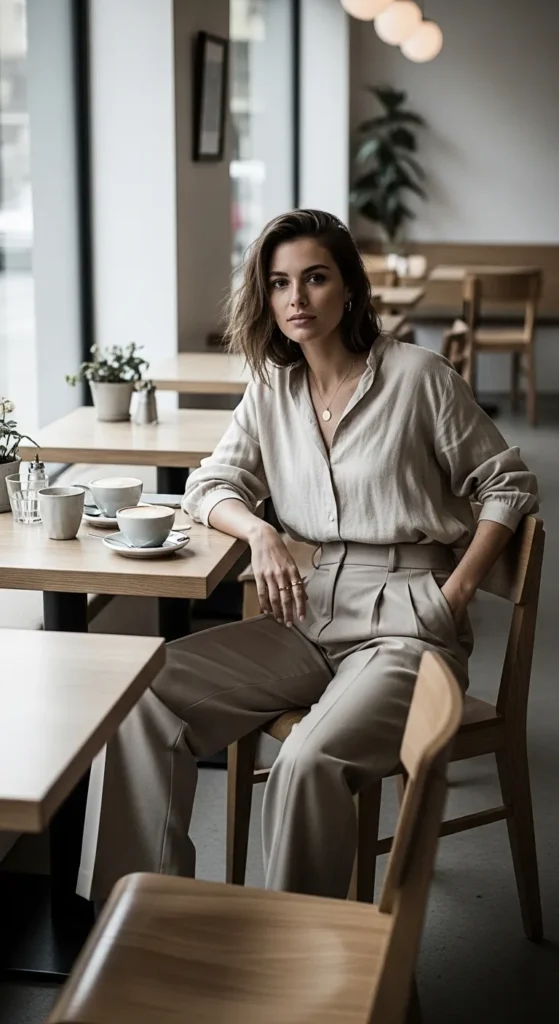
The wardrobe that produces effortless style most consistently is almost always built on a foundation of neutral colors — not because neutrals are more beautiful than other colors but because neutrals connect to each other naturally and without effort. A wardrobe built primarily in camel, navy, cream, black, warm grey, and chocolate brown is a wardrobe where almost every piece works with almost every other piece — which multiplies outfit combinations exponentially without requiring any additional pieces.
Color enters this wardrobe deliberately and selectively. A rich burgundy that coordinates with the navy and the camel and the black already present. A deep forest green that works with the cream and the warm grey. A warm terracotta that connects to the chocolate brown and the camel. Each color addition is chosen not for how beautiful it is in isolation but for how naturally it connects to the neutral foundation already in place.
The result is a wardrobe where getting dressed in the morning produces outfits rather than combinations — where reaching for any two or three pieces produces something that works rather than something that requires additional decisions to fix.
3. Invest in Fabric Quality Over Quantity
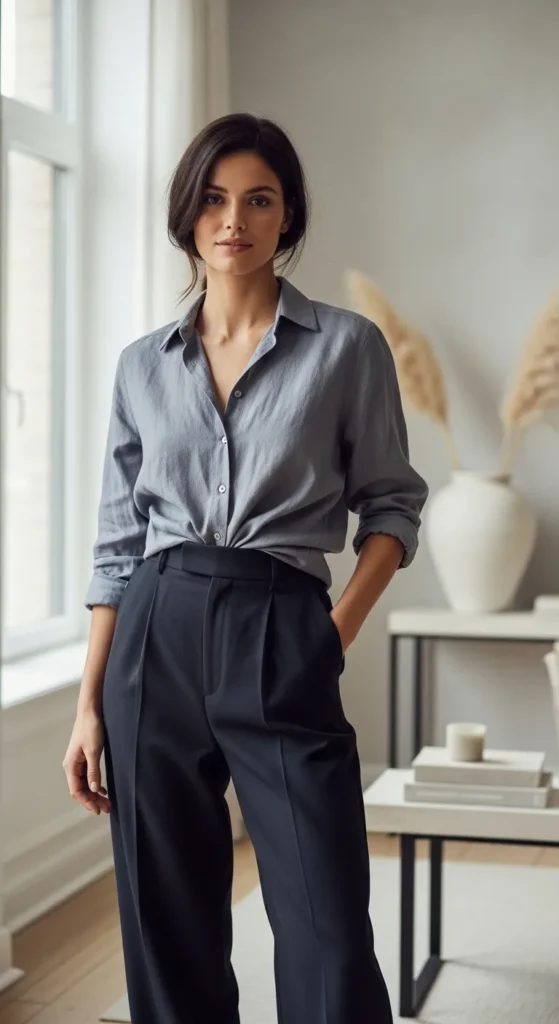
The single most powerful upgrade available to any wardrobe — regardless of its current state — is improving the average quality of its fabrics. Not necessarily the average price. Quality fabric and expensive fabric are not always the same thing. But genuine fabric quality — natural fibers that drape beautifully, that age well, that feel good against the skin and look good in natural light — is the difference between a wardrobe that looks expensive and one that does not.
Linen that breathes and wrinkles beautifully rather than synthetic fabric that traps heat and pills within a season. Silk or quality satin that catches light with genuine luminosity rather than polyester that produces a plasticky sheen. Quality cotton that maintains its color and its shape across years of washing rather than cheaper alternatives that fade and distort within months.
Buy one quality piece instead of three mediocre ones. Wear that one quality piece constantly and with complete confidence — because fabric quality communicates itself to anyone within touching or even viewing distance, and that communication is one of the most powerful signals of genuine style available to any woman at any budget level.
Explore wardrobe essentials in 13 Wardrobe Essentials Every Woman Needs.
4. Master the Art of the Tuck
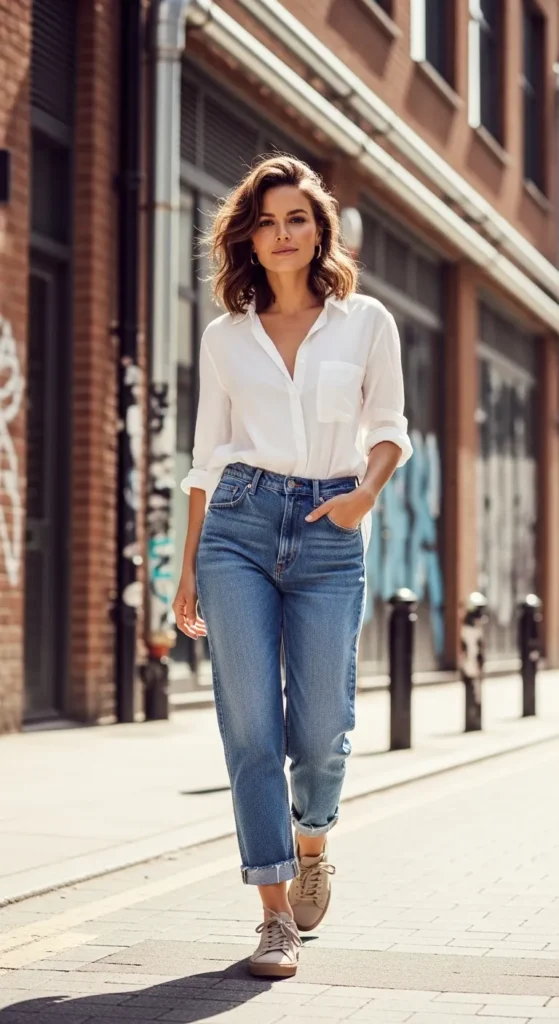
The tuck is one of fashion’s most underrated styling techniques — a small, simple adjustment that changes the entire energy of an outfit without requiring any additional pieces or any additional spending.
A full tuck — the entire front and back of a top tucked cleanly into a waistband — creates the most polished and the most formal version of any top-and-bottom combination. A front tuck — only the front of the top tucked in, the sides and back left out — creates a deliberately casual version of the same look that reads as effortless and uncontrived. A half tuck — one side tucked, the other not — adds an asymmetric, slightly undone quality that communicates genuine style knowledge rather than accident.
Each of these tuck variations transforms the same pieces into different outfits with different energies. Learning which tuck works best with which combination — and executing it with the specific degree of neatness or messiness that the look requires — is a styling skill that costs nothing and pays dividends in every outfit it touches.
5. Wear Clothes Rather Than Letting Them Wear You
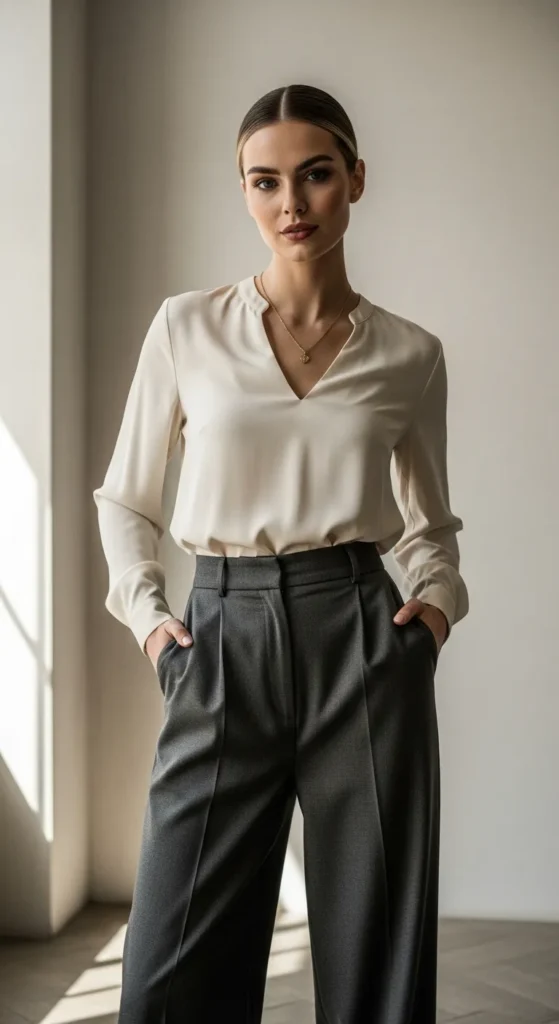
There is a fundamental distinction between wearing clothes and being worn by them — and it is the distinction that separates women who look effortlessly stylish from women who simply look dressed.
Being worn by clothes happens when the outfit is too much — too elaborate, too trend-driven, too far from the woman’s genuine personality and comfort zone for her to carry it naturally. The clothes are interesting. The woman inside them looks uncomfortable. And that discomfort undermines every element of the outfit regardless of how beautiful or how well-chosen each individual piece might be.
Wearing clothes — genuinely wearing them, owning them, carrying them with the relaxed confidence of someone who is completely at home in what she has chosen — happens when the outfit is an authentic extension of the woman rather than a costume she has assembled over the top of herself. It happens when the style is genuinely hers rather than borrowed from a trend or a style icon or a mood board. And it produces that specific quality of effortless style that no amount of expensive clothes or careful styling can manufacture when the genuine ownership of the look is absent.
6. Understand Your Personal Color Palette
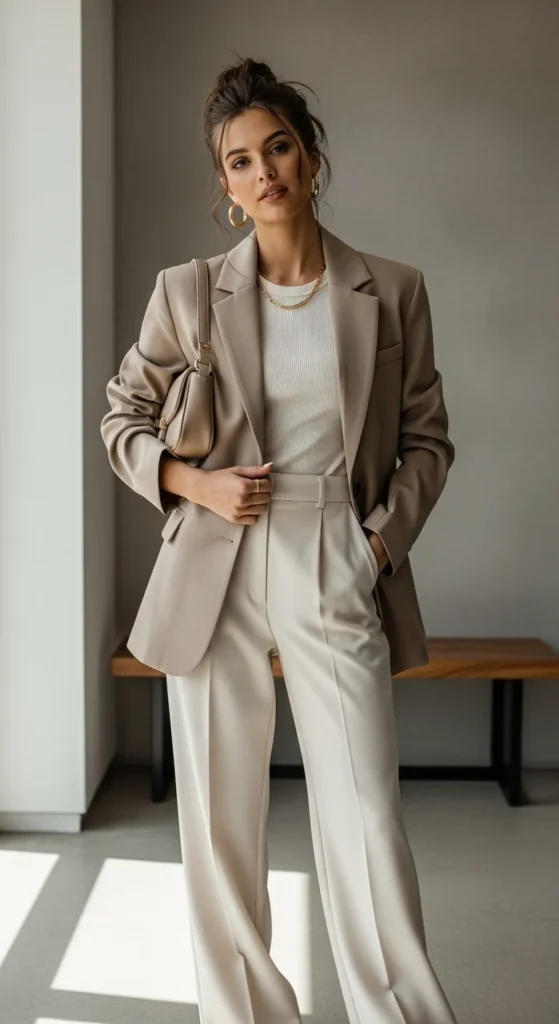
Not every color works for every woman — and the woman who has taken the time to genuinely understand which colors work for her specific skin tone, hair color, and eye color has access to a styling shortcut that dramatically simplifies every shopping and dressing decision she will ever make.
Personal color analysis — whether done professionally or through genuine self-observation in natural daylight — reveals the colors that make a woman look healthy, luminous, and fully alive and the colors that do the opposite. Warm skin tones generally respond better to warm colors — camel, rust, olive, warm cream — while cool skin tones are often flattered most by cool ones — true navy, bright white, deep burgundy, cool grey.
Within these broad categories each woman has her own specific palette — a set of colors that consistently work for her specific combination of features. Finding that palette and building the wardrobe primarily within it eliminates the experience of buying a beautiful piece that somehow never looks quite right in the actual context of the wardrobe and the actual context of the face it frames.
7. Own Fewer Things and Wear Them More
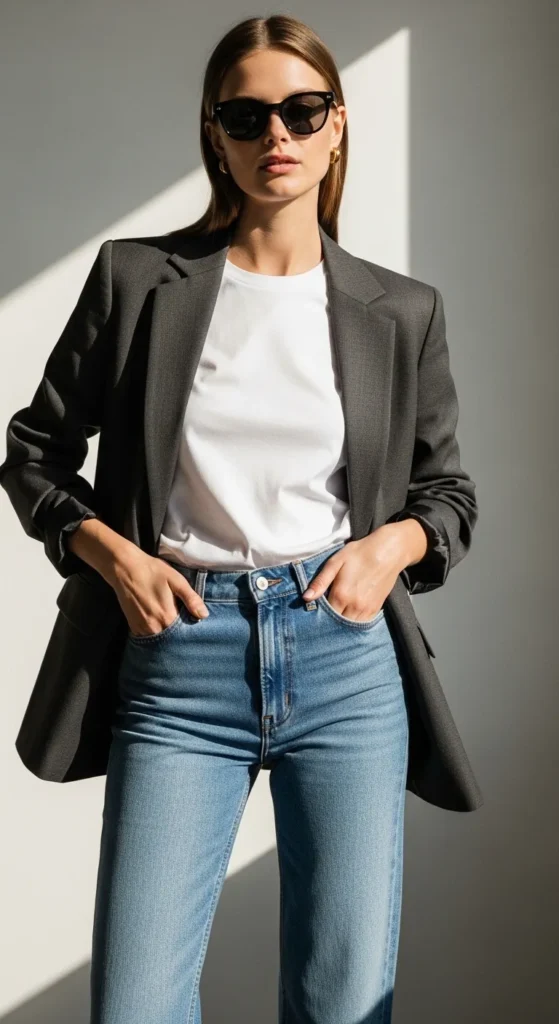
The effortlessly stylish woman’s wardrobe is almost never the largest one in the room. It is almost always among the most curated — a collection of pieces chosen with genuine care, worn with genuine frequency, and maintained with genuine attention to their ongoing condition and quality.
The psychological relationship with a smaller, more curated wardrobe is fundamentally different from the relationship with a large, overstuffed one. Knowing every piece in the wardrobe — its specific qualities, its best combinations, its appropriate contexts — eliminates the uncertainty and the decision paralysis that too many options inevitably produce. Every morning becomes a selection from a set of known quantities rather than a confrontation with an overwhelming number of possibilities that somehow produces nothing to wear.
Wear your clothes. Actually wear them — the nice ones as well as the everyday ones. Rotate them genuinely so that every piece earns its space through regular use rather than hanging unworn and unjustified. And when a piece has genuinely run its course — when it no longer fits, no longer works with the rest of the wardrobe, no longer reflects the woman who owns it — let it go without guilt and without replacement unless a genuine need exists.
8. Learn to Layer with Intention
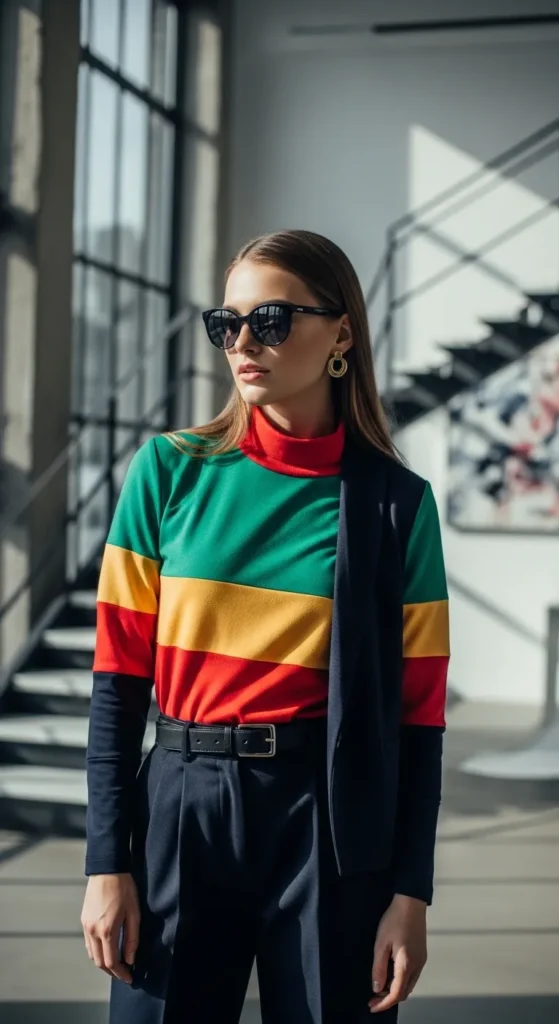
Layering is one of the most powerful and most frequently misunderstood styling techniques available — misunderstood because the difference between layering that looks intentional and layering that looks confused is not obvious until you understand what creates it.
Intentional layering is built on proportion. Each layer should be clearly longer or shorter than the one beneath it — creating visible distinctions that communicate deliberate decision-making rather than accidental accumulation. A fitted base layer under a mid-weight middle layer under a longer outer layer — each visible in the right proportion below the one above it — is layering that looks like a styling choice rather than a cold weather emergency.
Intentional layering is also built on color coherence. Layers that belong to the same color family or the same neutral palette connect to each other naturally. Layers in conflicting or unrelated colors compete with each other visually and produce the confused, chaotic quality that bad layering is known for.
And intentional layering is built on texture contrast — because when all the layers are in the same fabric as well as the same color there is nothing for the eye to move between and the look flattens. Different textures within the same color family create the depth and visual interest that makes layering look rich and considered rather than simply covered up.
9. Accessories Last — But They Matter
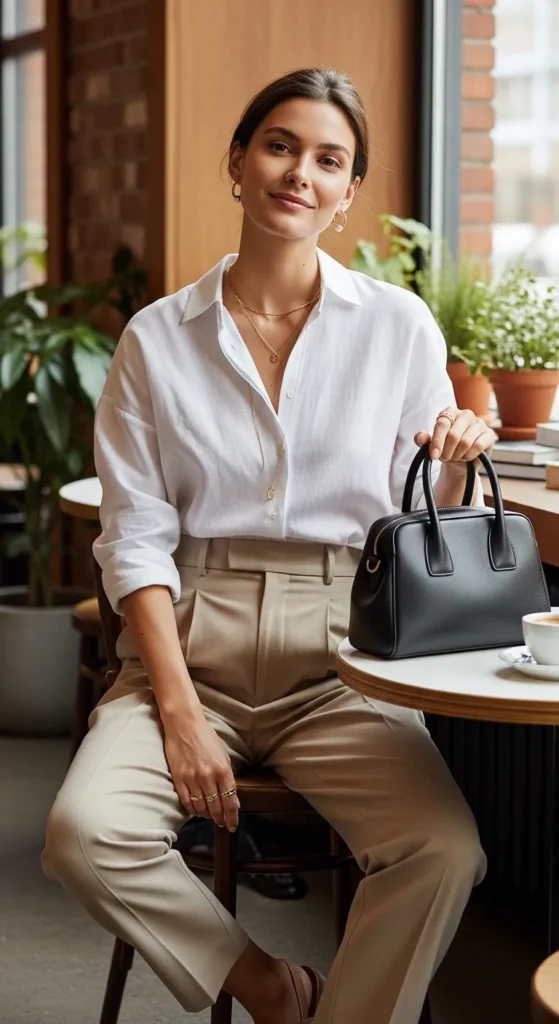
Accessories are the last thing added to an outfit and the first thing noticed when an outfit is almost right but not quite there. They are the difference between a look that is complete and a look that is assembled — between an outfit that has been thought about from beginning to end and one that stopped thinking at the clothing and hoped the accessories would sort themselves out.
The principle that governs effortless accessorizing is restraint with intention. Not no accessories — a completely unadorned outfit often reads as unfinished rather than minimal. But the right accessories in the right quantities. A single pair of earrings that frames the face without competing with the neckline. A bag that completes the look in color and scale without overpowering it. A single layer of delicate gold jewelry that adds warmth and finish without accumulating into noise.
Choose accessories after the outfit is complete rather than before it begins. See what the outfit needs — warmth, structure, a finishing detail — and provide exactly that without providing more. The accessories that disappear into a look while making it better are always more powerful than the ones that announce themselves separately from it.
10. Dress for Your Actual Life
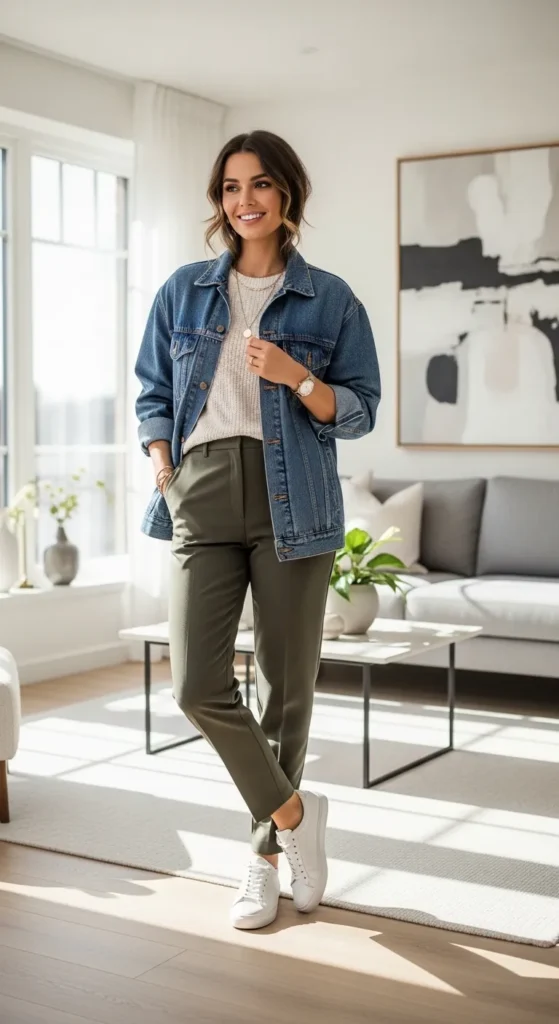
The most common mistake in building a wardrobe — more common than any other and more consequential in its effects on daily dressing — is building a wardrobe for an imaginary version of life rather than the actual one being lived.
The woman who buys formal evening wear for the five evenings a year that require it and neglects the work-from-home wardrobe that covers two hundred and fifty days has not made a style investment. She has made an aspirational purchase that leaves the majority of her actual days underdressed and underprepared. The woman who fills her wardrobe with the kind of casual weekend pieces she sees on style influencers but spends her week in professional environments has the same problem in reverse.
Effortless style is never effortless in a life it was not dressed for. It requires honest, unsentimental assessment of where you actually go, what you actually do, and what your specific days actually require — and the discipline to build a wardrobe that serves that life rather than the life you might prefer to be living or the life you imagine becoming yours eventually.
Dress for now. Dress for the specific occasions that fill your specific weeks. And let the wardrobe that emerges from that honesty be the foundation on which future refinements are built.
Discover capsule wardrobe ideas in 11 Capsule Wardrobe Essentials Guide.
11. Understand Proportion and Silhouette
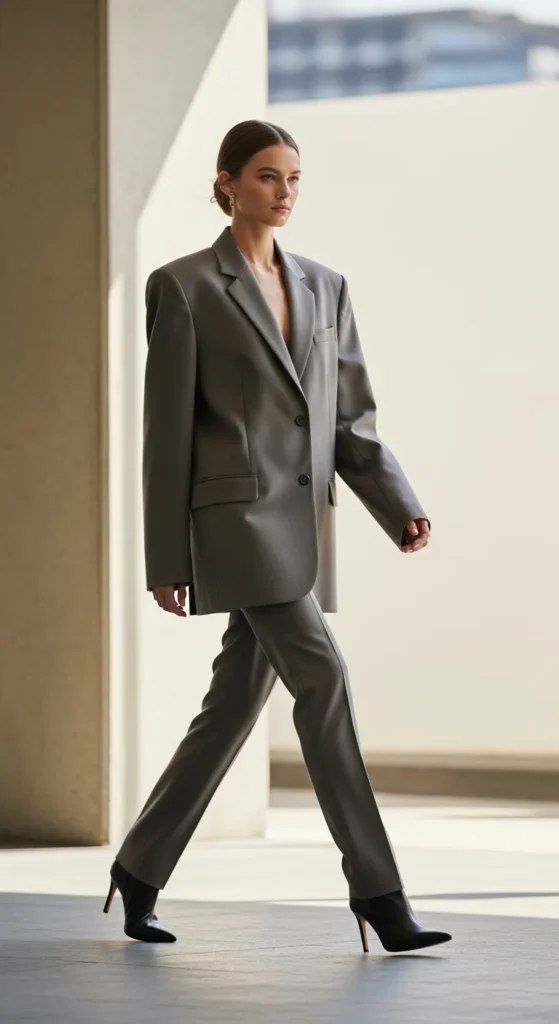
Proportion — the relationship between the size and shape of different elements in an outfit — is the styling concept that most dramatically separates women who consistently look put-together from those who assemble the same quality pieces and produce less consistent results.
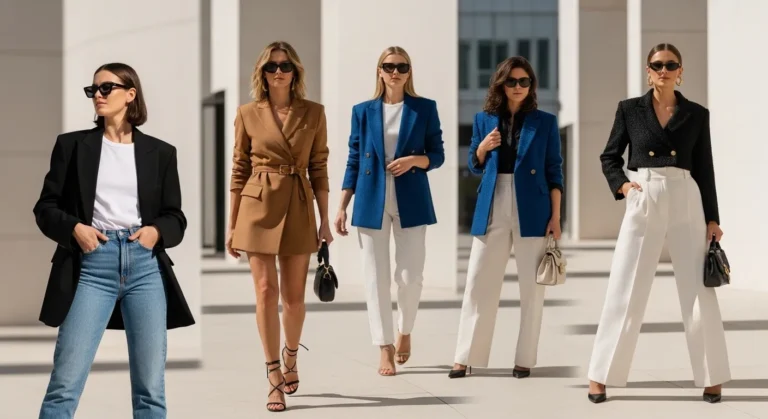
The fundamental proportion principle of effortless style is balance. Volume on top requires something more fitted on the bottom. A wide-leg trouser needs a tucked-in or fitted top to create the waist definition that prevents the silhouette from overwhelming the body. An oversized blazer needs slim trousers or jeans beneath it to create the contrast that makes the oversized quality look intentional rather than accidental.
Understanding your own body’s proportions — where your natural waist sits, how your hip and shoulder measurements relate to each other, how different trouser lengths interact with your height — allows you to choose pieces that work with those proportions rather than against them. And pieces that work with your body’s proportions always look better than pieces that fight them — regardless of how beautiful those fighting pieces might be on a hanger or on another woman’s body.
12. Shop with a List and a Reason
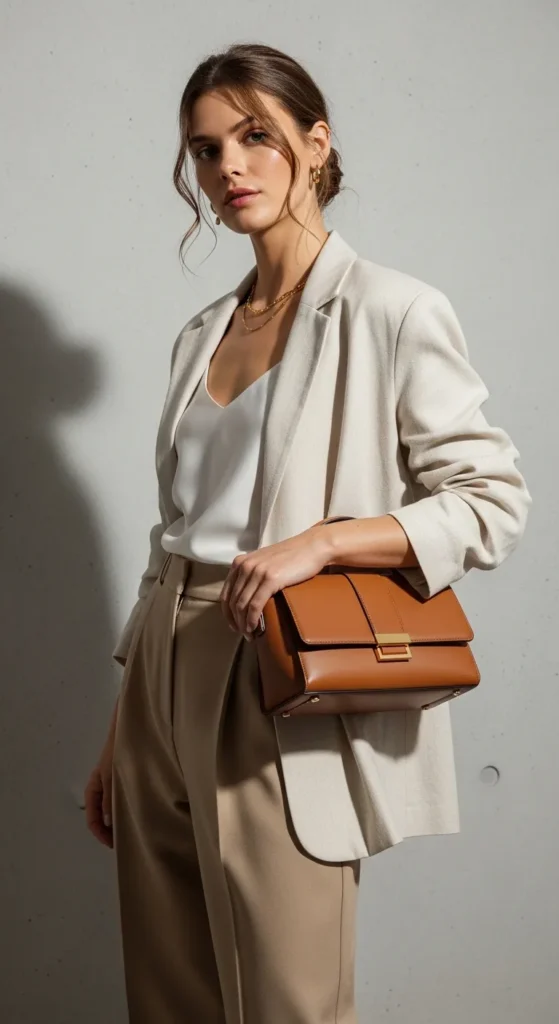
The most damaging habit in the wardrobes of women who struggle with effortless style is not poor taste or insufficient knowledge. It is shopping without direction — entering stores or scrolling through online options without a specific need in mind and leaving with pieces that seemed beautiful in isolation but connect to nothing already owned.
Effortless style requires intentional acquisition. Before any shopping — whether in a physical store or online — know what the wardrobe actually needs. Not what it might be enhanced by in an ideal world. Not what caught the eye on an Instagram feed. What genuine gap exists in the practical functionality of the wardrobe and what specific piece would fill it most effectively.
A list produced by genuine wardrobe analysis — identifying what combinations are missing, what occasions are undercovered, what quality upgrades would most significantly improve the daily dressing experience — is the most powerful shopping tool available. It eliminates impulse purchases by giving every potential acquisition a standard to meet before it earns a place in the wardrobe. And it produces a wardrobe that grows with genuine purpose rather than accumulating with expensive randomness.
13. Maintain What You Own
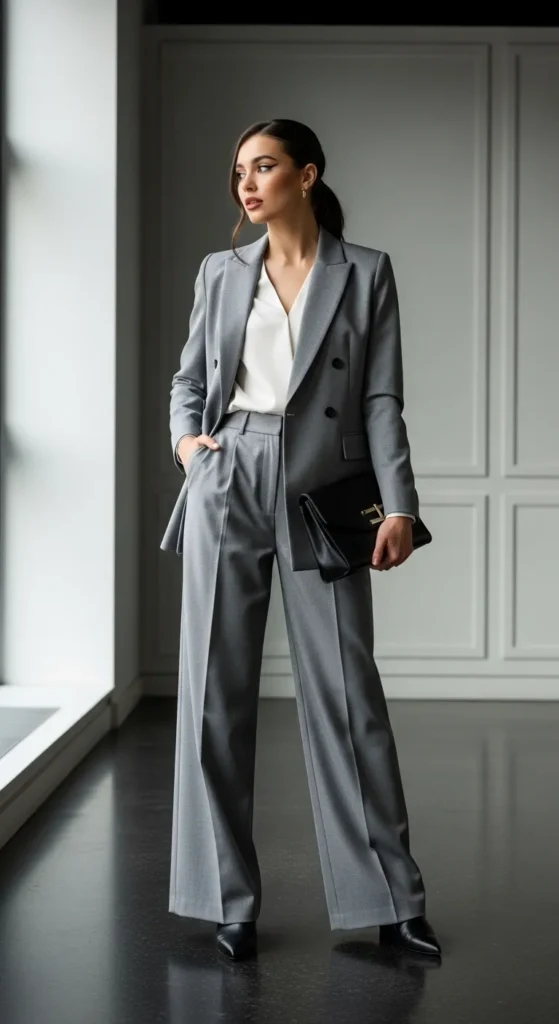
The condition of clothing is the styling detail that most people underestimate and most genuinely stylish women take completely seriously. A quality garment in poor condition looks worse than a budget garment in perfect condition. Pilling, fading, misshapen collars, missing buttons, unraveling hems — these details communicate carelessness and disregard for the clothing they affect, and that communication undermines the impression of every outfit they are part of regardless of how well the outfit was otherwise constructed.
Maintain your clothes with genuine attention. Wash according to care instructions rather than convenience. Store knitwear folded rather than hung to prevent the stretching that destroys its shape. Use a fabric shaver on pilling wool and cashmere before it becomes irreversible. Replace buttons before they are completely lost. Have hems repaired before they unravel further.
These habits cost very little in time or money and they preserve the condition and the quality of clothing across years of wear rather than months. The woman whose clothes always look impeccable — whose white tee is always bright, whose cashmere is always smooth, whose leather shoes are always conditioned and clean — communicates more genuine style through that impeccability than most women communicate through the clothes themselves.
14. Confidence is the Final Layer
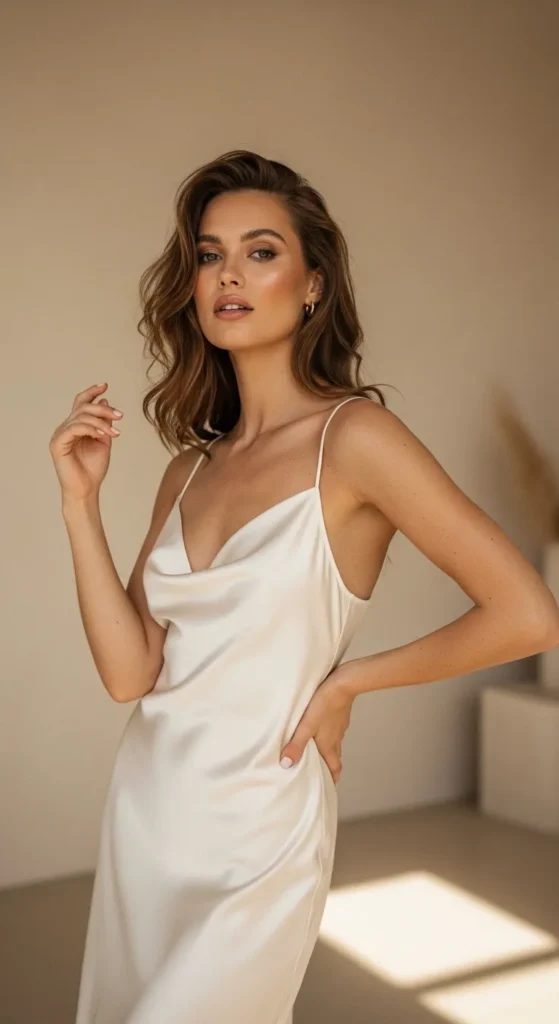
Every outfit — regardless of how carefully it was chosen, how well it fits, how beautifully the pieces connect — is completed or undermined by the final layer that no shopping trip can provide and no styling trick can manufacture. Confidence.
The woman who wears a simple white tee and dark jeans with complete, unhurried confidence looks more stylish than the woman in the most elaborate, most expensive, most carefully assembled outfit who carries it with uncertainty and self-consciousness. Because what observers respond to — what creates the impression of genuine style rather than simply dressed — is not the quality of the individual pieces but the quality of the relationship between the woman and what she is wearing.
That relationship is confidence. The private, internal certainty that what you have chosen is right for you — not necessarily right for everyone, not necessarily fashionable in every context, not necessarily approved by any external authority — but right for you, in this moment, for this version of your life.
Building that confidence takes time and self-knowledge and the willingness to make mistakes and learn from them rather than avoiding all risk in the direction of blandness. But once built it does more for the appearance of effortless style than any single purchase or any single styling principle ever could.
15. Develop Your Signature
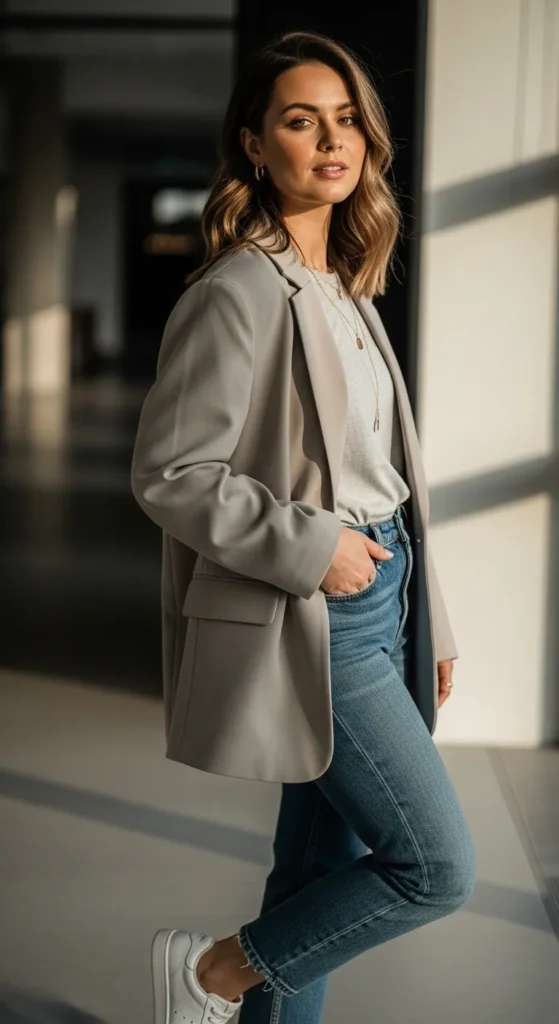
The highest expression of effortless style is not the mastery of general principles but the development of something more personal and more specific — a signature. A consistent visual element that appears across different outfits and different occasions and creates a sense of personal style so coherent and so genuinely individual that someone who knows you well could identify your outfit in a photograph without seeing your face.
A signature might be a specific color that appears in every look. A particular silhouette that you return to constantly because it suits your body and your personality more honestly than any other. A specific accessory — always gold jewelry, always a particular style of bag, always a silk scarf in some configuration — that ties every outfit to a consistent personal identity.
The signature does not emerge from decision-making. It emerges from paying attention — to what you reach for most naturally, to what you feel most genuinely yourself wearing, to the details that appear across your favorite outfits without being deliberately planned. Finding those patterns and leaning into them rather than constantly seeking variety is the final and most important step in the journey from dressed to genuinely, effortlessly stylish.
Because effortless style — at its absolute best — is not about following any principle on any list. It is about knowing yourself well enough that getting dressed every morning is simply the act of being yourself. Clearly. Consistently. And completely.
And that — more than any tip or technique or trend — is what effortless style has always actually been.