
11 Fashion Tips for Every Woman
Fashion gives advice constantly. From every magazine cover, every social media feed, every style influencer who has ever held a phone in front of a mirror and told you what to buy this season and why the things you bought last season are no longer correct. The noise is relentless. The opinions are contradictory. And somewhere in the middle of all of it the average woman stands in front of her wardrobe every morning trying to figure out what actually works for her specific body, her specific life, and her specific version of the person she wants to present to the world.
This is not that kind of advice.
These 11 fashion tips are not seasonal. They are not trend-dependent. They will not be irrelevant in six months because a different color or a different hem length has been declared the new essential. They are the kind of fashion advice that works across decades and across every version of a woman’s life — the kind that becomes more valuable the more consistently it is applied rather than expiring the moment the next collection arrives.
Every woman. Every body. Every budget. Every life.
1. Know Your Body and Dress for It Honestly
The most important fashion decision any woman makes is not what to buy or what trend to follow. It is the decision to understand her own body honestly — without the distortion of what she wishes it were or what she imagines it might become — and to dress it with genuine respect and genuine intelligence.
This is not about dressing to hide or to minimize or to perform the optical illusions that fashion magazines have always offered as solutions to bodies they considered problems. It is about understanding which silhouettes genuinely flatter your specific proportions and why — and making choices from that understanding rather than from aspiration or habit or the influence of what looks good on someone built completely differently.
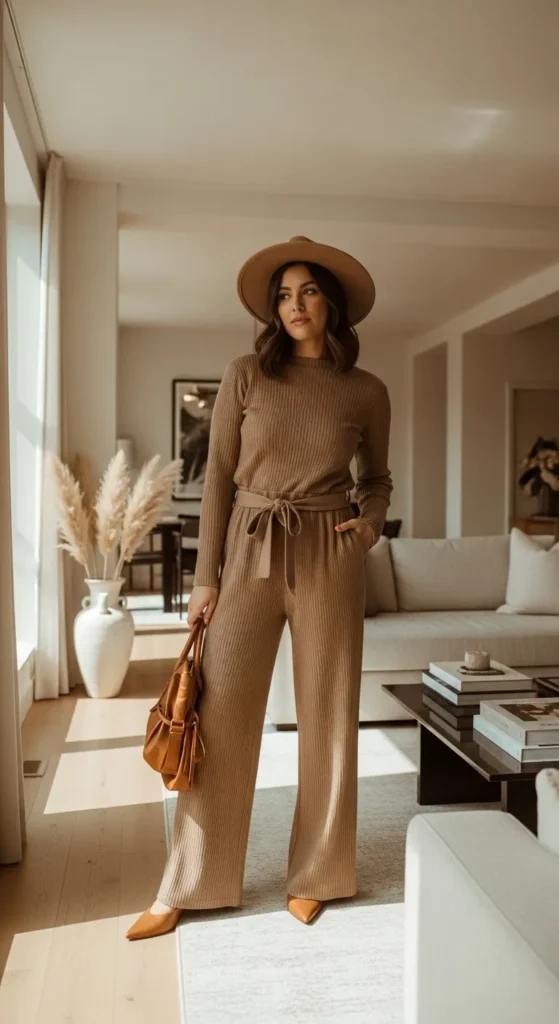
A high waist creates a longer leg line for women with shorter proportions. A wrap neckline flatters a fuller bust by creating a V-line that draws the eye downward. Wide-leg trousers balance a narrower shoulder line by adding visual width below. These are not tricks or illusions — they are honest applications of proportion principles that produce genuinely flattering results for the bodies they suit.
Find the silhouettes that work for your body by trying genuinely — not by reading about them but by putting them on and looking honestly at what they do. Then build your wardrobe around what you discover rather than around what you wish the discovery had been.
2. Stop Dressing for Your Age and Start Dressing for Your Life
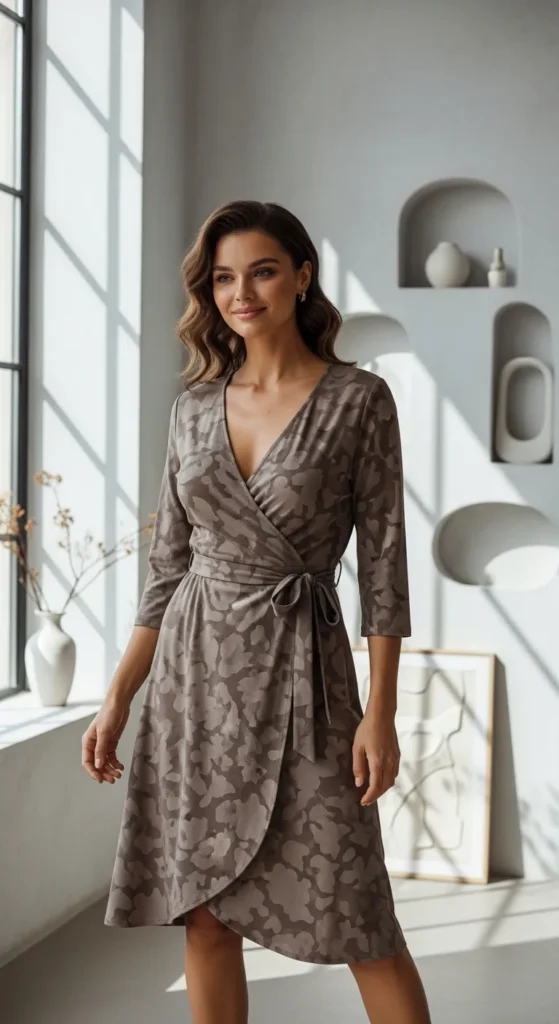
Age is one of fashion’s most persistent and most limiting myths — the idea that certain styles, certain lengths, certain levels of boldness or femininity or playfulness become unavailable to a woman once she passes a certain point in her life. This myth is not supported by any genuine aesthetic principle. It is supported only by convention — and convention in fashion is the thing most worth questioning.
Dress for your actual life. For the occasions you actually attend, the energy you actually have, the version of yourself you actually want to present to the world on any given day. If that version is bold and colorful at sixty — be bold and colorful at sixty. If it is minimal and architectural at twenty-five — be minimal and architectural at twenty-five.
The women who look most genuinely stylish across every decade of their lives are consistently the ones who dress for themselves rather than for the imaginary audience that supposedly has opinions about what women of specific ages should wear. That audience is far less real and far less powerful than it appears — and the woman who ignores it entirely almost always looks significantly better than the one who spends her wardrobe decisions trying to satisfy it.
3. Quality Over Quantity — Every Single Time
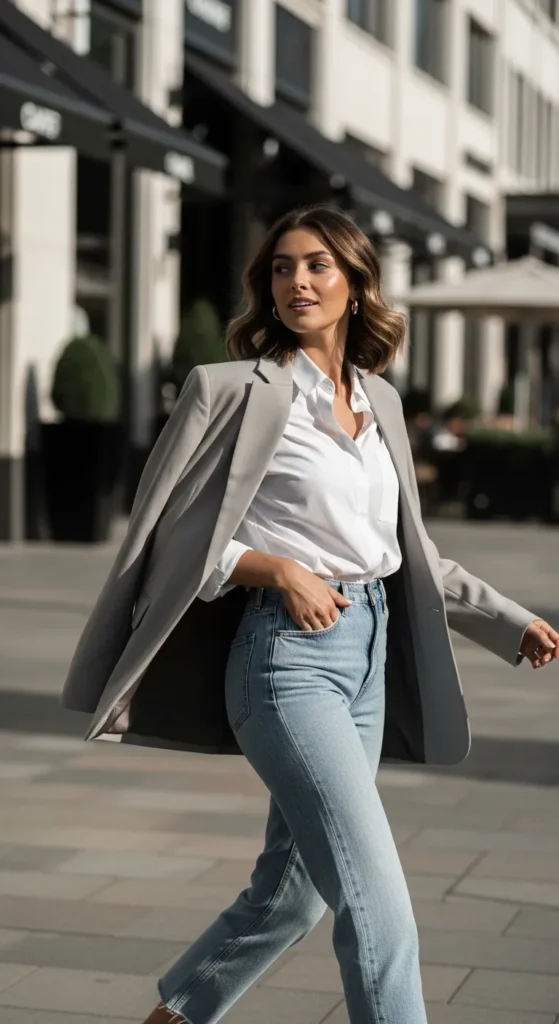
This principle has been repeated so many times in fashion advice that it risks losing its meaning through repetition. But the reason it is repeated so often is that it is so consistently and so completely correct that no honest fashion conversation can proceed without it.
One genuinely well-made piece — in quality fabric, with careful construction, in a cut that flatters and a color that works — does more for a wardrobe than five cheaper pieces that pill within a season, lose their shape after six months, and create the decision paralysis of too many options that somehow add up to nothing wearable.
Quality is visible. Tactile. Immediately communicated to anyone who encounters it — not necessarily consciously, not necessarily with the ability to articulate what they are responding to, but genuinely and powerfully felt in the impression a garment makes. And that impression is the thing that creates the perception of genuine style regardless of the specific pieces producing it.
Buy less. Choose better. Wear what you own constantly and with complete confidence. This is not deprivation — it is intelligence applied to the specific domain of clothing.
Build a strong wardrobe foundation with 13 Wardrobe Essentials Every Woman Needs for timeless and versatile outfit inspiration.
4. Learn What Colors Actually Work for You
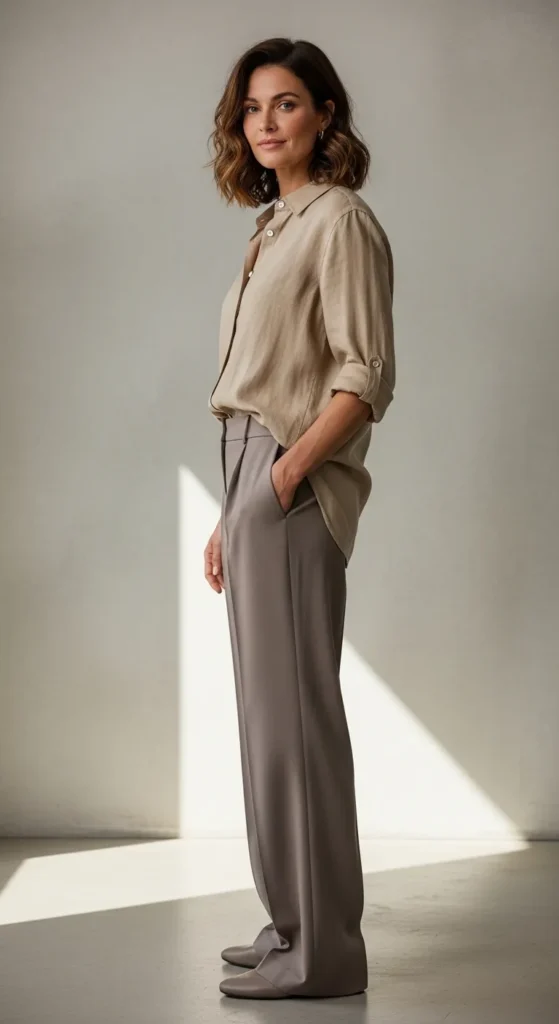
Color is the fashion element that most directly and most immediately affects how a woman looks — not because of the colors themselves but because of how specific colors interact with specific skin tones, hair colors, and eye colors to produce either luminosity and health or dullness and fatigue.
The colors that make you look luminous — that brighten the skin, clarify the eyes, and create the impression of genuine vitality — are worth identifying and building your wardrobe around. The colors that do the opposite are worth understanding and largely avoiding regardless of how beautiful they are in other contexts or how prominently they are featured in the current season’s collections.
Finding your colors does not require a professional consultation — though a professional consultation can be genuinely illuminating. It requires honest observation in natural daylight. Stand near a window. Hold different colored fabrics near your face. Notice which ones make your skin look warmer and more alive and which ones make it look grey or washed out. Trust what you see rather than what you wish were true. And then shop accordingly — building a wardrobe in colors that consistently work rather than a wardrobe that is periodically derailed by beautiful colors that look wrong on your specific face.
5. The Right Underwear Changes Everything
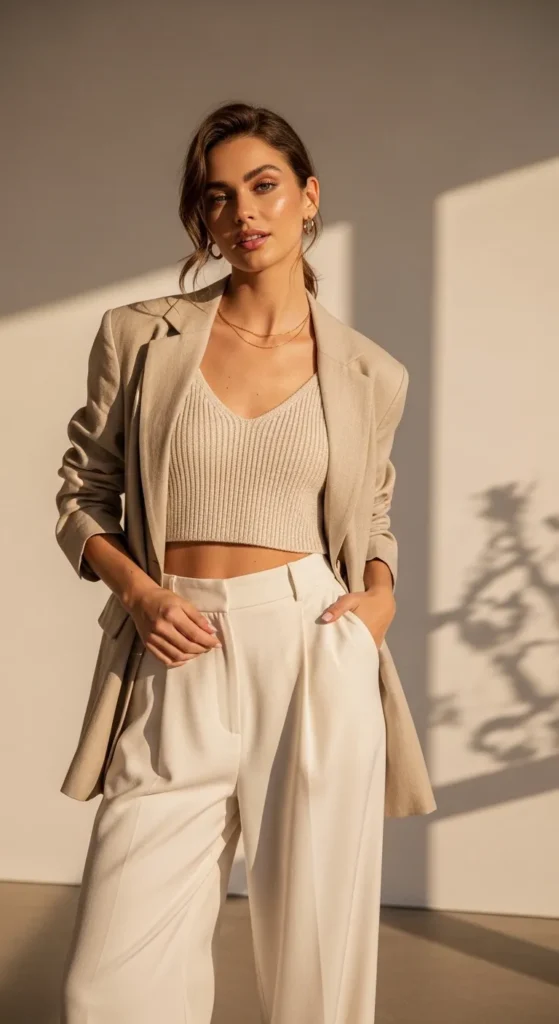
This tip appears last on most fashion lists and deserves to appear much higher — because the foundation a garment sits on determines everything about how that garment looks. And the foundation of every outfit is underwear.
A beautifully fitted dress worn over the wrong underwear — bra straps that are visible where they should not be, seams that show through lightweight fabric, a fit that creates lines in places where the dress’s silhouette requires smoothness — looks worse than a less beautiful dress worn over underwear that genuinely works with it. The underwear is invisible. Its effect is not.
Invest in seamless underwear in neutral tones for fitted or lightweight pieces. Find a bra that genuinely fits — not approximately fits, but genuinely fits across the band and in the cup — because a bra that does not fit affects the fit of every garment worn over it. Invest in shapewear that you actually want to wear rather than shapewear that is uncomfortable enough to guarantee it stays in the drawer.
These are the investments that most directly improve how clothes look — and they are among the most overlooked in the average wardrobe conversation.
6. Develop a Relationship with a Good Tailor
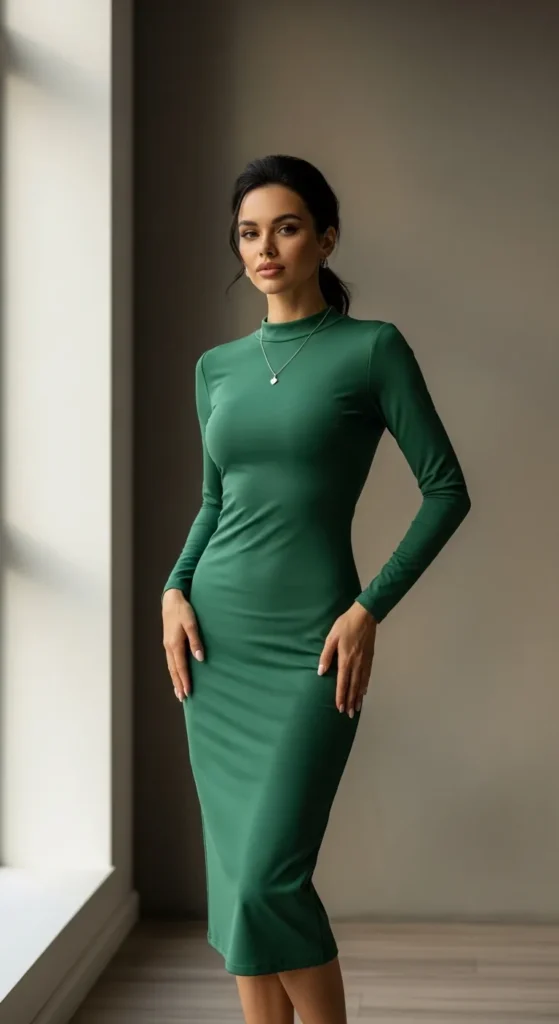
The single most democratizing truth in all of fashion is that fit matters more than price — and the single most powerful tool for achieving fit regardless of price is a good tailor.
Clothes are not made for individual bodies. They are made for standardized measurements that approximate a range of bodies without perfectly fitting any specific one. Which means that even genuinely well-made, genuinely expensive clothes regularly require small adjustments to reach the level of fit that makes them look their best on the specific body wearing them.
A tailor can take trousers bought at a fraction of luxury price and make them fit as though they were custom-made. Can raise a hem by an inch that changes the entire proportion of a dress. Can take in a waist that was close but not quite right and make it exactly right. Can replace buttons on a quality garment with ones that genuinely suit it and genuinely last.
Find a good tailor. Build a relationship with them. Bring them the pieces that are almost perfect and let them make those pieces completely so. The cost of good alterations is almost always significantly less than the cost of buying a more expensive piece hoping it will fit better — and the results are consistently superior to both.
7. Dress With Intention Not Obligation
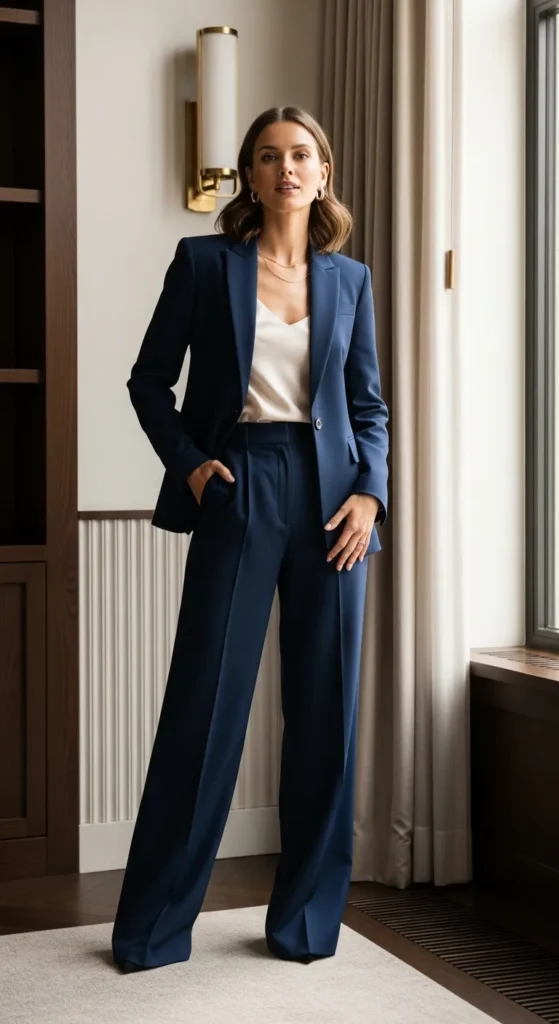
There is a significant difference between dressing with genuine intention — choosing what to wear because you genuinely want to wear it, because it makes you feel like the version of yourself you want to be today, because the act of putting it on produces a specific satisfaction — and dressing out of obligation — wearing what you think you should, what the occasion supposedly requires, what the people around you expect without genuine engagement with whether any of it actually reflects you.
Obligation dressing produces outfits that look correct and feel wrong. Intentional dressing produces outfits that feel right regardless of whether they look correct by anyone else’s standard. And the outfit that feels right — that is worn with genuine ownership and genuine comfort — almost always looks better than the one that was assembled out of obligation to expectations that may not even accurately reflect what anyone actually requires.
Ask yourself genuinely before getting dressed — not what should I wear but what do I actually want to wear. What would make me feel most like myself today. What would I put on if the only person whose opinion mattered was my own. The answer to that question — pursued honestly and worn with complete commitment — is almost always the most stylish answer available.
8. Shoes and Bags Are Not Afterthoughts
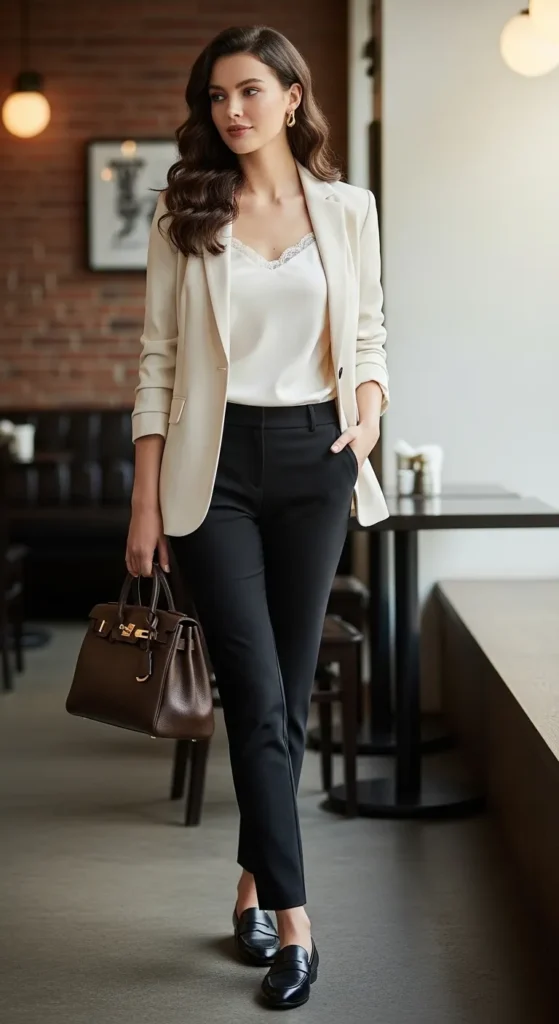
The most common styling mistake is treating shoes and bags as the final flourish applied to an outfit that is otherwise complete — an afterthought rather than an integral part of the overall look. Shoes and bags are not afterthoughts. They are the pieces that complete or undermine every outfit they accompany and they deserve exactly the same level of consideration and intention that goes into every other element of the look.
A genuinely beautiful outfit wearing wrong shoes is an incomplete outfit. A carefully assembled look carried by a bag that does not belong in the same visual conversation is a look that falls short of its potential. And the reverse is equally true — a simple, minimal outfit elevated by genuinely exceptional shoes or an extraordinary bag becomes something significantly more compelling than its individual pieces might suggest.
Choose shoes and bags with the same criteria applied to clothing — quality of material, appropriateness of scale and color for the specific outfit, genuine compatibility with the overall look rather than simply the absence of obvious incompatibility. And invest in quality footwear and quality bags with the same willingness applied to quality clothing — because these pieces carry the weight of entire looks and deserve the investment that weight requires.
9. Trends are Suggestions Not Instructions
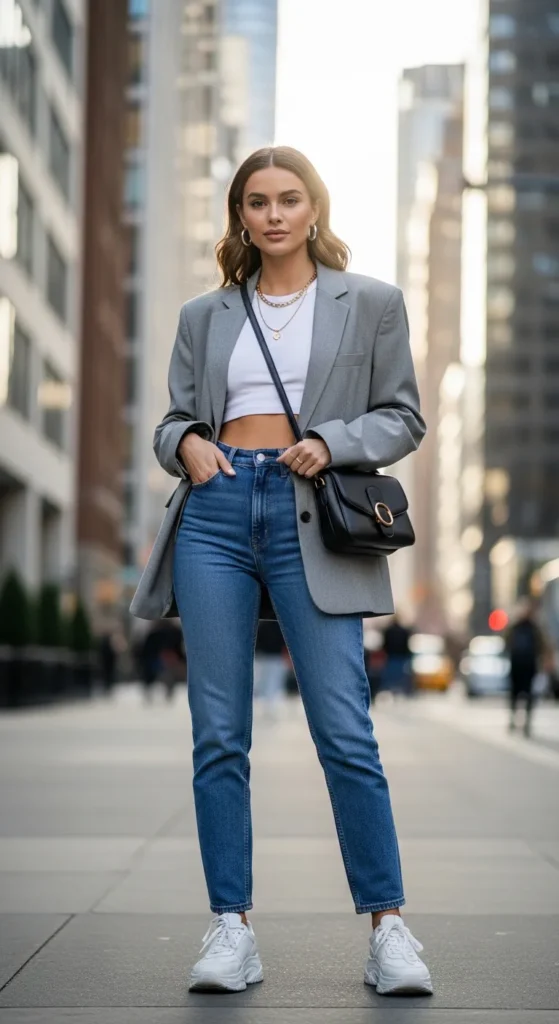
Fashion trends are not instructions. They are not requirements. They are not mandates issued by an authority with the power to enforce compliance. They are suggestions — offers made by designers and brands and the broader fashion industry of ideas about what might be interesting, beautiful, or relevant right now.
Some of those suggestions will connect genuinely with your personal style, your body, your coloring, and your life. Those are worth exploring. Others will be genuinely beautiful in general and genuinely wrong for you specifically. Those are worth admiring from a distance without feeling any obligation to acquire or wear them.
The woman who dresses well over a long period of time is almost never the woman who follows every trend completely and immediately. She is the woman who selects from trends with genuine discernment — taking what genuinely serves her wardrobe and her personal style and leaving what does not with the complete confidence that passing on a trend that does not suit her is a better decision than participating in one that produces outfits she does not actually feel good in.
Trends are information. Use them as information. They are not instructions and they never have been.
Explore practical styling inspiration in 10 Spring Outfit Ideas for Effortless Style to upgrade your everyday fashion.
10. Your Wardrobe Should Reflect Who You Are Right Now
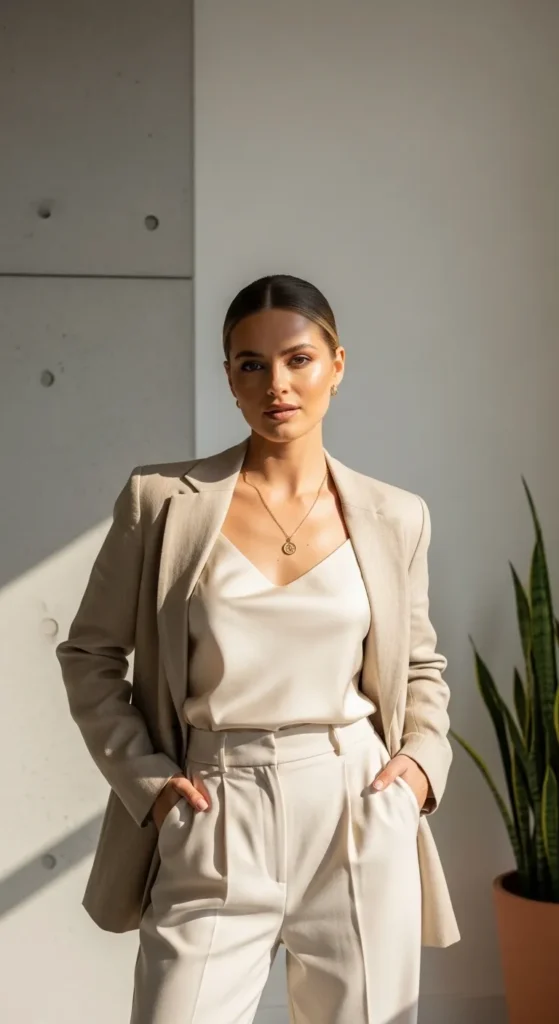
Wardrobes have a tendency to accumulate the past — pieces bought for lives that have changed, for bodies that have changed, for versions of personal style that have evolved beyond the clothes that expressed them. The result is a wardrobe that reflects a range of past versions of a woman rather than the current one — and getting dressed in that wardrobe every morning requires navigating all those past versions to find the present one.
Edit regularly and honestly. Remove the pieces that belonged to a previous chapter of your life and no longer reflect the current one — without guilt, without the justification that they might be useful again someday, and without the sentimental attachment that keeps unworn and unsuitable pieces consuming wardrobe space indefinitely.
The pieces that remain after honest editing are the ones that genuinely belong to who you are right now. They are the ones that fit correctly, that reflect your current aesthetic, that work in your current life rather than the life you were living when you bought them. And a wardrobe composed entirely of those pieces — honest, current, and completely aligned with the woman who owns it — produces outfit options that feel genuinely available every morning rather than buried beneath the accumulated weight of who you used to be.
11. Fashion is a Tool — Use It for Yourself
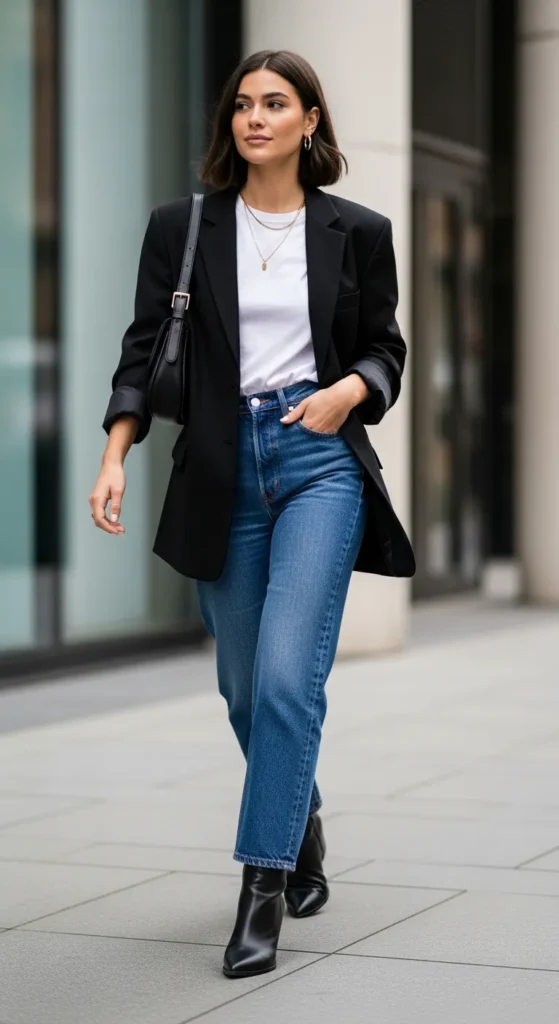
The final and most important fashion tip for every woman is the one that reframes every other tip on this list and every piece of fashion advice that has ever been offered anywhere by anyone.
Fashion is a tool. It is not a standard to be met. Not a competition to be won. Not a performance staged for the approval of observers whose opinions were never actually solicited. It is a tool — practical, creative, and deeply personal — for expressing who you are, for presenting yourself to the world in the way you genuinely want to be seen, and for the private, daily satisfaction of putting on something that makes you feel exactly as good as you deserve to feel.
Use it that way. Use it entirely for yourself — for your own pleasure, your own confidence, your own creative expression, your own relationship with the version of yourself you are working to inhabit more fully and more honestly every day.
Not for trends. Not for other people’s approval. Not for the imaginary audience that fashion mythology has always insisted is watching and judging and forming consequential opinions about your choices. For yourself. Completely. Without apology and without qualification.
Because when fashion is used as the tool it actually is — honestly, personally, and in genuine service of the woman wielding it — it stops being something that happens to you every morning and starts being something you do. With intention. With pleasure. And with the specific, quiet confidence of a woman who knows exactly who she is and has chosen exactly what to wear to prove it.
That is what fashion has always been capable of producing. And every woman — every body, every age, every budget, every life — deserves to experience it fully.