
19 Altered Clothing Ideas That Capture Custom Personal Style
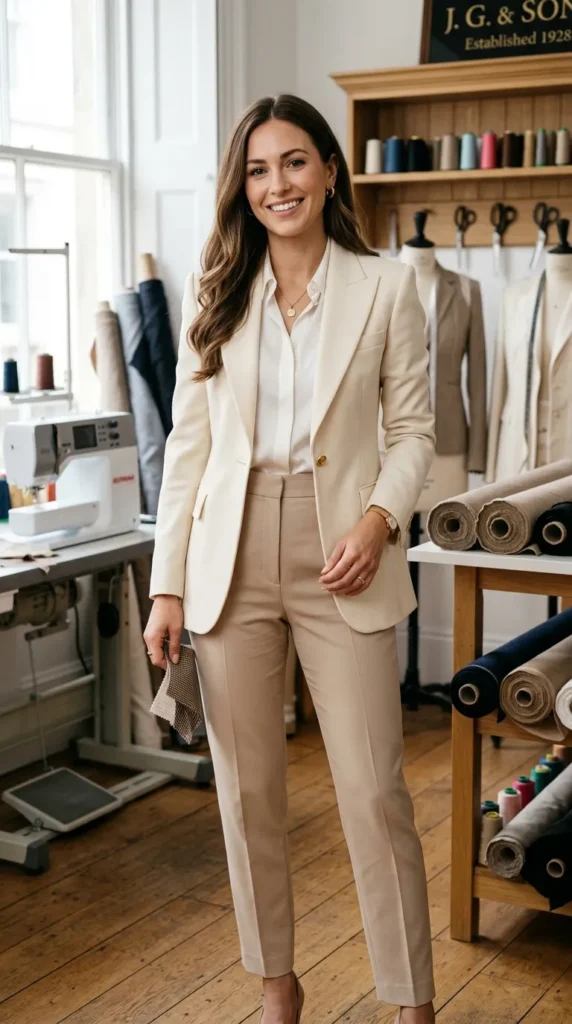
Altered clothing is genuinely one of the smartest ways to build a wardrobe that feels authentically yours. Instead of buying something new that almost fits, altering an existing piece lets you adjust fit, length, and shape until the garment feels genuinely tailored to your body and your personal taste. A good alteration makes a piece feel like it was made specifically for you. A poorly done alteration can look uneven or unfinished instead of intentional and polished. The difference lies in understanding technique, fabric, and what genuinely improves the original garment.
These nineteen altered clothing approaches show you different ways to transform existing pieces, from simple hemming to more involved reconstruction projects. Whether you are working with thrifted finds, hand me downs, or pieces already in your closet, there is an alteration approach that works for you. Let me show you what altered clothing actually involves and how to make it work for your wardrobe.
1. Basic Hemming for Perfect Length
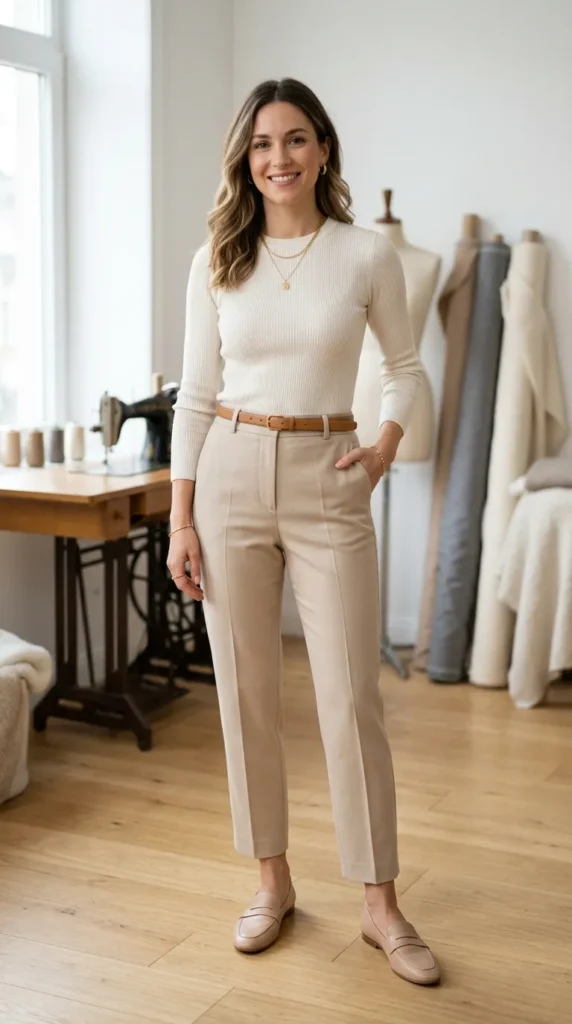
Hemming shortens pants, skirts, or dresses to a precise, flattering length rather than leaving excess fabric pooling awkwardly around the ankles or floor throughout the day. Many people find this small adjustment makes a real difference in how the garment feels over time. This is genuinely a first step worth trying before considering anything more involved.
This is genuinely one of the most common and accessible alterations available. Ask a tailor for a blind hem stitch to keep the finished edge invisible and professionally clean looking. It is a detail worth revisiting periodically as your body and preferences naturally change. It complements nearly every garment type when done thoughtfully by a professional.
2. Taking In a Waistband
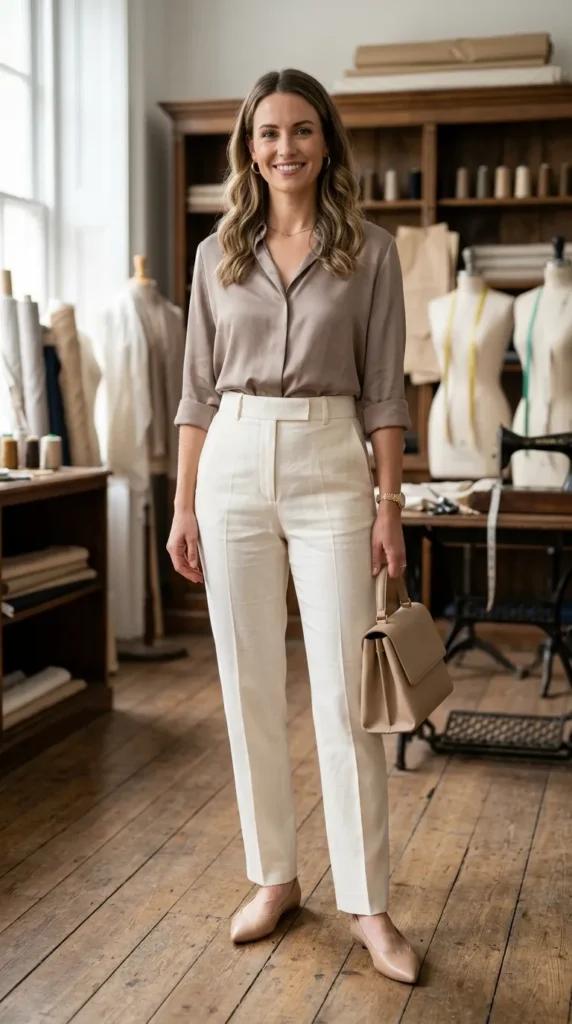
Taking in a waistband adjusts pants or skirts that fit well everywhere except around the waist, creating a genuinely custom fit without needing to size down entirely. This choice tends to suit a wide range of garment types and fabrics fairly easily. This approach requires very little extra time once you find a reliable tailor.
This alteration works especially well for thrifted or hand me down pieces with an otherwise great overall shape. A skilled tailor can adjust this seam without disrupting the surrounding design. It is worth trying on the piece together with your tailor before finalizing anything. It remains one of the most requested alterations among people rebuilding a wardrobe.
3. Cropping a Jacket or Sweater
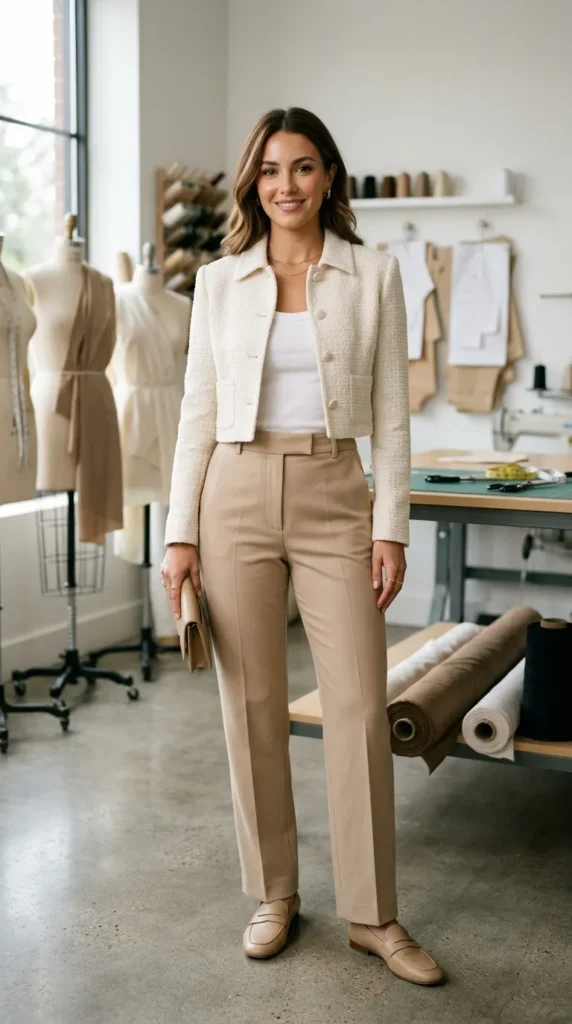
Cropping shortens the overall length of a jacket or sweater, updating an older silhouette into something that feels current and proportionally more flattering for modern styling. Most people adapt to this small change within just a wear or two afterward. This method has proven itself across many different fabric types and garment styles.
This alteration works well on pieces with an otherwise dated or overly long shape. Choose a hem finish that matches the original garment’s fabric weight and existing construction details. This detail often becomes the feature that people notice most about the finished piece. It offers a genuinely practical balance between cost and improved everyday fit.
4. Adding Darts for a Fitted Shape
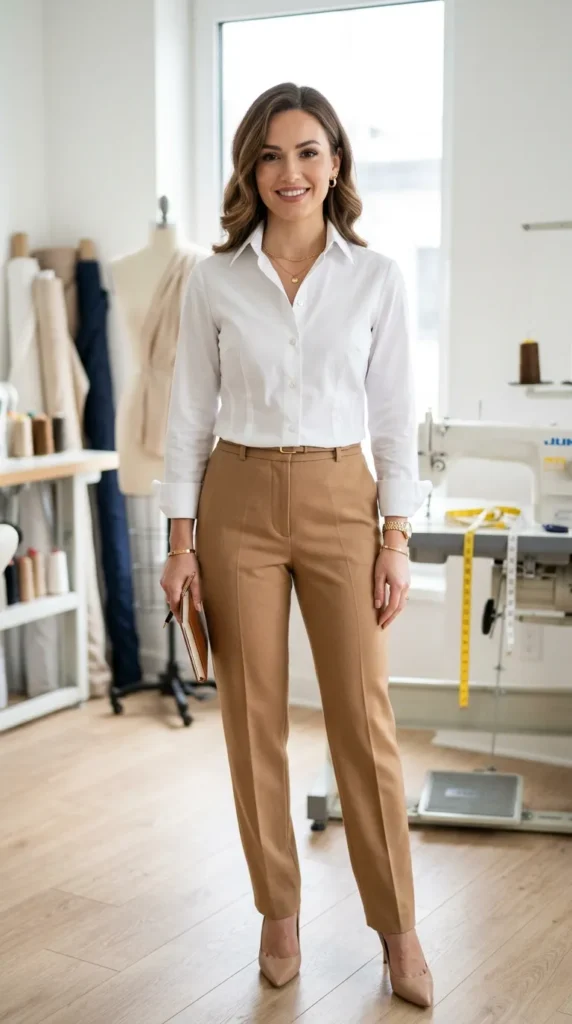
Adding darts introduces subtle shaping to a boxy or oversized garment, creating a more fitted silhouette through the waist or bust without altering the overall length. A quick fitting session ensures this alteration matches your expectations closely. This approach continues to be recommended by experienced tailors and stylists alike.
This technique works especially well on button down shirts and simple dresses. A skilled tailor can add darts nearly invisibly, preserving the original design while improving overall fit significantly. This choice reflects personal fit as much as it reflects practical everyday convenience. It suits both casual pieces and slightly more formal garments equally well.
5. Taking In Sleeves
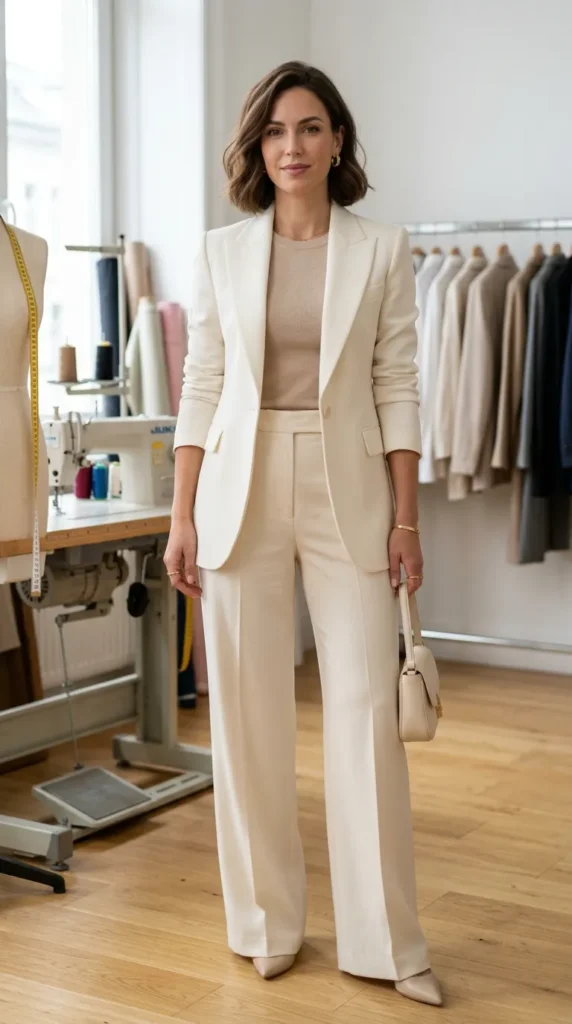
Taking in sleeves adjusts overly wide or baggy arm openings, creating a more fitted, proportional silhouette that suits the rest of a tailored garment more cohesively. It is an easy detail to incorporate without disrupting the rest of the garment. This method pairs naturally with most existing wardrobe pieces already in rotation.
This alteration works well on blazers, jackets, and structured tops specifically. Sleeve alterations require careful measurement to maintain comfortable movement while achieving a genuinely improved fit. This adjustment works especially well when paired with the right supporting technique. It remains a dependable choice regardless of the season or specific garment.
6. Adjusting Shoulder Seams
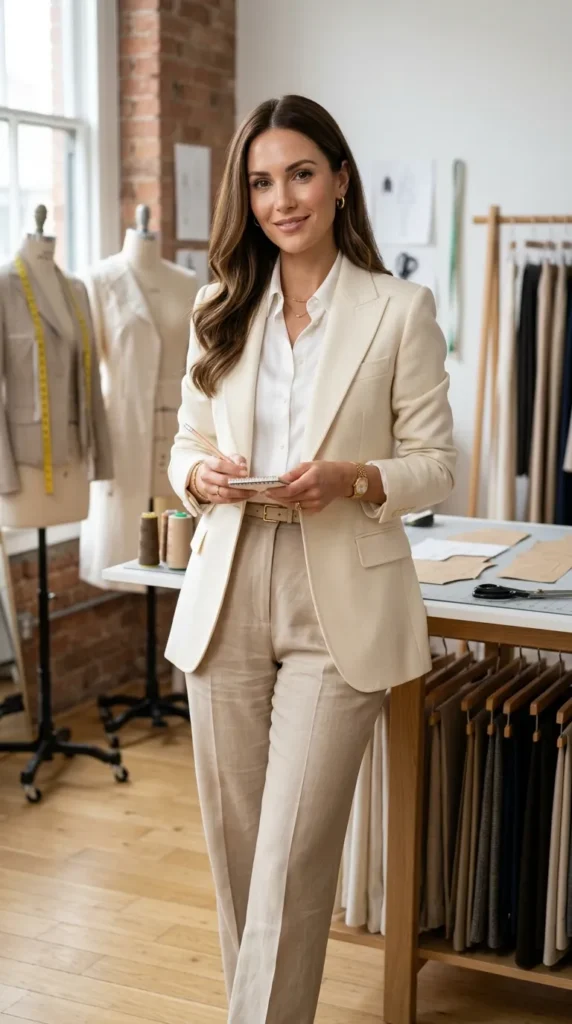
Adjusting shoulder seams corrects a jacket or blazer that fits well everywhere except across the shoulders, which is often the most difficult area to alter successfully. This is one of the easiest ways to personalize a garment without much extra cost. This approach has helped many people extend the life of favorite pieces significantly.
This alteration genuinely requires an experienced tailor, since shoulder seams involve multiple layers of structured fabric. When done well, this adjustment transforms how a jacket sits entirely. Most tailors can execute this adjustment within a completely normal appointment time. It offers flexibility that few other approaches to wardrobe building can genuinely match.
7. Converting Long Sleeves to Short
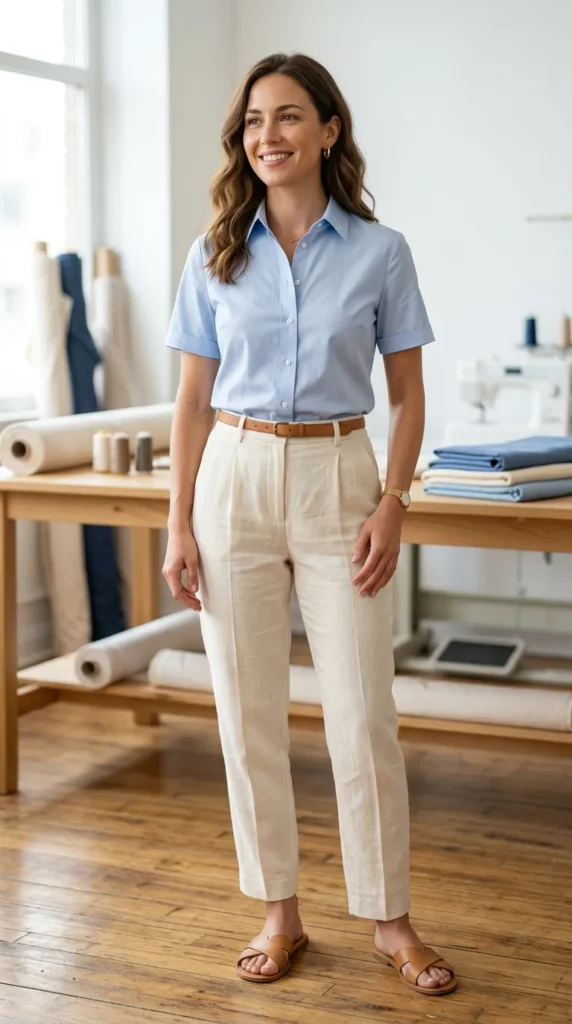
Converting long sleeves to short sleeves updates a seasonal piece for warmer weather, giving an existing garment genuine year round versatility rather than sitting unused half the year. It is worth mentioning this specific preference clearly during your very first fitting. This detail continues to be a favorite among people who value sustainable fashion choices.
This alteration works especially well on button down shirts and simple dresses. Choose a clean, finished hem that matches the original fabric weight for a polished, intentional result. This small customization often becomes a defining feature of the finished garment. It suits nearly every stage of rebuilding a more intentional, personal wardrobe.
8. Adding a Belt Loop or Waist Tie
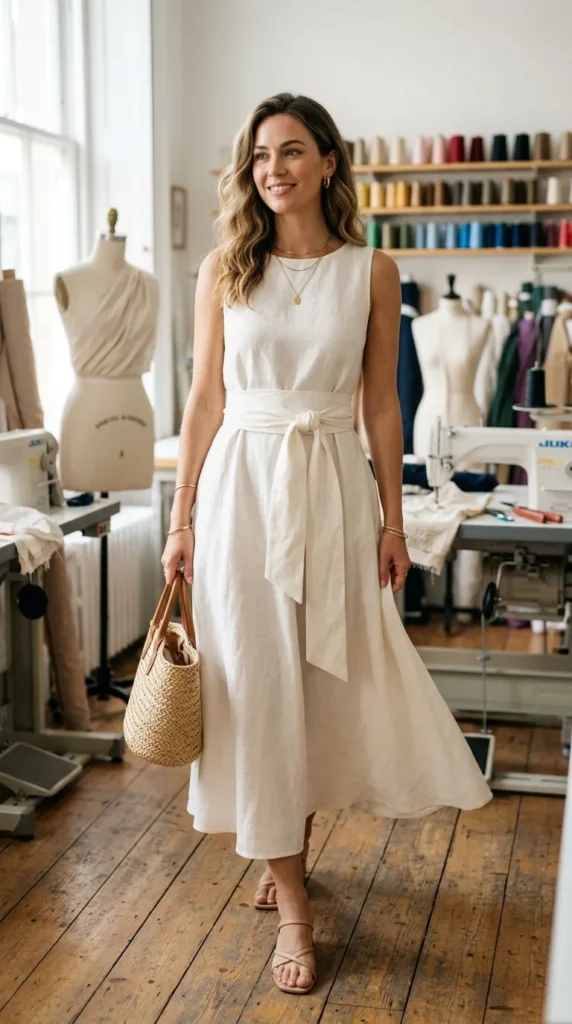
Adding a belt loop or fabric waist tie introduces shape and definition to a shapeless dress or top, creating a more flattering silhouette without altering the core garment. Bringing a clear reference photo to your tailor helps communicate this detail precisely. This approach rewards a little extra planning time before committing to any changes.
This alteration is relatively simple and can often be done at home with basic sewing skills. This small addition genuinely transforms how a loose garment reads overall. This approach genuinely rewards a bit of patience during the alteration process. It remains genuinely versatile across nearly every style preference and body type.
9. Turning a Dress into a Skirt
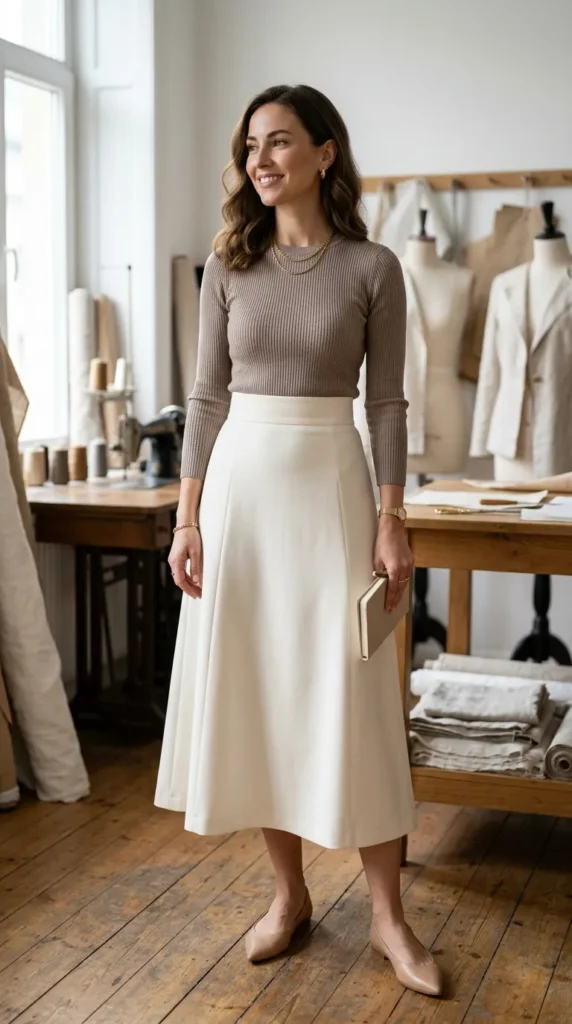
Turning an old dress into a skirt repurposes a piece that no longer fits well on top but still has genuinely flattering fabric and shape through the lower half. Most people find this particular element easy to maintain over regular wear. This method has stood out as a consistently smart choice for many people.
This transformation works especially well on dresses with a fitted waist and flowing lower half. A tailor simply removes the bodice and finishes the new waistband cleanly. This choice tends to hold up well through repeated washing and everyday use. It offers thoughtful customization in equal measure with practical everyday wearability.
10. Patchwork Repair and Design
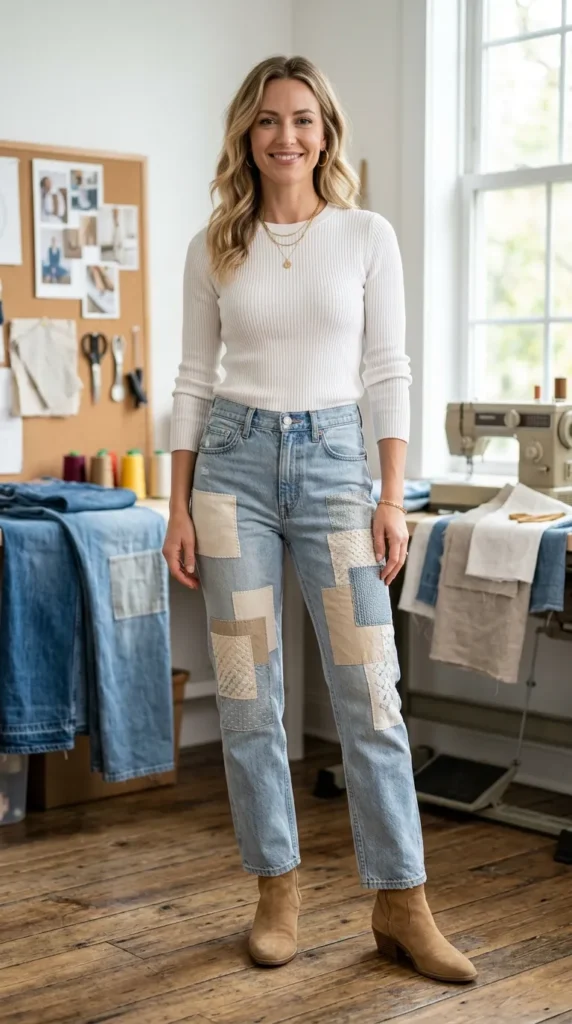
Patchwork repair covers holes or worn areas with coordinating fabric patches, turning a necessary repair into an intentional, decorative design element rather than hiding damage awkwardly. It is a small investment of time that pays off with lasting fit later.
This approach works especially well on denim and casual workwear pieces. Choose fabric patches that complement the original garment’s color palette for a cohesive, genuinely stylish result. This detail suits people wanting a slightly more personalized and considered final garment.
11. Embroidery Over Stains or Damage
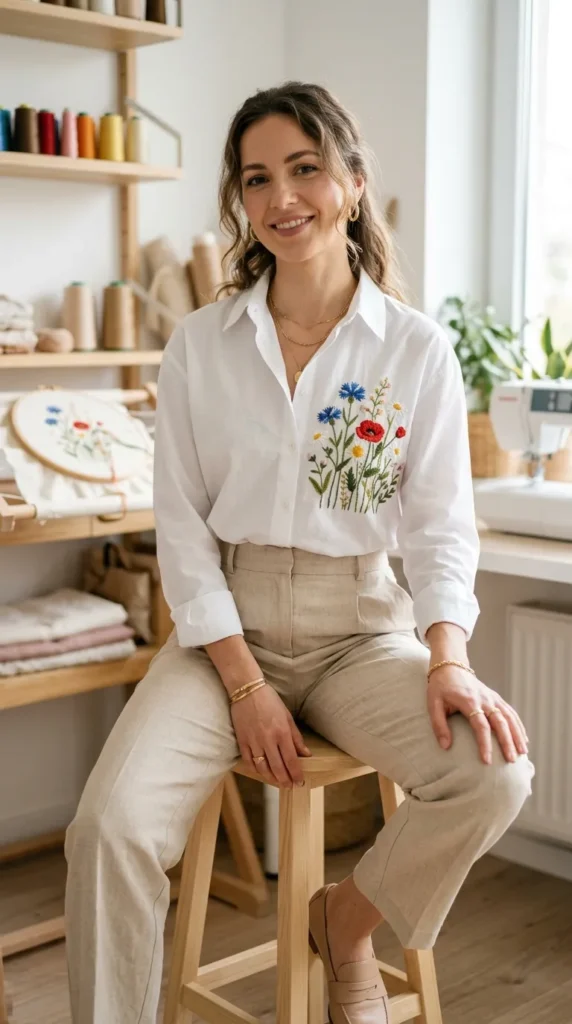
Embroidery covers small stains, holes, or worn spots with decorative stitching, transforming a flaw into a genuinely personalized design detail unique to that specific garment. A skilled tailor will naturally suggest this adjustment if it suits the garment well.
This technique works well on nearly any fabric type, though sturdier fabrics hold stitching more securely. Simple floral or geometric patterns are especially popular for this kind of repair. It is genuinely satisfying once the piece fits exactly the way you intended.
12. Reworking Oversized Shirts into Dresses
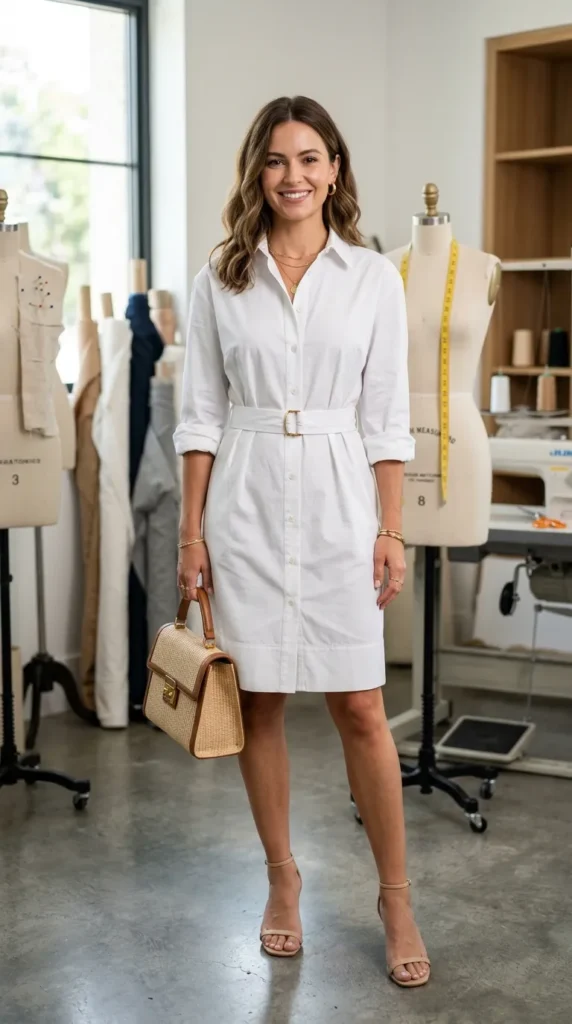
Reworking an oversized button down shirt into a dress adds length, shapes the waist, and transforms a piece that no longer suits daily wear into something fresh. This is a genuinely popular request among people restyling thrifted or vintage finds.
This alteration works especially well on men’s shirts found while thrifting. A tailor can add darts and adjust the hem to create a genuinely flattering, wearable new silhouette. This choice works particularly well when paired with the right supporting fabric choices.
13. Adding Lace or Trim Details
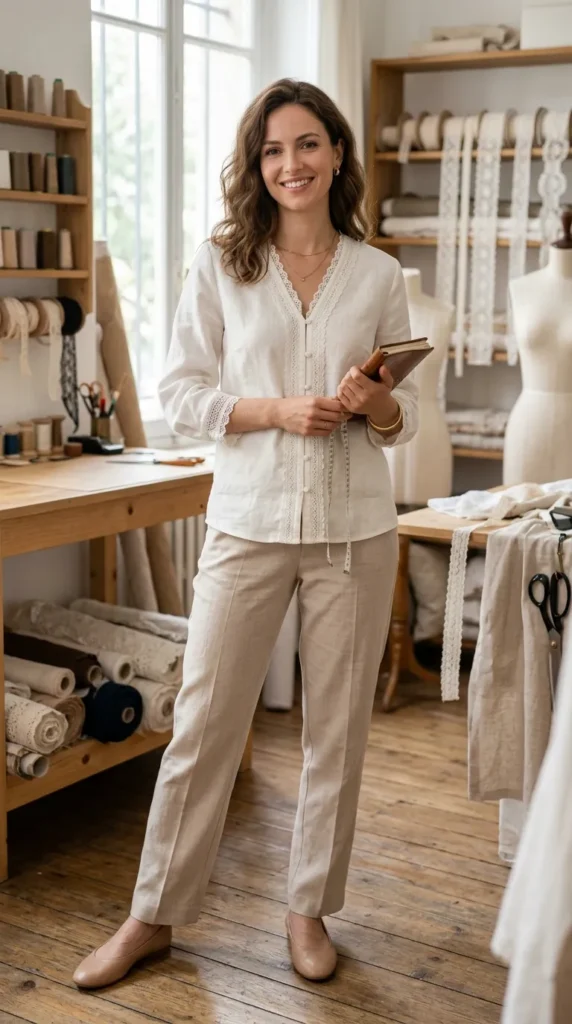
Adding lace or fabric trim to sleeves, hems, or necklines introduces a decorative detail that updates a plain garment into something more distinctive and personally styled. It generally requires no significant extra maintenance beyond normal garment care.
This alteration can often be done at home with basic hand sewing skills. Choose trim that complements the original fabric weight and existing color palette for a cohesive result. This option is worth considering seriously before deciding to discard an ill fitting piece.
14. Dyeing to Refresh Faded Pieces
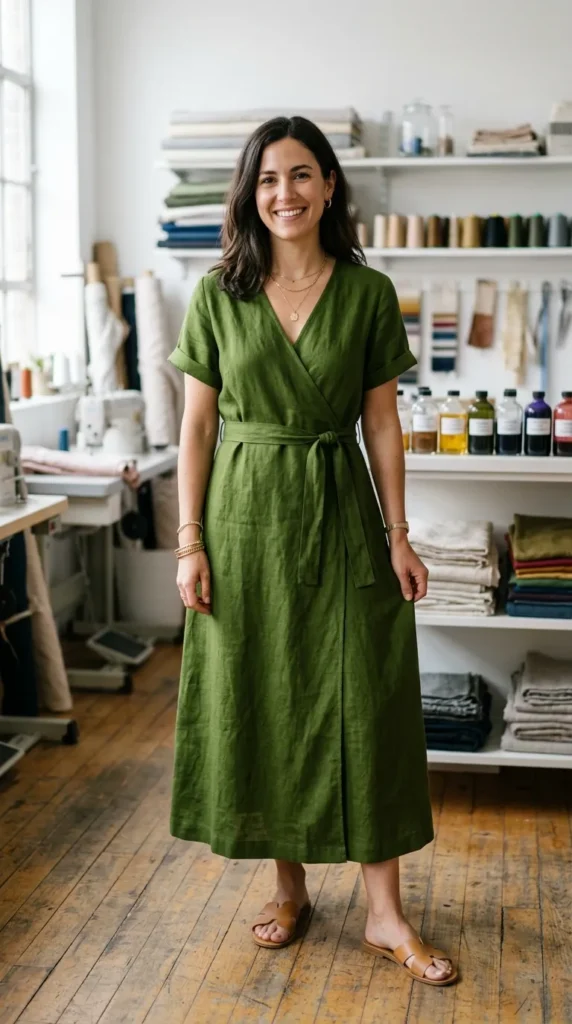
Dyeing revives faded or discolored clothing, restoring rich color to a garment that otherwise still fits and functions perfectly well within your existing wardrobe rotation. This choice tends to hold up particularly well through frequent everyday wear and washing.
This technique works best on natural fiber fabrics like cotton and linen. Following dye instructions carefully ensures even, consistent color across the entire garment without noticeable blotching. It adds a layer of thoughtfulness that elevates the entire garment noticeably.
15. Adjusting Pant Legs to Different Silhouettes
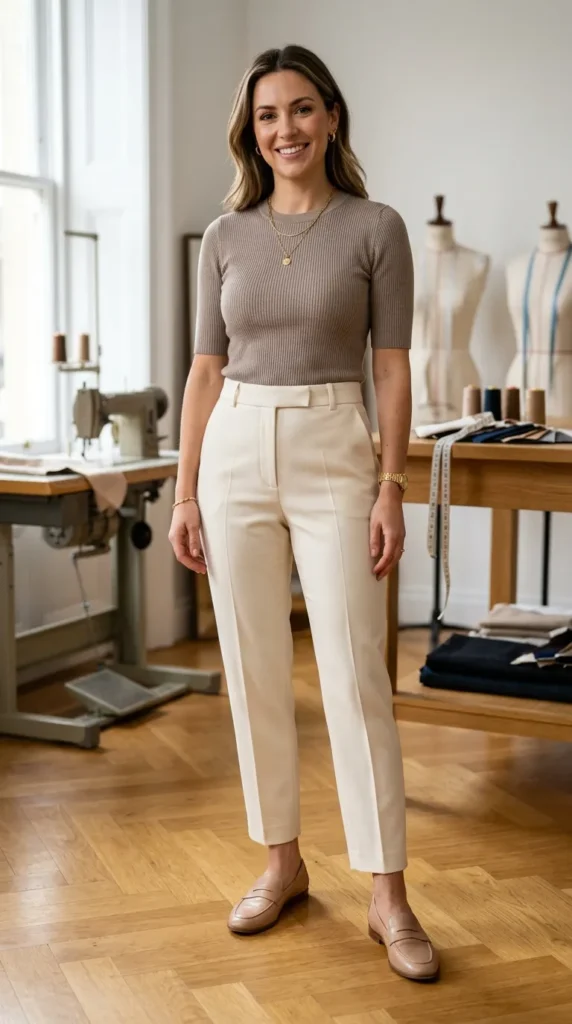
Adjusting pant legs, whether tapering wide legs or adding fabric to create a wider silhouette, updates an older pair of pants into a genuinely current shape. A quick consultation with your tailor ensures this detail matches your expectations exactly.
This alteration requires careful pattern matching, especially on patterned or textured fabrics. A skilled tailor can transform the overall silhouette while preserving the original waistband and pockets. This small customization is one of the easiest ways to personalize a classic piece.
16. Removing or Adding Shoulder Pads
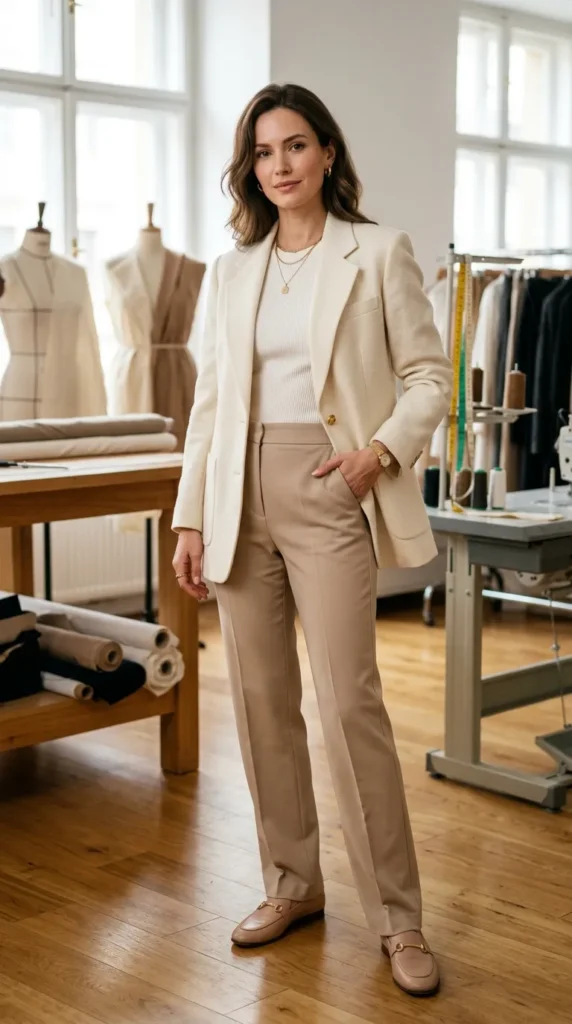
Removing outdated shoulder pads updates an older blazer or jacket into a more modern, streamlined silhouette that suits current styling trends far more naturally. It is worth requesting this specifically if it is not already part of the garment.
This alteration is relatively simple and often reversible if done carefully. Removing structured padding genuinely transforms how a vintage piece integrates into a modern everyday wardrobe. This detail often makes a genuinely noticeable difference in how the piece ultimately fits.
17. Customizing Denim with Distressing
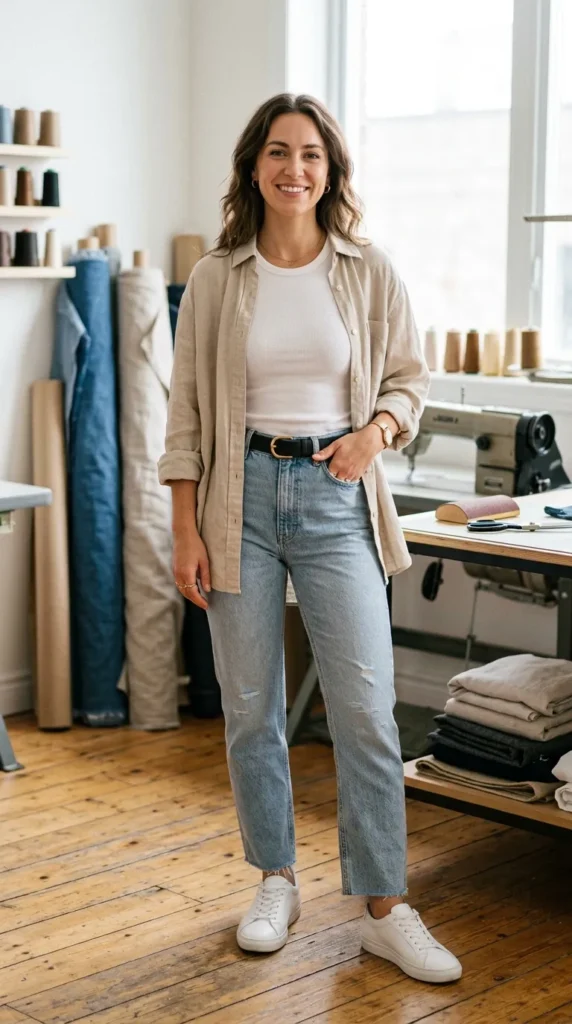
Customizing denim through intentional distressing, fraying, or patch placement creates a genuinely personalized piece that feels distinct from anything available directly off a store shelf. Most people grow to appreciate this adjustment more with each passing wear.
This technique works well on jeans, jackets, and skirts specifically. Sandpaper, scissors, and careful hand fraying create natural looking wear in exactly the spots you choose. It is worth trying even if you feel a little uncertain about it at first.
18. Altering Clothing for Sustainability
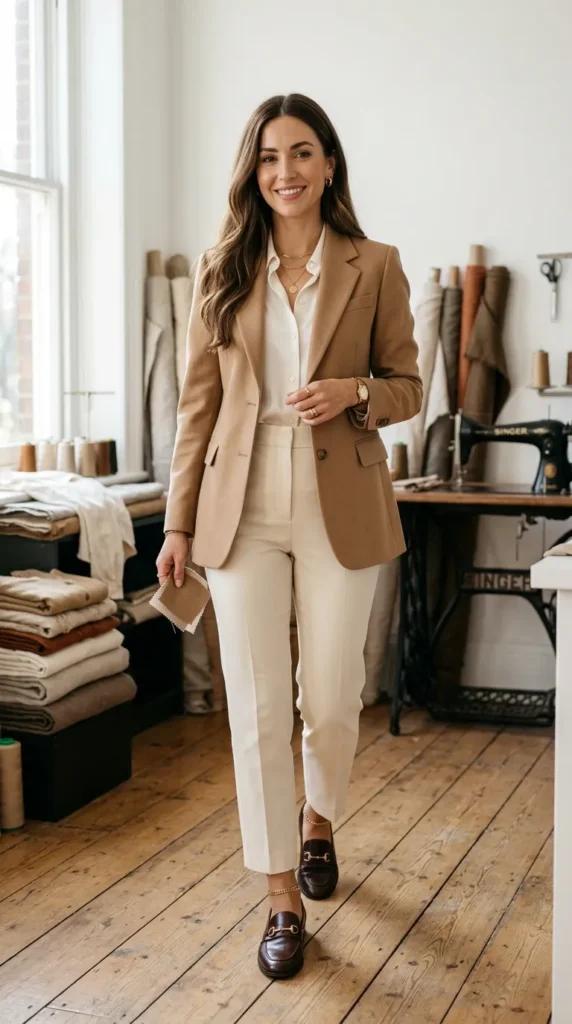
Choosing alteration over replacement genuinely extends the life of existing garments, reducing waste while building a wardrobe filled with pieces that fit and feel authentically yours. This choice pairs naturally with most existing pieces already in your wardrobe.
This mindset shift changes how you approach an ill fitting piece entirely. Considering alteration first, before discarding a garment, genuinely supports a more sustainable personal style overall. It remains a dependable option regardless of the specific garment or occasion.
19. Finding Your Alteration Tailor
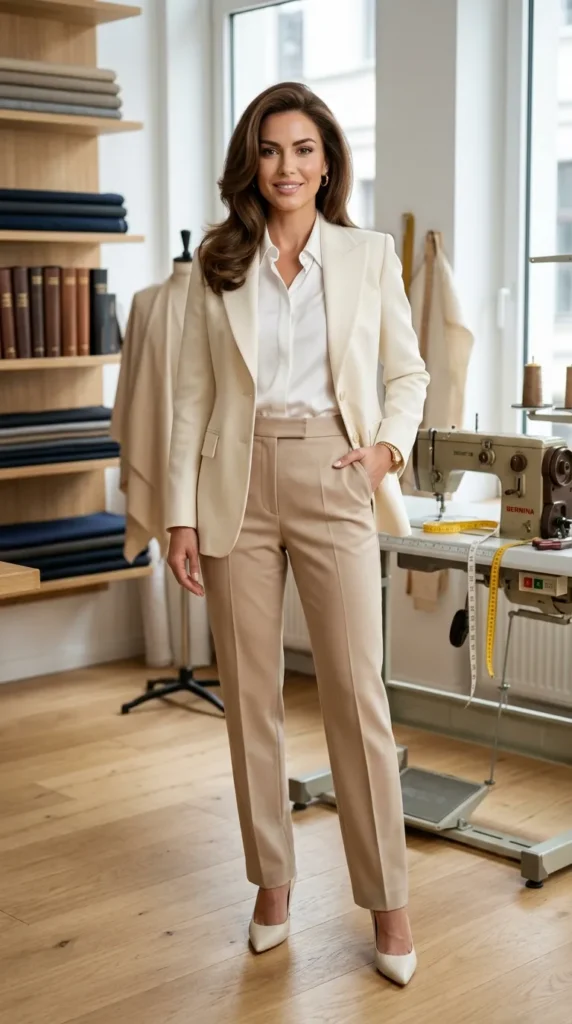
Finding a tailor experienced with the specific type of alteration you need matters significantly, since certain adjustments require genuine skill and specialized technique to execute well. This approach has stood the test of time across many different alteration projects.
Look for tailors who show similar alteration work in their portfolio or reviews. An experienced tailor understands how to improve fit while preserving a garment’s original character. It offers a genuinely practical balance between cost, fit, and personal style.
Making Altered Clothing Work For You
Altered clothing is a genuinely smart, sustainable approach to building a wardrobe that fits and feels authentically yours. The techniques involved can be adapted for nearly any garment type and personal style preference when approached thoughtfully. The investment in alteration often costs less than replacing a piece entirely, while delivering a genuinely superior, custom feeling result.
Altered clothing reflects a quiet, intentional approach to personal style. Choose a skilled tailor, communicate clearly about the fit and shape you want, and enjoy the lasting satisfaction of a genuinely well altered garment that fits exactly right every single time.