15 Runway Fashion Trends You’ll Love
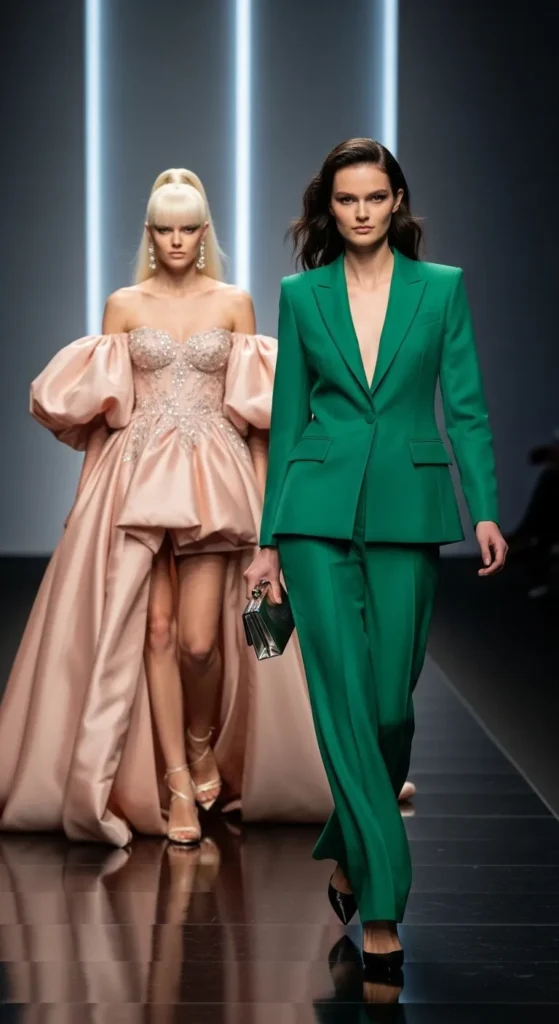
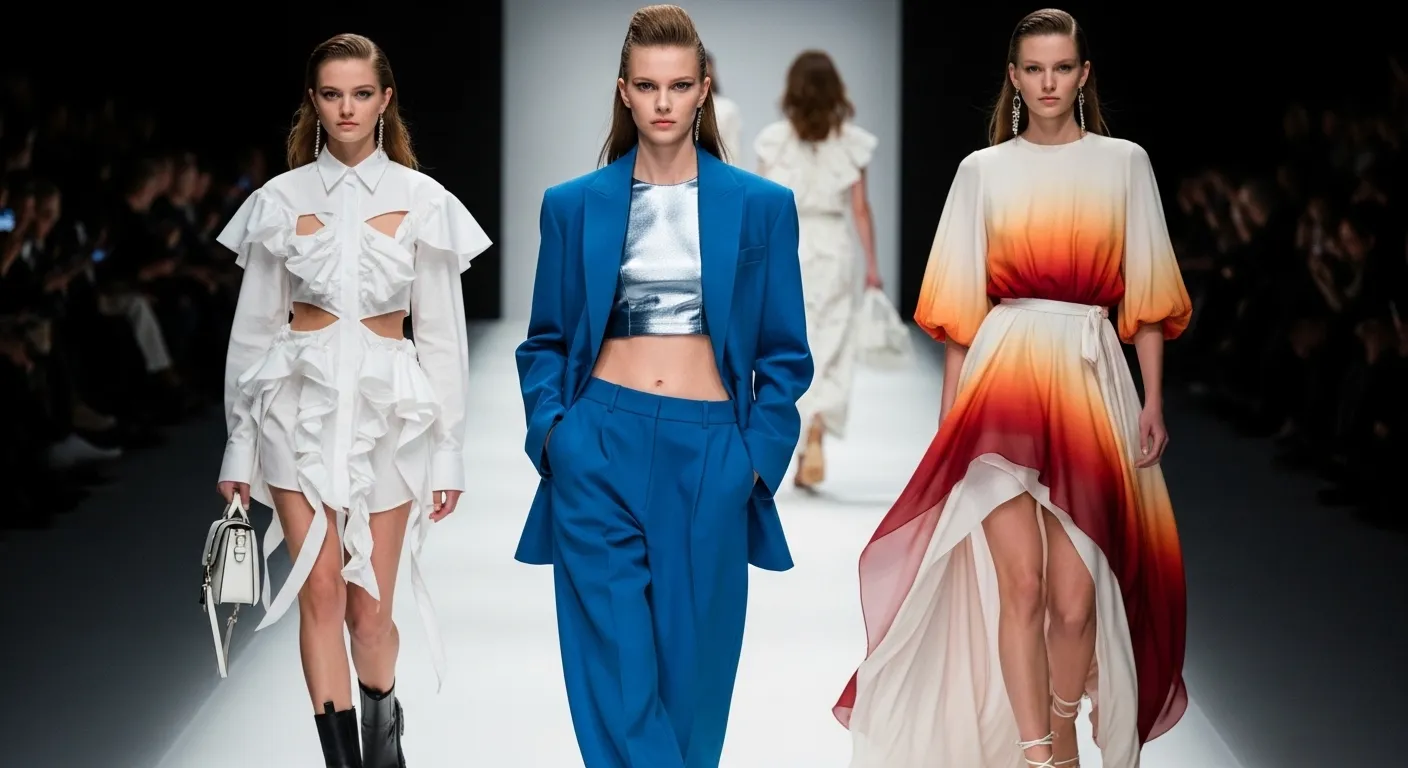
There is a particular kind of excitement that happens twice a year in the fashion world. The lights go down. The music starts. And one by one, down a runway that might be a Parisian garden or a New York warehouse or a Milan palazzo, the clothes appear — worn by women moving with a deliberate, unhurried confidence that makes everything they are wearing look like the most natural thing in the world.
Runway fashion is often described as unwearable. Too extreme. Too conceptual. Too far removed from the reality of ordinary dressing to be relevant to anyone who does not attend the shows personally or inhabit the narrow world of professional fashion.
That description is wrong. Or rather it is incomplete. Because what the runway actually does — what it has always done — is show the rest of the fashion world where ideas are going. The extreme version of an idea appears on the runway. The wearable version arrives in stores six months later. And the woman who paid attention to the runway already knows what is coming — which means she is always ahead rather than catching up.
These 15 runway fashion trends are the ones that have crossed that line — from pure runway concept to genuinely lovable, genuinely wearable ideas that will make your wardrobe more interesting, more current, and more completely your own.
1. Quiet Luxury Gets Louder
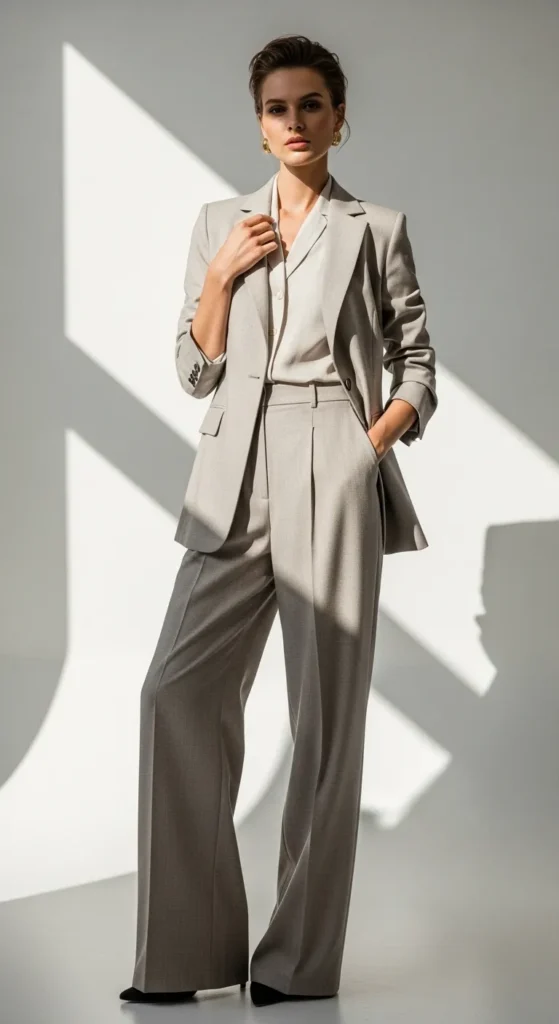
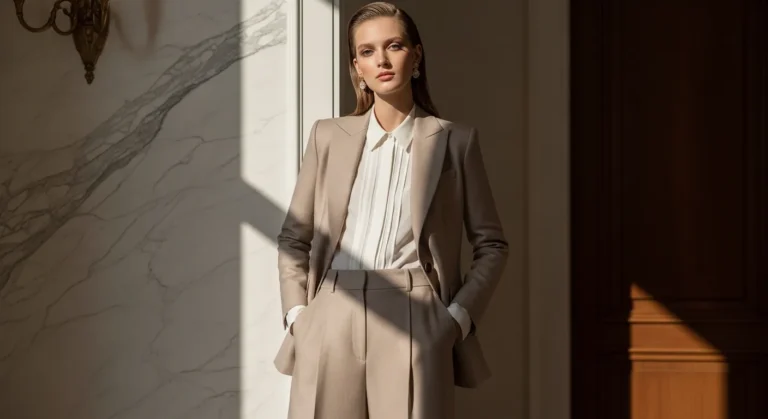
Quiet luxury has been the dominant fashion conversation for the past few seasons and the runways have not abandoned it — but they have evolved it in a direction that is genuinely exciting. The muted palettes and understated silhouettes remain. What has changed is the addition of one deliberate moment of visual impact within an otherwise restrained look.
A single oversized lapel on an otherwise classic blazer. A dramatically wide trouser leg on an otherwise simple suit. A fluid silk blouse in a rich jewel tone worn with the most neutral possible trousers. Quiet luxury with one loud decision — and that decision is always precise, always intentional, and always completely in control.
The runway message is clear. Understated dressing does not mean boring dressing. It means dressing where every element has been considered so carefully that even the most dramatic choice feels inevitable rather than excessive.
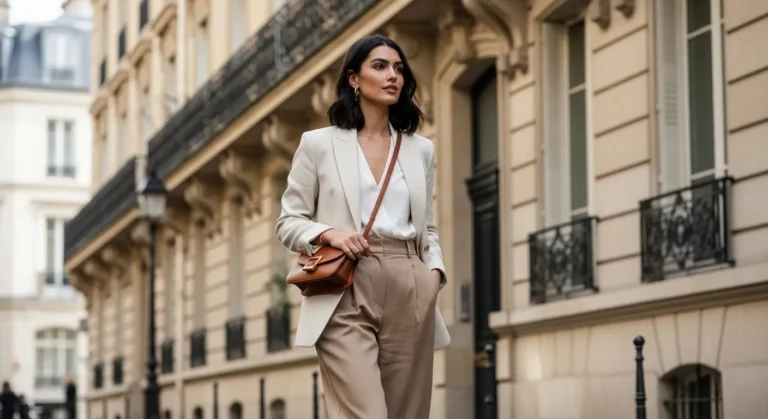
How to wear it: Start with a foundation of quality neutral basics — tailored trousers, a cashmere sweater, leather loafers — and introduce one single element of deliberate drama. One piece, one decision, complete commitment.
2. The Return of the Trench Coat — Reinvented
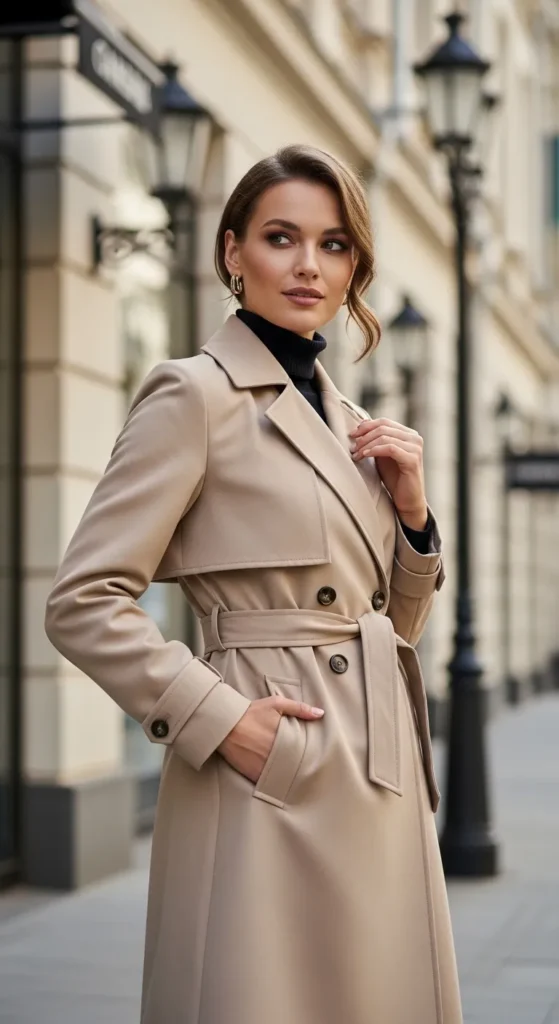
The trench coat has never actually left — but what the runways are showing right now is a version of the trench that takes its classic proportions and pushes them just far enough to feel completely new without abandoning what made the original so enduring.
Oversized shoulders on an otherwise classic silhouette. A trench coat in an unexpected color — deep burgundy, warm camel pushed to the edge of orange, a muted sage green that should not work and completely does. A trench coat in leather rather than gabardine. A trench coat with dramatic lapels that reframe the face in the most striking way possible.
Each of these variations takes the iconic garment and applies one moment of creative intervention — enough to make it feel current and individual while preserving the heritage quality that makes the trench coat one of fashion’s most enduring and most beloved pieces.
How to wear it: Find the trench coat variation that speaks most directly to your personal aesthetic and wear it with the most classic possible foundation beneath — dark jeans, a white tee, simple leather shoes. Let the reinvented trench do all the creative work.
Explore wearable trends in 14 Spring Fashion Trends to Watch in 2026.
3. Volume at the Sleeve
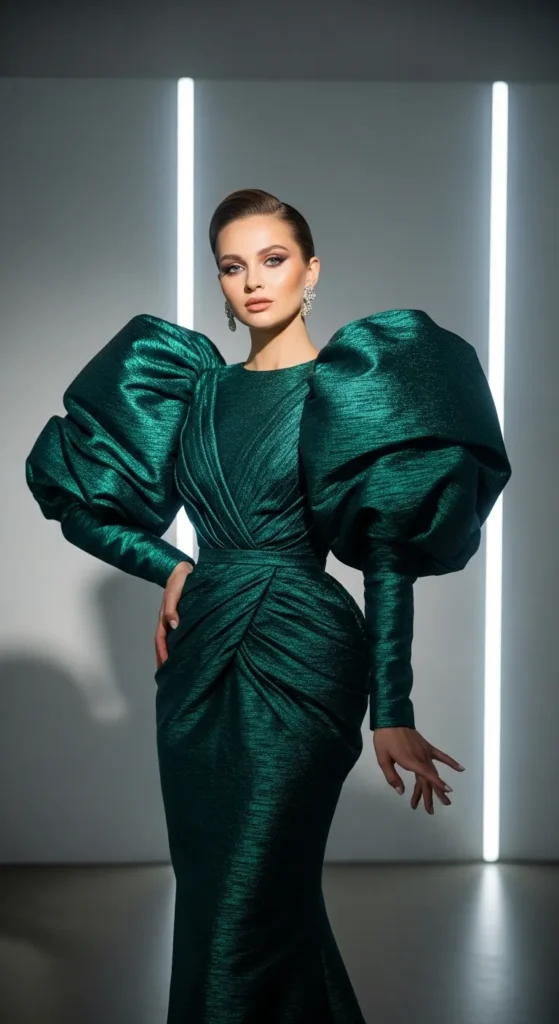
If there is one silhouette detail that has moved from runway concept to genuine street style reality with more speed and more enthusiasm than almost any other in recent seasons it is dramatic sleeve volume. Puff sleeves. Bell sleeves. Bishop sleeves. Balloon sleeves so dramatically proportioned that they require a certain physical confidence to navigate through the world.
The runways have been exploring sleeve volume as a form of sculptural fashion — treating the sleeve as an architectural element of the garment rather than simply a functional covering for the arm. The result is a category of tops, blouses, and dresses that create genuinely dramatic, genuinely beautiful silhouettes from the shoulder to the cuff.
The wearable version of this trend — the one that looks exciting rather than theatrical in everyday contexts — is more moderate in its volume. A slightly puffed shoulder that adds structure and drama without requiring a staircase to navigate. A bell sleeve that opens elegantly rather than dramatically. These are the versions that appear in people’s wardrobes and stay there for years because they are genuinely interesting without being genuinely impractical.
How to wear it: Volume at the sleeve works best when balanced by simplicity below. Keep trousers or skirts clean and slim when wearing statement sleeves — the proportion contrast is what makes the silhouette work rather than overwhelm.
4. Sheer and Layered Dressing
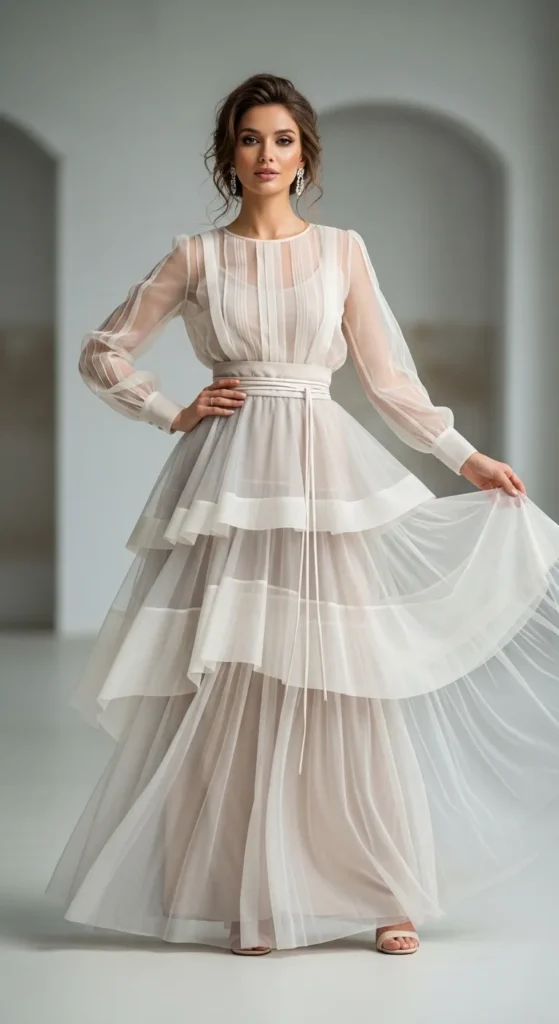
Sheer fabric has been building on the runway for several seasons — but the version currently generating the most genuine excitement is not the bare, revealing sheer of shock-value dressing but the layered, complex sheer that creates depth and dimension through the relationship between what is visible and what is suggested.
A sheer blouse worn over a quality bralette or fitted tank. A sheer maxi skirt layered over tailored trousers or fitted shorts that peek through the fabric at every step. A sheer dress worn over a slip of a different color — the two layers creating a tonal combination that neither alone could achieve.
This version of sheer dressing is creative rather than provocative. It rewards attention with complexity — the more carefully you look at the outfit, the more interesting it becomes. Which is a quality that the best runway fashion always possesses and that translates beautifully into real wardrobes for real women with genuine creative confidence.
How to wear it: Begin with a sheer layer you genuinely love and work backward from there — building the underlayer in colors and fabrics that complement and enhance the sheer piece rather than simply providing coverage.
5. Elevated Denim
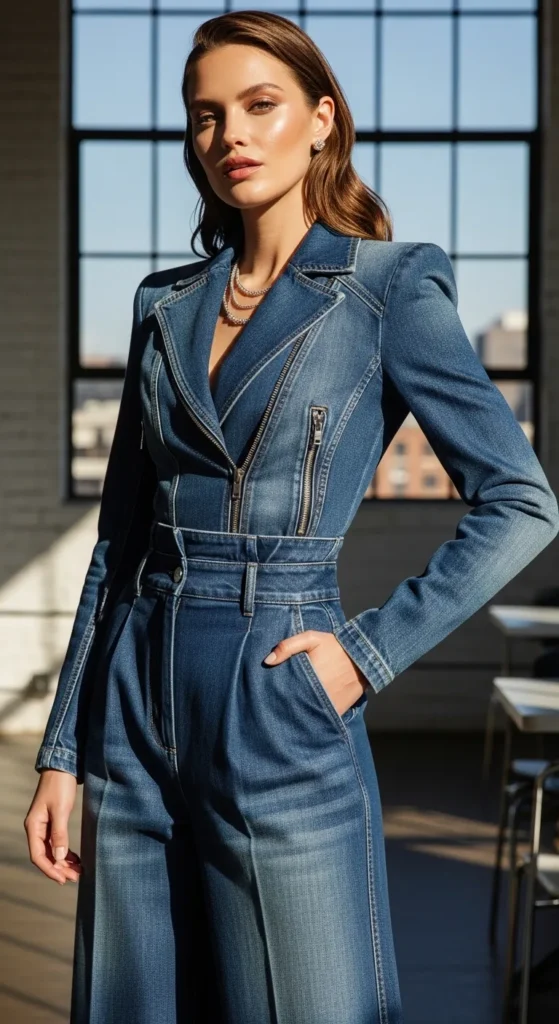
Denim has been appearing on runways in increasingly elevated and inventive forms — and the most exciting version of this trend is the one that takes denim’s democratic, working-class heritage and treats it with the same level of design intelligence and craft attention that high fashion applies to silk and cashmere.
Wide-leg denim trousers in a quality fabric with a precise, architectural cut that falls with the same authority as tailored wool trousers. A denim blazer in a refined wash with subtle embroidery at the collar and cuffs. A denim midi skirt with a clean A-line silhouette that belongs as much in a gallery opening as on a weekend street.
The runway message about denim right now is that the fabric deserves to be treated as seriously as any other — that the right cut, the right wash, and the right styling can make denim one of the most sophisticated fabrics in the wardrobe rather than simply the most casual one.
How to wear it: Elevated denim works best when paired with pieces that honor its elevation — a silk blouse, quality leather shoes, thoughtful jewelry. Treat your elevated denim pieces with the same respect and styling attention you give your most polished clothes.
6. The Power of the Waistcoat
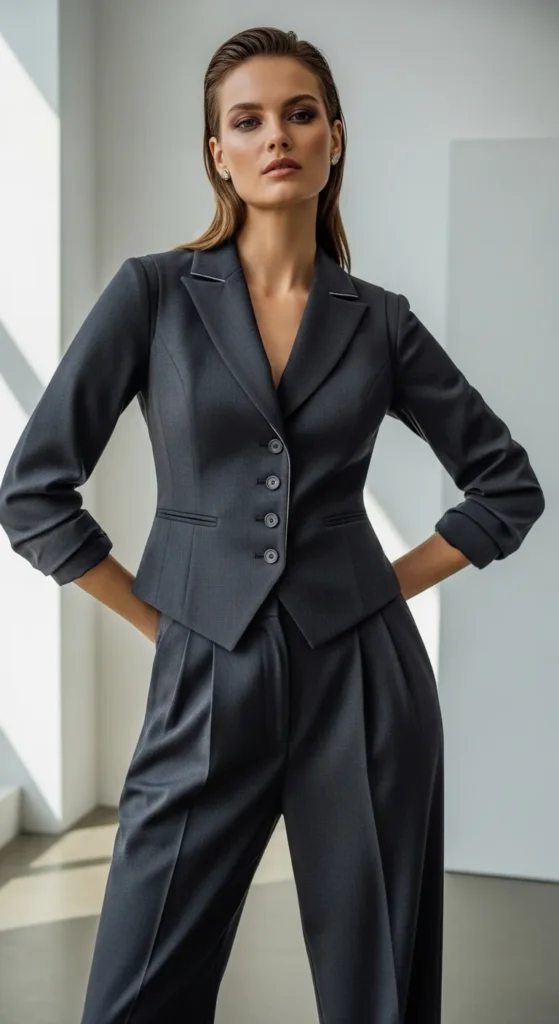
The waistcoat — or vest, depending on your side of the Atlantic — has emerged on runways as one of the most versatile and most genuinely exciting pieces of the current fashion moment. Worn over everything. Over shirts and blouses. Over turtlenecks and dresses. Over absolutely nothing as a top in its own right.
Designer waistcoats right now come in a range of fabrics that go far beyond the traditional suiting fabrics of their origin — silk waistcoats with beautiful drape, leather waistcoats with a confident edge, knit waistcoats that combine the structure of the vest silhouette with the texture and warmth of knitwear.
The waistcoat works because it creates a waist. Because it layers without adding sleeve bulk. Because it brings a tailoring reference into casual looks that gives them an unexpected note of structure and intention. And because it works over literally everything — which in a fashion world that values versatility as deeply as it currently does makes it close to essential.
How to wear it: A tailored waistcoat over a crisp white shirt with straight-leg trousers is the most classic expression. A silk waistcoat over a simple midi skirt is a more creative one. Both are correct — which is exactly what makes this trend so lovable.
7. Maximalist Print Mixing
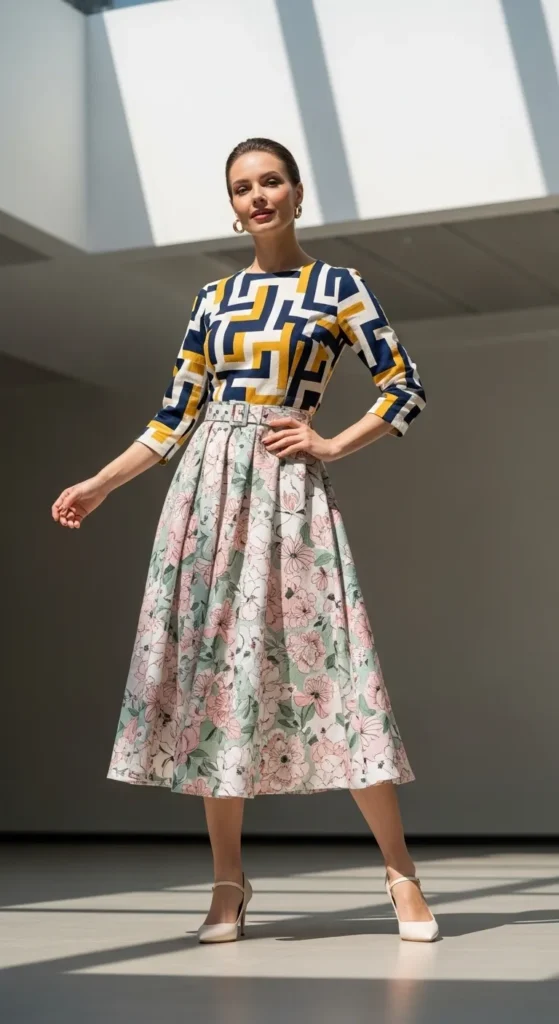
After seasons of quiet luxury and restrained neutral dressing, the runways have issued a counter-statement in the loudest possible visual language. Print mixing — not the careful, same-color-family version that stylists have always endorsed as the safe approach — but genuine, fearless, maximalist print mixing. Florals with geometrics. Stripes with abstracts. Bold plaids alongside equally bold paisley.
The runway version of this trend requires genuine color and pattern confidence — the ability to look at two seemingly incompatible prints and see the relationship between them that makes them work together. It is not chaos. It is informed, considered maximalism that knows exactly what it is doing and does it with complete commitment.
The wearable version begins more modestly — two prints that share at least one color, in fabrics with similar visual weight. But even this more accessible version carries the energy and joy of the full runway statement. It communicates that the woman wearing it is not afraid of fashion. That she plays with it. That she takes genuine pleasure in the act of putting things together.
How to wear it: Start with a print you already own and love. Find a second print that shares at least one of its colors. Wear both together with confidence and see what happens. The worst outcome is an interesting experiment. The best outcome is the most exciting outfit you have worn in years.
8. Sculptural Minimalism
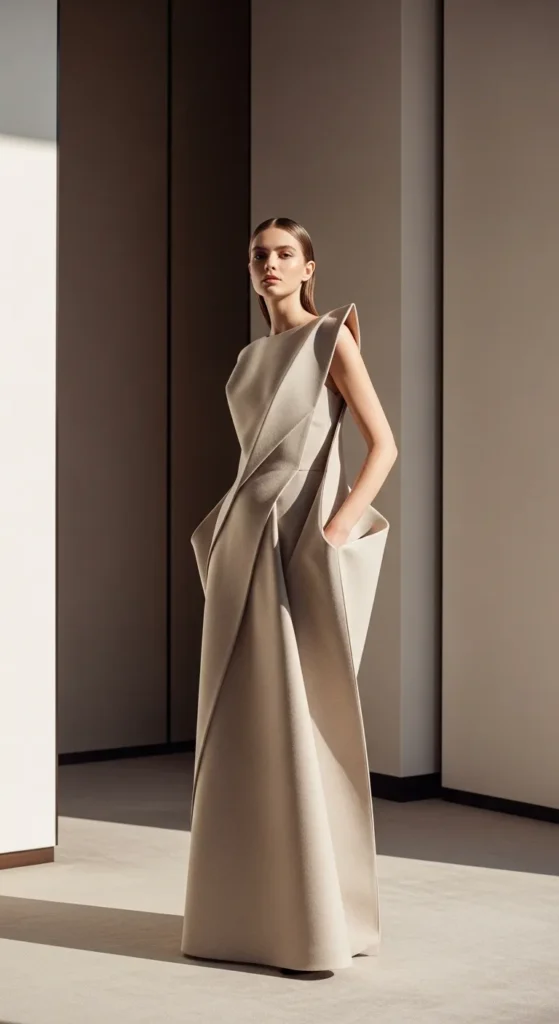
While maximalism has its runway moment, the counter-movement is equally strong and equally beautiful. Sculptural minimalism — fashion that takes simple, neutral, unembellished garments and pushes their construction and silhouette into something that reads as architectural and genuinely artistic.
A white dress with a single dramatic fold at the hip that creates a sculptural shadow. A black trouser with a curved hem that behaves differently in motion than at rest. A beige blouse with a neckline so precisely constructed that it frames the face like a painting frame frames a painting.
These are pieces that look simple from a photograph and reveal their intelligence up close — in the precision of the construction, the quality of the fabric, the specific decisions that make the garment move the way it does and sit the way it sits. Sculptural minimalism is fashion for people who look closely. Who notice the details. Who appreciate intelligence expressed quietly.
How to wear it: One sculptural piece per outfit, maximum. Surround it with the most simple, most neutral, most unobtrusive pieces in your wardrobe and let the construction do everything it was designed to do.
9. Reimagined Suiting
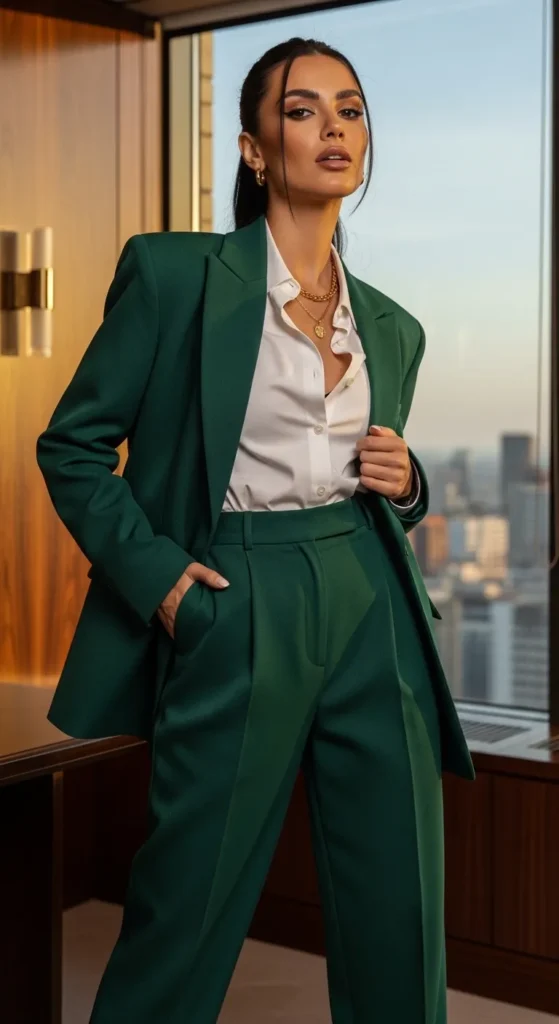
Suiting has been one of the most consistently exciting categories on the runway for the past several seasons — and the reason is that designers have collectively decided that the rules of traditional suiting are worth examining carefully and worth breaking strategically.
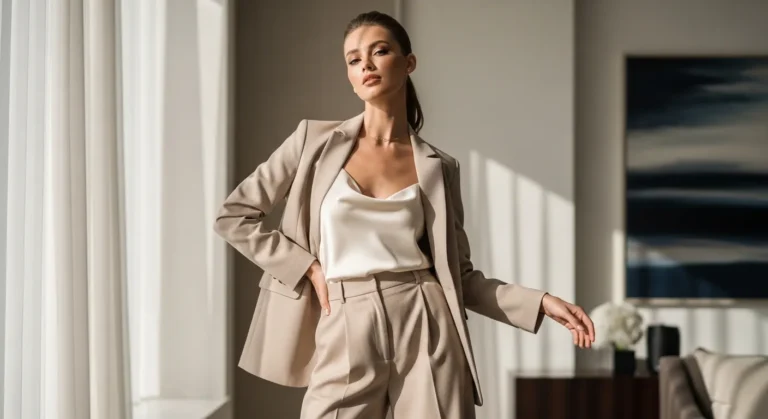
Blazers worn as dresses. Suit trousers paired with completely unexpected tops — delicate lace blouses, simple bikini tops, dramatic off-shoulder knits. Suits in fabrics that have no historical relationship with tailoring — velvet suiting in jewel tones, satin suiting in warm metallics, linen suiting in surprising summer colors.
The underlying message is that suiting is a silhouette language — and like all languages it can be used to say things that its original form never intended. The structure and authority of the suit can be applied to any fabric, any occasion, any styling context. And the results of that application — when done with genuine creativity and genuine confidence — are consistently stunning.
How to wear it: Take one element of traditional suiting — a blazer, a waistcoat, a pair of tailored trousers — and pair it with something from a completely different aesthetic world. The contrast between the formal and the unexpected is where reimagined suiting lives.
10. The Comeback of Crochet
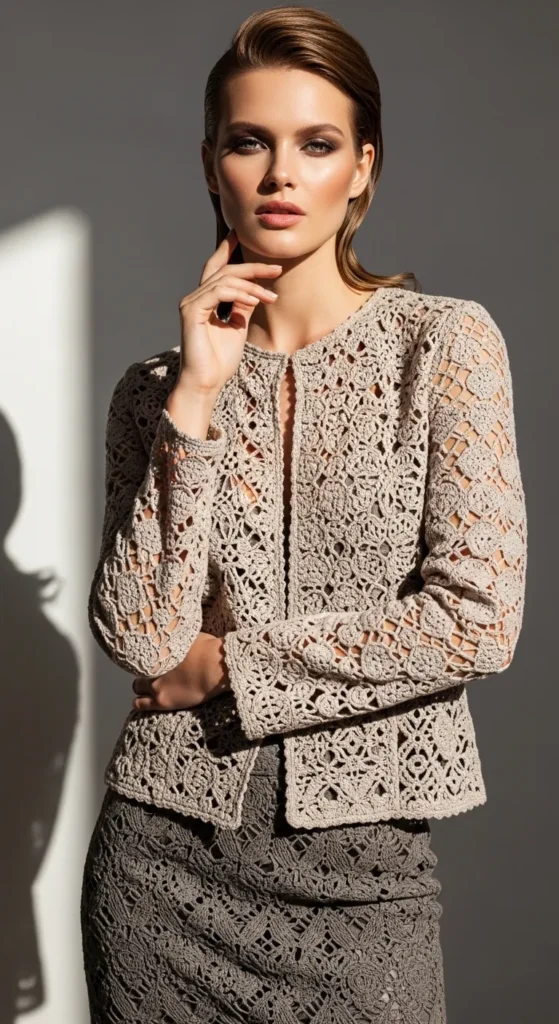
Crochet has been building on runways for a while now and it shows absolutely no signs of stopping — because designers keep finding new ways to use this ancient textile technique that feel genuinely fresh and genuinely contemporary rather than nostalgic or craft-fair adjacent.
Full crochet dresses with architectural precision in their pattern design. Crochet blazers that take the structured silhouette of the jacket and render it in an open, textile-rich fabric that transforms the garment into something between clothing and sculpture. Crochet trousers that pair the casual, handmade quality of the textile with the formal authority of the trouser silhouette in a combination that should not work and absolutely does.
The runway crochet moment is not the beachy crochet coverup that summer fashion has always had. It is something more elevated — more carefully designed, more ambitiously constructed, more deliberately positioned within a fashion conversation that takes the technique seriously as an art form.
How to wear it: A crochet piece works best when paired with simple, solid basics that give the texture of the crochet the visual space it needs to be fully appreciated. A crochet top over dark straight-leg jeans. A crochet skirt with a simple fitted tank. Let the crochet breathe.
11. Bold Shoulders
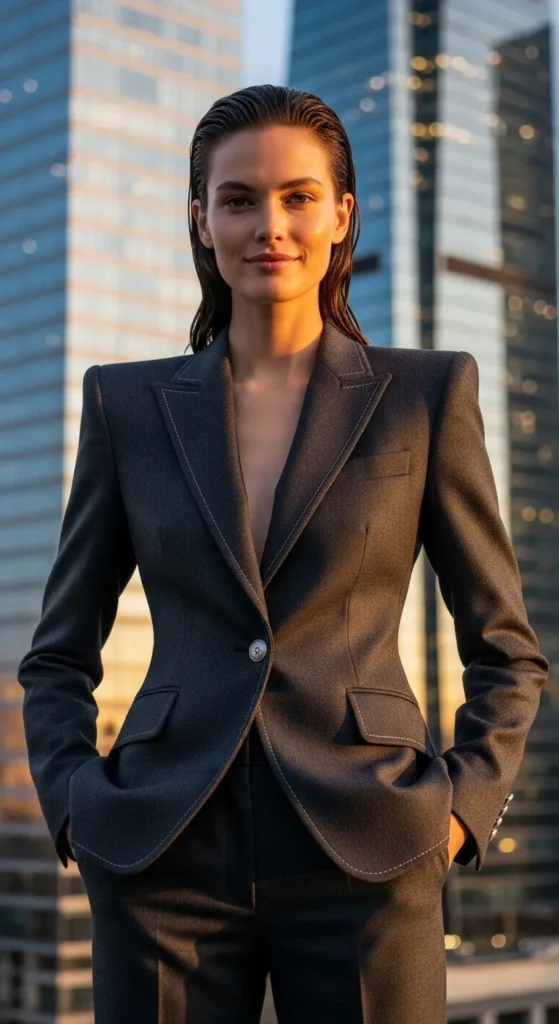
Shoulder drama has returned to the runway with a confidence and an authority that makes its previous iterations look modest. Not the exaggerated, caricature shoulder of 1980s power dressing — but a modern, more refined version of shoulder construction that adds genuine structure and drama to a silhouette without making the wearer look like they are dressed for a period film.
A blazer with a shoulder pad that adds height and breadth in precise, deliberate proportion. A coat with a dramatic dropped shoulder that creates a completely different silhouette than the standard set-in sleeve. A dress with a structured, slightly extended shoulder line that changes the entire way the garment drapes and moves.
Bold shoulders communicate something that fashion has always understood — that the shoulder line is the foundation of any silhouette and that manipulating it deliberately and skillfully is one of the most powerful tools in the designer’s entire toolkit.
How to wear it: Bold shoulders work best with a narrow, fitted silhouette below — slim trousers or a pencil skirt that creates a clear contrast with the width of the shoulder. The proportional conversation between wide top and narrow bottom is where the drama of this trend lives.
Discover practical fashion ideas in 15 Fashion Tips for Effortless Style
12. The Mini Skirt Returns — Differently
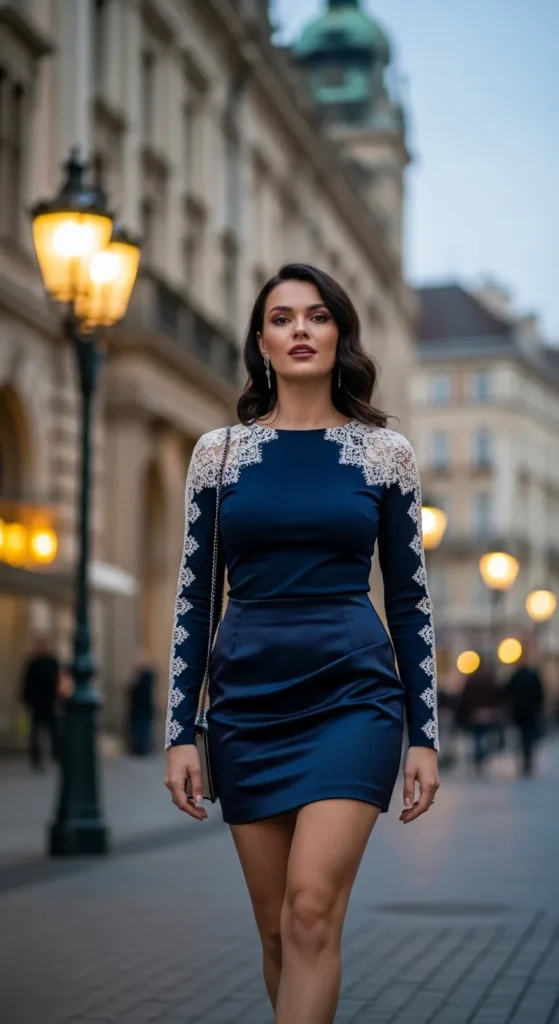
The mini skirt has returned to the runway — but not in the way that previous mini skirt revivals have presented it. This is not the nostalgic mini of mod 1960s dressing or the provocative mini of 1990s club culture. This is the mini skirt as a piece of genuinely contemporary, genuinely sophisticated fashion — worn with the confidence of a woman who has decided this is what she wants to wear today and requires no justification for that decision.
On the runway the mini skirt appears in unexpected fabrics and unexpected pairings. A leather mini with an oversized blazer. A pleated wool mini with a fitted turtleneck and knee-high leather boots. A denim mini with a tailored waistcoat and oxford shoes. Each pairing takes the mini skirt out of the context of pure leg-display dressing and puts it in a conversation with more structured, more considered pieces that elevate the look into something genuinely fashion-forward.
How to wear it: Pair a mini skirt with a longer, more structured piece on top — an oversized blazer, a longline waistcoat, a relaxed knit that falls below the hip. The proportional balance between a short hem and a longer, more substantial top creates a silhouette that feels deliberate and current rather than simply short.
13. Luxurious Textures
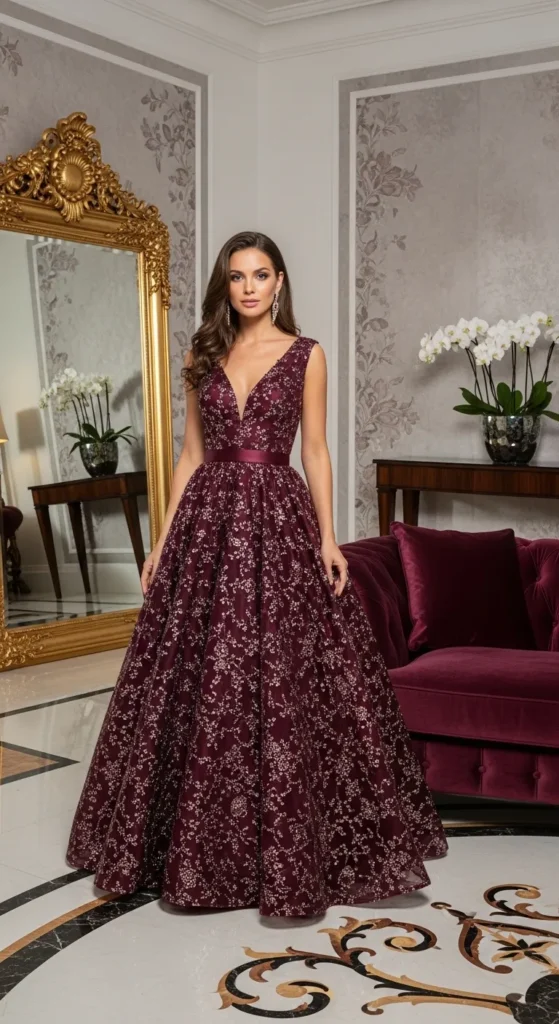
The tactile quality of fashion — the way clothes feel against the skin, the way they catch light, the way they behave in motion — has become a genuine runway obsession. Designers are layering textures with an intelligence and intentionality that goes beyond simple fabric choice and into something that feels like textile composition.
Velvet against satin. Chunky knit beside smooth leather. Sequin-embellished fabric worn over matte crepe. Bouclé beside silk charmeuse. Each texture combination creates a visual and tactile richness that single-fabric outfits simply cannot achieve — and the runway is showing the full, maximally beautiful potential of what happens when textures are combined with genuine skill and genuine intention.
The wearable version of this trend is more modest but equally beautiful — a velvet top with leather trousers. A knit sweater with a satin midi skirt. A bouclé blazer over a silk blouse. Two textures in conversation rather than five, but the principle is the same and the effect is genuinely stunning.
How to wear it: Choose two textures that have a clear relationship — one soft and one structured, one matte and one with sheen, one fine and one substantial. That contrast relationship is what creates the visual interest that makes luxury texture dressing so beautiful.
14. Unexpected Color Combinations
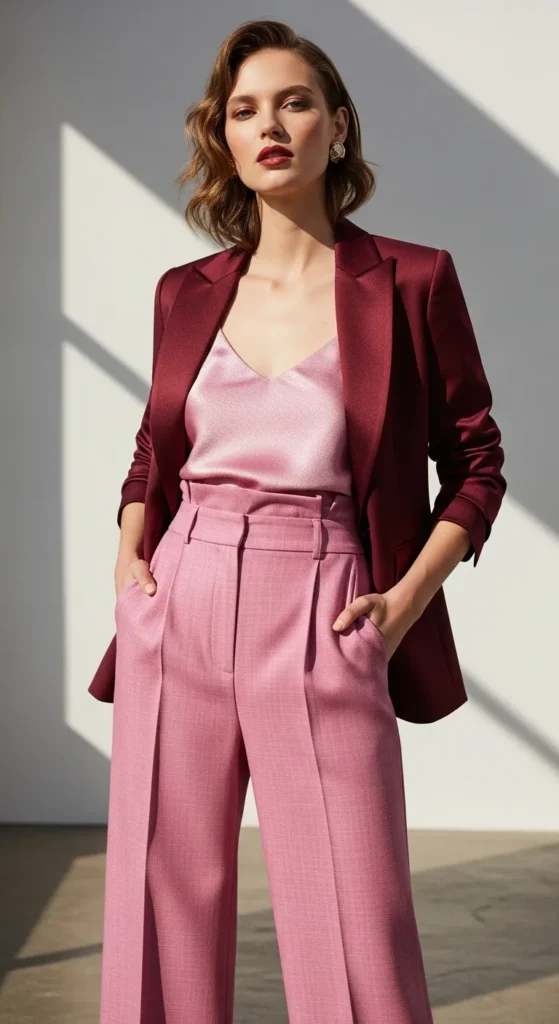
The runway has been quietly rebellious about color this season in a way that is deeply exciting to anyone who has ever felt limited by the usual rules about what colors go together. Designers are pairing colors that conventional wisdom has always kept apart — and proving that conventional wisdom was being unnecessarily cautious.
Burgundy and pink together — not as a color-clash statement but as a genuinely sophisticated tonal combination. Camel and cobalt in proportions that make each color more beautiful than it would be alone. Sage green and warm orange in a combination that should feel autumnal and instead feels completely fresh and completely current.
These unexpected color combinations require genuine color confidence — the willingness to trust what your eye tells you feels right even when your conditioning tells you it should not work. But the runway has made the case repeatedly and convincingly that the most interesting color stories in fashion are the ones nobody has told before.
How to wear it: Start with a color you already love and ask yourself — genuinely and openly, without the filter of conventional rules — what unexpected color makes this one sing. Trust the answer. Try it. The worst outcome is that you learn something. The best outcome is that you discover a color combination that is entirely your own.
15. The Return of Glamour
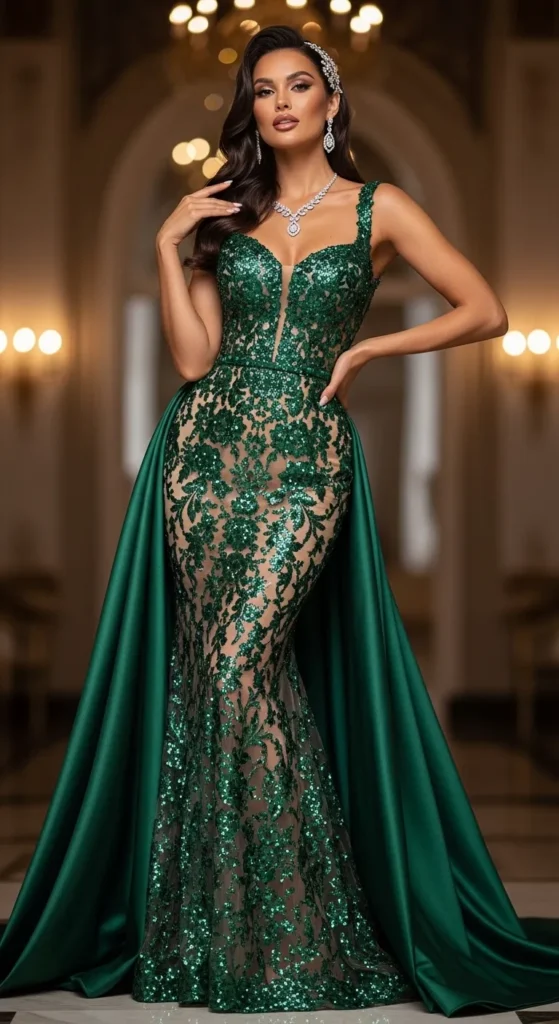
After several seasons of deliberate casualization — of luxury streetwear and elevated basics and the quiet luxury aesthetic that made restraint into a fashion philosophy — the runway has issued its counter-statement. Glamour is back. Fully, completely, unapologetically back.
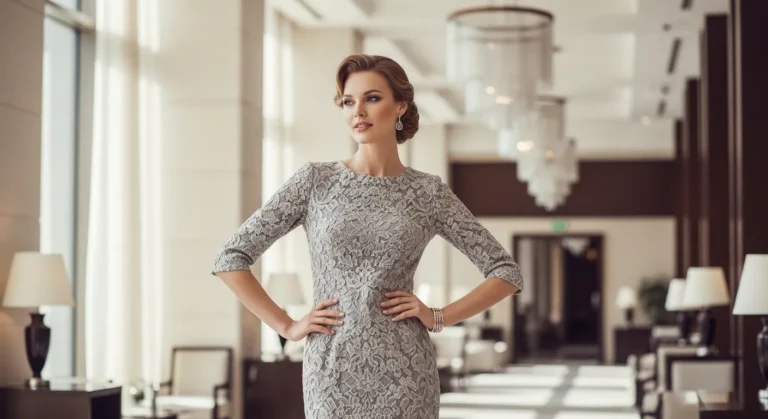
Not the dated glamour of a specific decade or the ironic glamour of fashion nostalgia — but a genuine, forward-looking glamour that believes in dressing up. That believes in sequins worn on Tuesday without apology. In floor-length gowns for occasions that used to require nothing more than smart casual. In feathers and velvet and satin and every other fabric that has always existed to make the person wearing it feel extraordinary.
The runway message is clear and it is welcome. Getting dressed should be a pleasure. Clothing should occasionally make you feel like the most spectacular version of yourself. And glamour — genuine, committed, full-hearted glamour — is not a nostalgic affectation. It is a form of joy. And fashion, at its best, has always been in the business of producing exactly that.
How to wear it: Start with the piece that makes you feel most spectacular when you wear it — whatever that is for you personally. Build an occasion around wearing it. Put it on. Go somewhere in it. Remember how it feels. Then do it again more often.
What the Runway is Really Saying
These 15 trends are not instructions. They are invitations. The runway does not tell you what to wear. It shows you what is possible — the full range of what fashion can be when imagination, craft, and genuine creative courage are applied to the act of making clothes.
What the current runway season is saying — across all 15 of these trends and the dozens of others that surround them — is that fashion right now is in an extraordinarily exciting place. It is making room for quietness and loudness simultaneously. For minimalism and maximalism. For the heritage and the radical. For the practical and the spectacular.
It is saying that there is no single correct way to dress right now. That the wardrobe that matters is the one that is genuinely, personally, and completely your own. That the best outfit you will ever wear is the one that feels most like the truest version of yourself.
The runway shows you the possibilities. What you do with them — how you translate those ideas into your own life, your own body, your own personality — is where fashion stops being something that happens on a runway in Paris and starts being something that happens in your wardrobe every single morning.
That translation — that deeply personal act of taking what exists in the world of fashion and making it your own — is the most creative, most exciting, and most genuinely rewarding thing that dressing well has always offered.
And right now — with these 15 trends available to every woman willing to explore them — it has never offered more.