10 Turn Heads Catch Vibes Style
There is a specific kind of person who walks into a room and something shifts. Nobody can immediately explain why. They are not necessarily wearing the most expensive clothes or the most on-trend pieces. They are not trying the hardest or showing the most skin. But something about the way they are dressed — the combination, the confidence, the complete ownership of their own aesthetic — makes every other person in the room take a second look.
That quality has a name. It is style. Real style. Not fashion, not trend-following, not buying whatever is currently popular and hoping it translates. Style is the version of dressing that belongs entirely to the person wearing it, and it turns heads precisely because it cannot be copied. You can copy an outfit but you cannot copy the energy that makes it land.
This article is about 10 specific approaches to dressing that carry that energy. These are not generic style tips. They are real, specific ways of building and wearing outfits that make people notice — not because the clothes are screaming for attention, but because the person inside them clearly knows exactly what they are doing.
Every idea here is grounded in what is actually working in fashion right now. Current silhouettes, relevant combinations, fabrics and proportions that feel alive in 2026. But the underlying logic behind each one goes beyond any single season, because the ability to turn heads and catch vibes is not a trend. It is a skill. And like any skill, it gets stronger the more deliberately you practice it.
1. Own One Signature Piece and Build Everything Around It
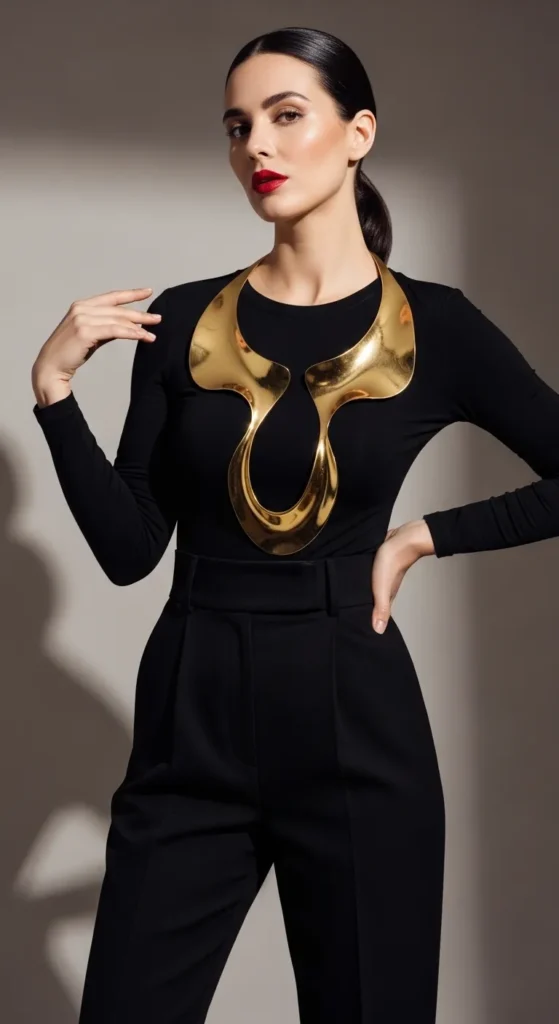
The people who consistently turn heads are almost never wearing ten interesting things at once. They have one piece — one clear focal point — and everything else in the outfit exists to support that piece rather than compete with it.
This is the single most effective shift you can make in how you approach getting dressed. Instead of assembling an outfit by putting on multiple things you like and hoping they work together, you start with one piece that has genuine personality and then ask what that piece needs around it to shine.
The signature piece can be anything. A coat in an unexpected colour. A trouser with a silhouette that nobody else is wearing yet. A shoe that belongs to a completely different world than the rest of the outfit. A bag that functions almost as a piece of art. Whatever it is, it needs to have enough identity to carry the look — and once you have identified it, everything else needs to quiet down.
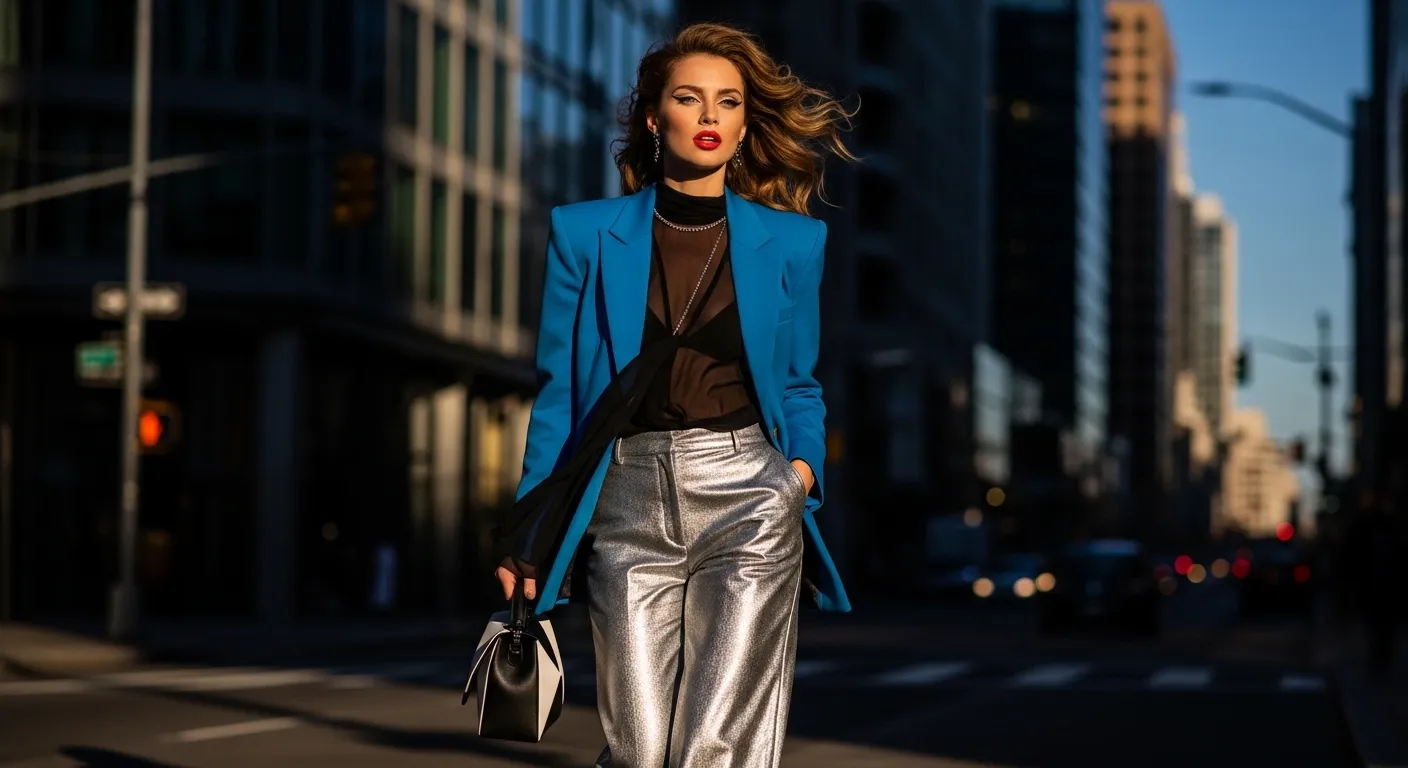
A cobalt blue sculptural coat over a plain white tee, clean black trousers, and a simple pointed leather shoe. The coat is the entire outfit. The rest exists only to give the coat a clean backdrop. That is the principle in its purest form, and it is devastatingly effective when executed with commitment.
The reason this approach turns heads is because visual clarity is immediately compelling. When an outfit has one clear statement and everything else supports it, the eye knows exactly where to go. There is no confusion, no competing elements, no noise. Just one strong idea worn with complete confidence.
Style tip: Once you have identified your signature piece, go through everything else you planned to wear and ask whether each item is adding to the focal piece or pulling attention away from it. If it is pulling attention, remove it. Simplicity in the supporting pieces is not an afterthought — it is the strategy.
2. Wear Colour Like You Have Nothing to Prove
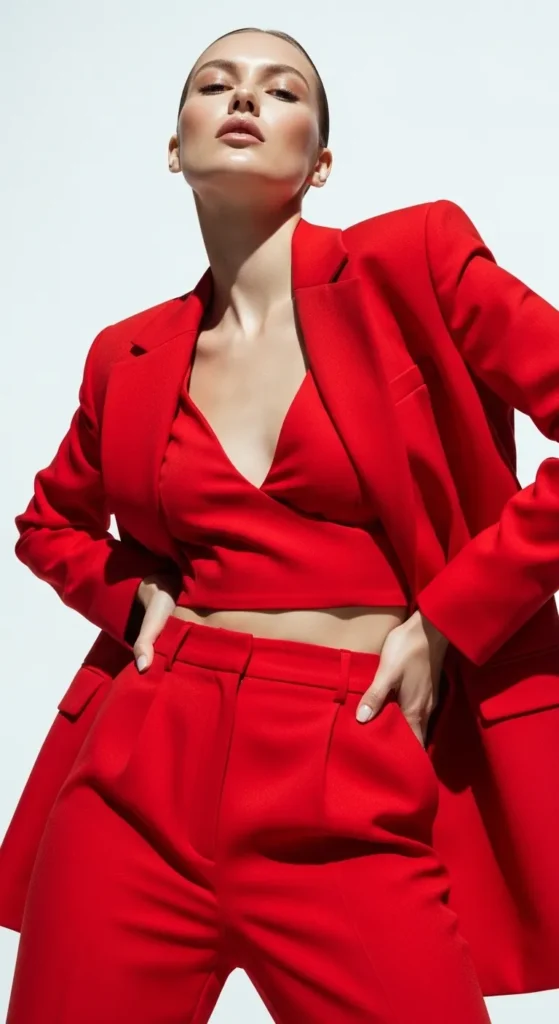
Safe colour choices are invisible. Black, white, grey, navy — these are the colours of blending in, and blending in is the opposite of turning heads. The people who catch vibes with colour are not the ones wearing the most colours at once. They are the ones wearing colour with complete conviction, as if the idea that it might be too much never even occurred to them.
Bold colour dressing in 2026 has a specific character. The most striking looks are built on combinations that create genuine tension — two colours that should not work and somehow work completely. Lilac and cherry red. Cobalt and burnt orange. Forest green and warm yellow. Deep burgundy and electric blue. These pairings look like mistakes until they look like genius, and the tipping point between those two readings is entirely the confidence of the person wearing them.
Full monochromatic dressing in a strong tone is an equally powerful approach. Head-to-toe emerald green. Complete cobalt blue from shoe to coat. One strong colour worn across every piece of the outfit simultaneously. This requires courage the first time and becomes one of the most satisfying ways to get dressed after that — because every decision is already made and the result, when the colour is right, is genuinely extraordinary.
What makes colour the ultimate head-turning tool is that it communicates mood and personality before anyone has spoken a word. The person who walks in wearing a full deep red outfit has already said something about themselves. The person in head-to-toe cobalt has already made a statement. What they are saying is simply: I know exactly who I am and I am not apologising for it.
Style tip: When wearing bold colour combinations, keep the silhouettes clean and simple. The colours are doing the communication work. Complicated shapes or excessive layering on top of strong colour creates visual noise that weakens the impact of both elements.
3. The Contrast Outfit
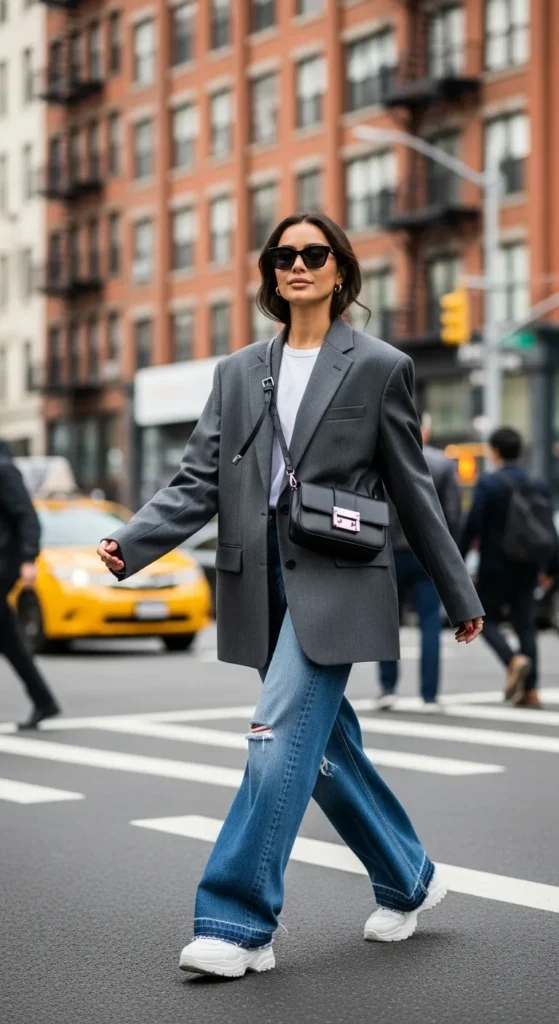
One of the most consistently effective head-turning techniques in dressing is deliberate contrast — not just in colour but in the relationship between the different elements of an outfit. Formal paired with casual. Structured with fluid. Hard with soft. Expected with completely unexpected.
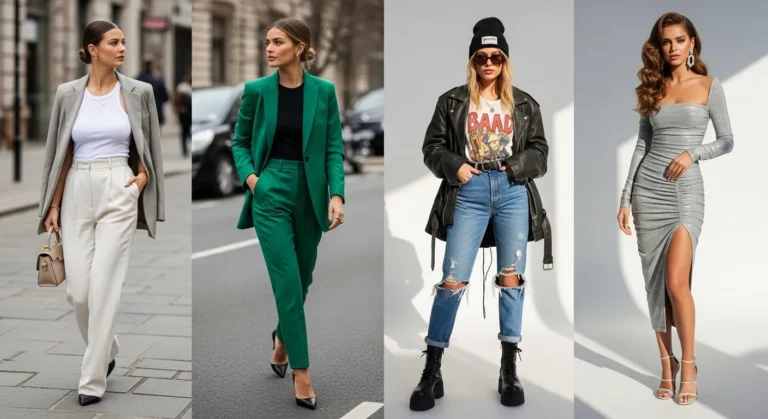
A perfectly tailored blazer over a vintage band tee and straight-leg jeans. A ballgown skirt with a clean white cotton shirt tucked into it. A sheer, delicate blouse over leather trousers and a chunky boot. These combinations work because the contrast between the elements creates a conversation within the outfit itself — each piece is commenting on the other and the tension between them is what makes the whole thing interesting.
The contrast outfit turns heads because it signals genuine style intelligence. Anyone can wear a blazer with smart trousers. Anyone can wear a band tee with jeans. But the person who combines those two worlds in a way that makes both pieces look better together than they would separately — that person clearly has a real understanding of how clothes work.
The key to making contrast dressing land correctly is commitment to both sides of the contrast. If the formal element is half-hearted, the casual element takes over and the outfit just looks messy. If the casual element is too safe, the formal element looks stuffy. Both elements need to be fully present and the tension between them needs to be real.
Style tip: In a contrast outfit, the shoe is almost always the deciding factor in which direction the outfit tips. A casual shoe tips the outfit toward relaxed. A sharp, structured shoe tips it toward polished. Choose the direction deliberately rather than leaving it to chance.
Explore bold fashion inspiration in 13 Wild and Free Fashion Ideas.
4. Master the Art of the Unexpected Detail
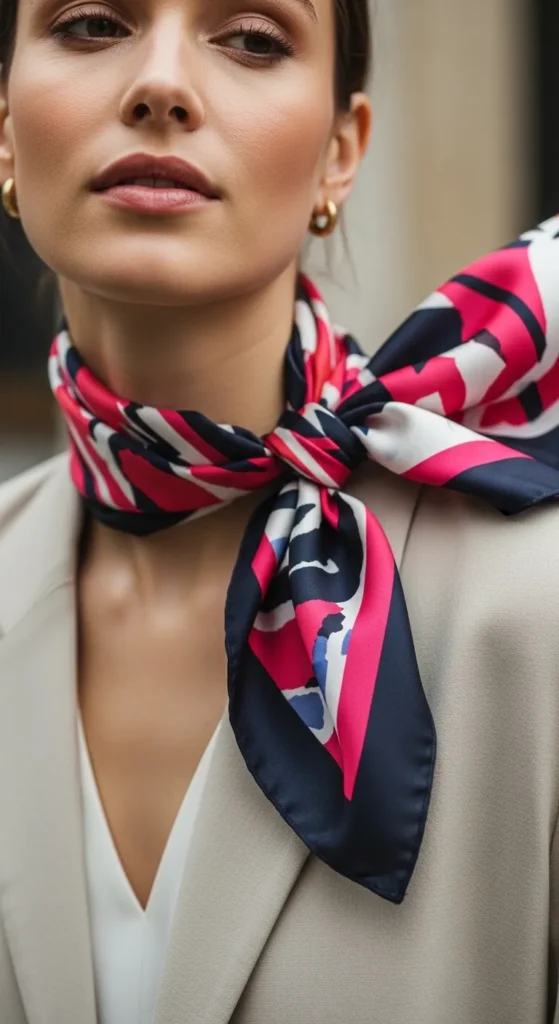
Head-turning outfits often have one detail that does not quite follow the logic of everything else — and that detail is exactly what makes the outfit memorable. An otherwise classic and contained look with one element that breaks the pattern. A scarf tied in an unusual way. A belt placed where nobody expected it. A sock showing above a shoe in a colour that picks up something subtle in the outfit. A pin or brooch placed deliberately on an unexpected part of a jacket.
These details are small but they communicate something important: the person wearing this outfit was paying attention. They did not just assemble pieces — they thought about the final result and then added one thing that takes it slightly beyond where convention would have stopped.
The unexpected detail is also the element that makes an outfit impossible to fully replicate. Someone can buy the same coat, the same trouser, the same shoe. But the specific way the scarf is tied, the particular placement of the belt, the exact colour of the showing sock — these micro-decisions are so personal that they belong entirely to the person who made them.
Scarves in particular are having a significant moment right now, appearing across major collections as tops, belts, headbands, and bag details. The creative use of a simple scarf is one of the most accessible and most effective ways to add an unexpected detail to an outfit without requiring any additional investment.
Style tip: The unexpected detail works best when it is singular. One surprising element in an otherwise coherent outfit creates intrigue. Multiple surprising elements create confusion. Find the one detail that adds the most personality and let it be the only one.
5. Dress for the Person You Are, Not the Occasion You Are Attending
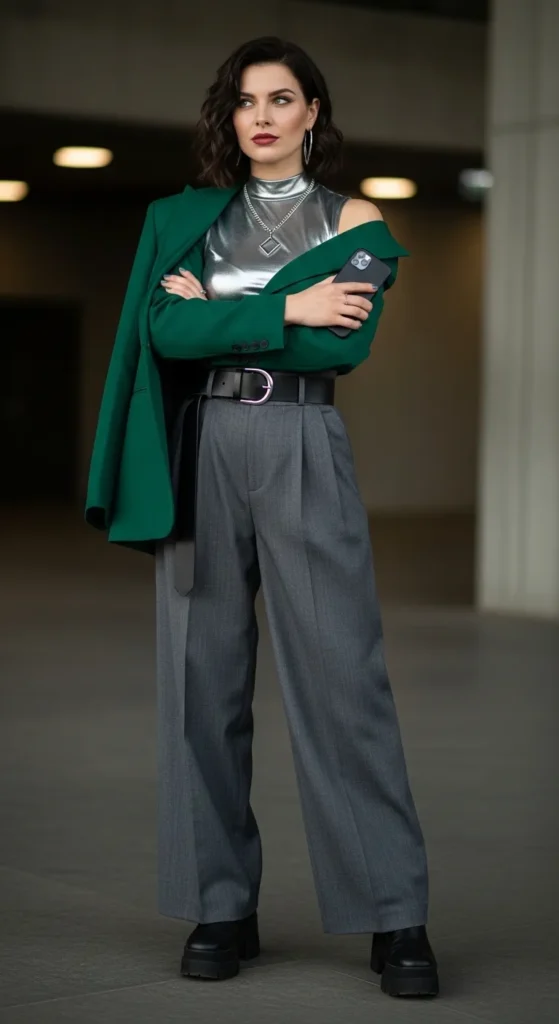
Most people dress for the occasion. They think about where they are going, what is appropriate, what other people will probably be wearing, and they dress accordingly. The result is almost always a perfectly acceptable outfit that nobody notices.
The people who turn heads dress for themselves first. They consider the occasion but they do not let it override their own aesthetic identity. They walk into a casual event wearing something more considered than necessary and carry it with enough ease that it looks natural rather than overdressed. They walk into a formal event wearing something with a personal edge that most people would have been afraid to bring into that context.
This approach requires knowing your own aesthetic well enough that getting dressed for yourself feels natural rather than self-conscious. It requires the confidence to wear your actual personality into spaces where a more neutral choice would have been easier and safer.
The vibes that people catch from dressing this way are impossible to manufacture through outfit formulas alone. They come from the alignment between who you are and what you are wearing — and when that alignment is real, it is visible from across a room.
Style tip: Before getting dressed for any occasion, ask yourself what you would wear if you were only dressing for yourself today. Start there and then make only the minimum adjustments necessary for the context. Keep as much of the personal choice as possible.
6. Proportion Play
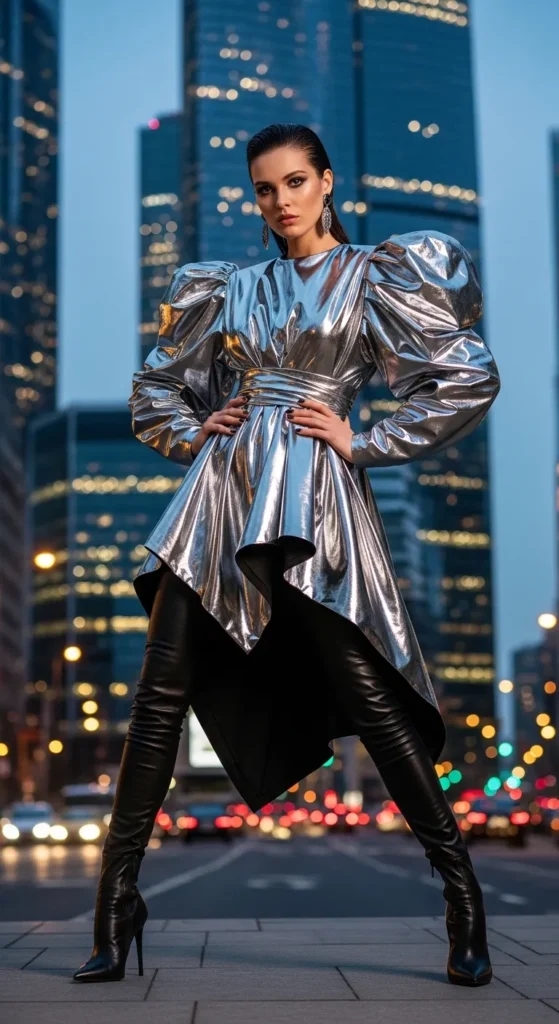
The most fashion-forward outfits of the current season — across every major runway and every genuinely stylish person on the street — share one quality that is rarely discussed in basic style advice: deliberate, considered proportion play.
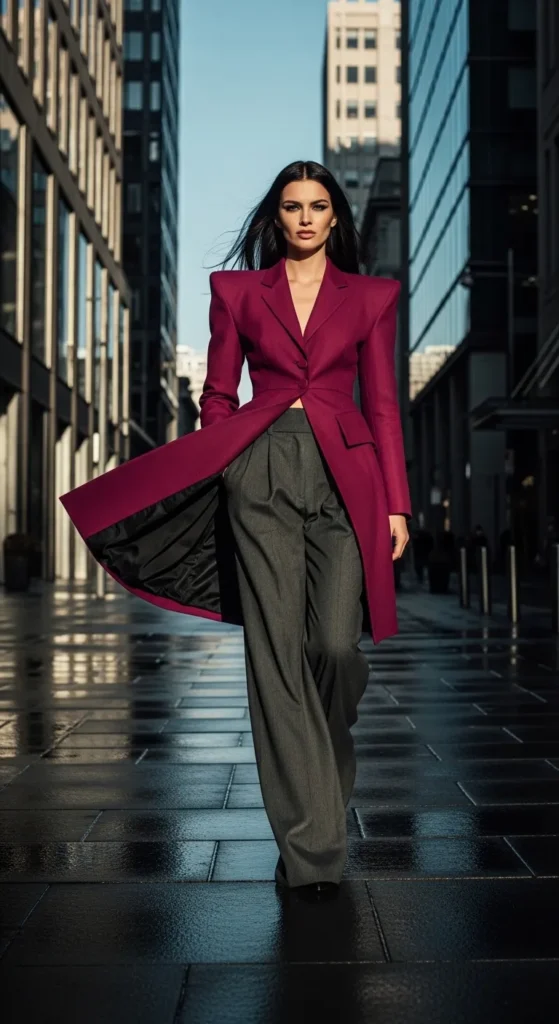
Proportion play means thinking about the relationship between the different volumes in an outfit. A very oversized top with a very slim or fitted bottom. An extremely wide trouser with a very cropped, close-fitting top. A long, floor-grazing coat over a very short skirt. The contrast between the volumes is what gives the outfit its visual interest and its energy.
This is different from simply wearing oversized or simply wearing fitted. It is about the relationship between the two. The oversized piece only works as a proportion choice when it is deliberately placed against something that creates contrast. Without the contrast, it is just a big piece of clothing.
Current runway silhouettes are leaning heavily into this logic. Exaggerated wide-leg trousers paired with neat, fitted tops. Voluminous outerwear over slim, clean underlayers. Cropped jackets over full, wide-leg trousers. Every major collection this season is working with proportion as a primary design tool, and the outfits that are landing most strongly are the ones where the proportion relationships are most clearly considered.
Style tip: When playing with proportion, anchor the look with one fitted or structured element — even if it is small. A belt, a sharp shoe, a close-fitting collar. Without at least one anchor, proportion play can tip from fashion-forward into simply looking like clothes that do not fit.
7. Fabric First
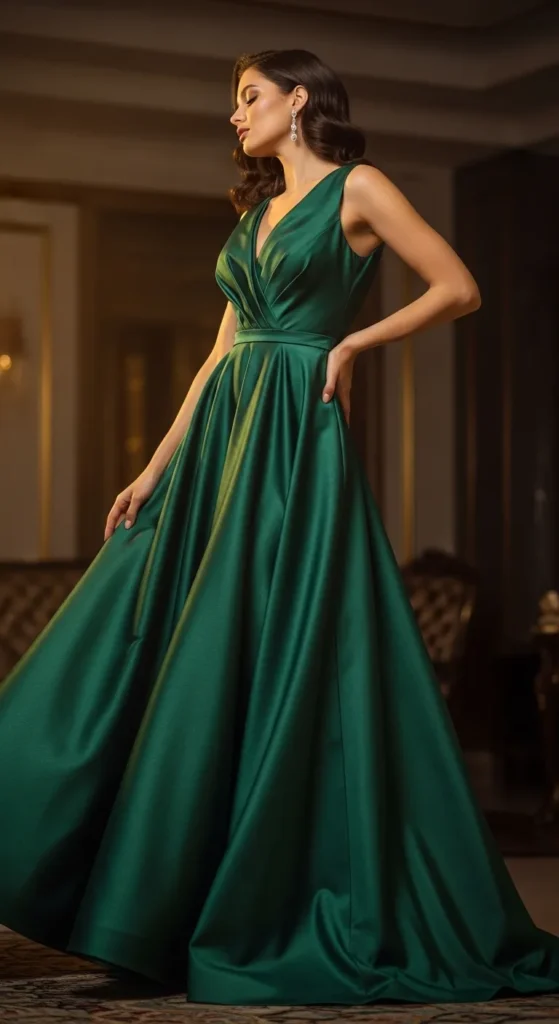
Most people think about colour and silhouette when they are building an outfit. Very few people think about fabric first — and fabric is often where the real difference between a forgettable outfit and a genuinely striking one lives.
Fabric communicates quality, intention, and sensory information that colour and silhouette alone cannot. The way satin catches light in a room. The weight of a properly structured wool coat as it moves. The softness and drape of a real silk blouse versus a synthetic one. These qualities are immediately felt by anyone who sees the outfit, even if they could not articulate exactly what they are responding to.
Choosing pieces with interesting, high-quality, or unusual fabric as the starting point for an outfit — rather than as an afterthought — changes the entire quality of how the outfit reads. A simple combination of a silk blouse and well-cut trousers in a quality fabric will always carry more presence than a more complicated outfit built from mediocre materials.
Texture clashing is a related and powerful technique. Leather with lace. Velvet with denim. Sheer silk over a chunky knit. When fabrics with completely different tactile qualities are placed deliberately next to each other, the outfit becomes interesting not just visually but in a more physical, immediate way that people respond to instinctively.
Style tip: When budget is limited, prioritise fabric quality in the pieces that are closest to your face and in any outerwear. These are the pieces people notice first and the ones where fabric quality is most immediately visible.
8. The Complete Shoe Decision
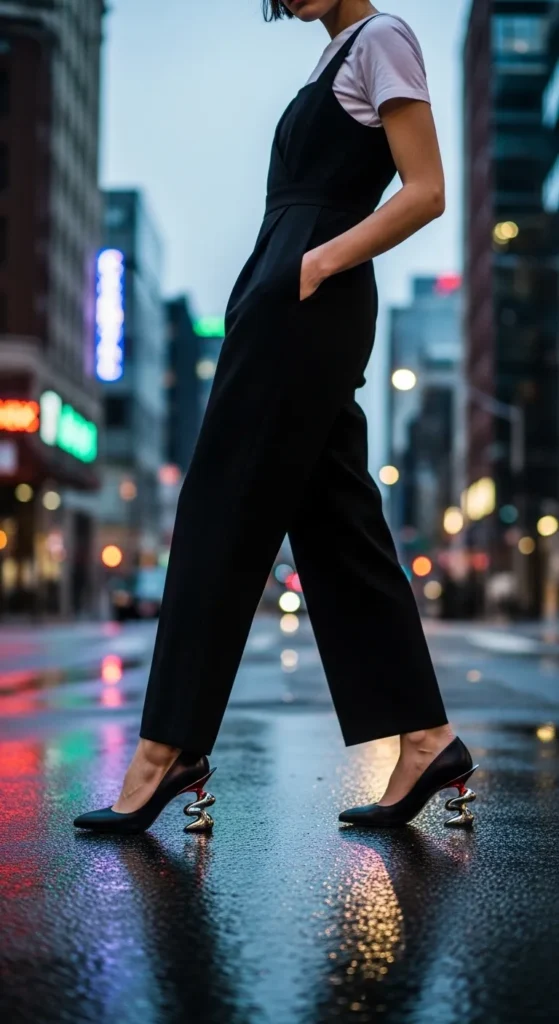
No single element of an outfit changes its meaning more dramatically than the shoe — and most people make shoe choices as an afterthought rather than as a central styling decision. The shoe is not the last thing you add to an outfit. It is one of the first things you should decide, because it determines the entire register and direction of everything above it.
A clean, sharp pointed leather loafer or court shoe lifts virtually any outfit into something more considered and more polished. A chunky lug-sole boot brings weight, attitude, and an urban edge to combinations that would otherwise read as straightforward. A simple leather sandal brings ease and confidence to everything from a silk dress to straight-leg jeans. A bold, unexpected colour shoe placed at the bottom of an otherwise neutral outfit communicates style intelligence clearly and immediately.
The people who consistently catch vibes with their outfits are almost universally people who take their shoe decisions seriously. Not necessarily expensive shoes — just the right shoe, chosen deliberately for what it brings to the specific combination it is completing.
Style tip: When you have finished building an outfit, swap the shoe you planned to wear for the most unexpected alternative in your wardrobe that could plausibly work. Try it. The surprising shoe choice is often the one that elevates the outfit from good to genuinely memorable.
Discover trending styles in 10 Fashion Turn Ons Trending Now 2026.
9. Wear Your Confidence Louder Than Your Clothes
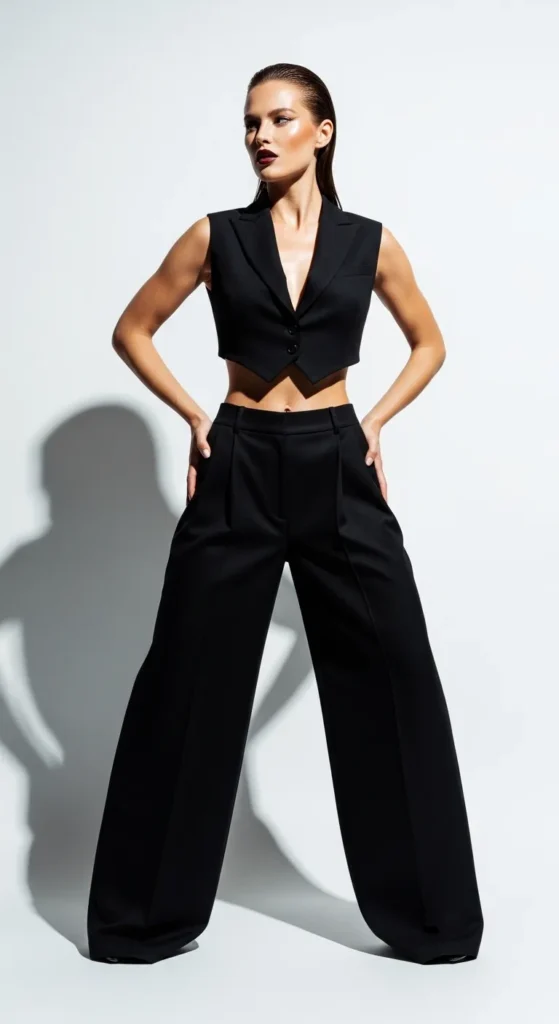
This is not a styling tip in the conventional sense. It is the most honest observation about what actually makes people turn heads when they walk into a room.
Clothes are a vehicle. Confidence is the engine. The same outfit worn by two different people — one of whom is completely at ease in what they are wearing, one of whom is slightly uncomfortable or uncertain — will produce completely different responses from everyone who sees it. The person who owns their outfit, who clearly chose it rather than settled for it, who moves through the room as though they are exactly where they expected to be — that person turns heads regardless of what the specific outfit contains.
This means that the most important thing you can do for your style is wear things you actually love rather than things you think you should love. Wear the outfit you feel most like yourself in, not the outfit you assembled because it ticked the most trend boxes. The gap between what you love and what you think you should love is exactly where forgettable style lives.
Wild, free, head-turning, vibe-catching style lives on the other side of that gap — in the outfits that feel completely and authentically yours.
Style tip: Before leaving the house, do a single honest check: does this outfit feel like me today, or does it feel like a version of me I think I am supposed to be? If the answer is the latter, change one thing. Usually one change is enough to shift the whole energy.
10. Repeat Your Best Outfits Without Shame
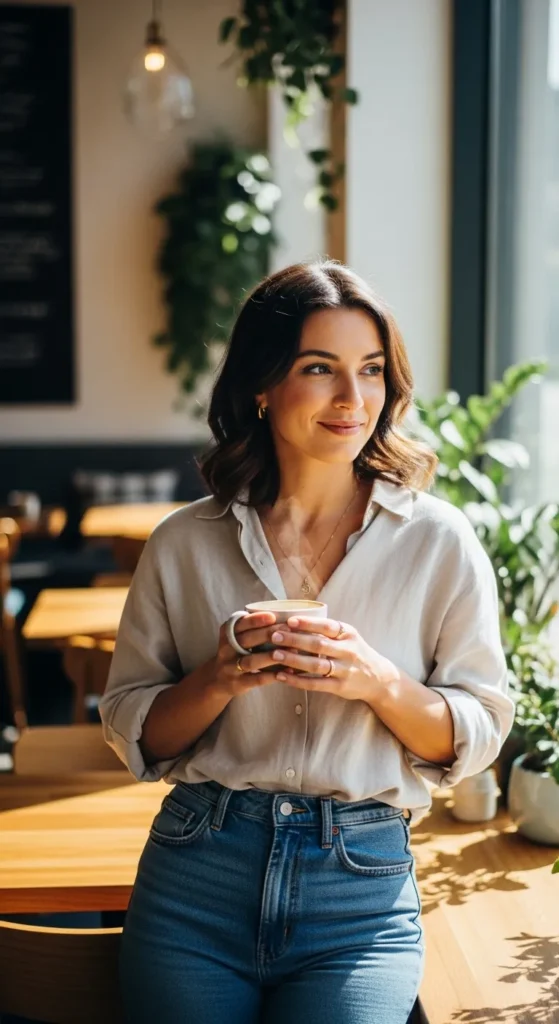
The fashion industry has a complicated relationship with outfit repeating. Social media has made people feel like they should never be seen in the same combination twice. The result is a lot of people wearing a lot of outfits that are not their best — because they have already worn their best and are afraid to wear it again.
The most stylish people in the world repeat their best outfits constantly. They have found combinations that work — that make them feel genuinely good, that turn heads reliably, that carry their personality with complete accuracy — and they wear those combinations again and again without any self-consciousness whatsoever.
Repeating your best outfit is not a failure of imagination. It is the opposite. It is the recognition that you have found something that genuinely works and the confidence to keep wearing it rather than chasing something new for the sake of novelty.
The vibes that people catch from a person who wears their best outfit with complete comfort and zero apology are the strongest vibes in fashion. It communicates that this person dresses for themselves, not for the approval of anyone watching. And that quality — true, unhurried self-possession in how you dress — is the most compelling style statement there is.
Style tip: Identify the three outfits in your current wardrobe that make you feel most like yourself. Write them down if it helps. Those are your anchors. Build new outfits around the same logic as those three — the same proportion relationships, the same colour approach, the same level of detail. That is your style identity, and protecting it is more valuable than chasing anything new.